Every homeowner should have an understanding how quickly mold can grow from water damage. Water intrusion, whether from a leaking pipe, flooding, or another source, can lead to the rapid growth of mold if not addressed promptly.
Mold thrives in moist environments and can begin to develop within 24 to 48 hours of exposure to water. This fungal growth not only causes unsightly discoloration and musty odors but can also pose serious health risks, particularly for those with respiratory issues or compromised immune systems.
Within this article, you will grasp the high-speed process behind mold growth after water damage and arm yourself with a plan of action for tackling mold before it turns into a disastrous problem.
Handling these situations with speed and precision can save your home and preserve your well-being, so knowledge about mold growth becomes an indisputable necessity.
How Quickly Mold Can Grow from Water Damage & Its Signs
When water damage strikes, one of the most pressing concerns is how quickly mold can grow from the excess moisture. Mold growth can occur surprisingly fast, often within just a few days, posing a significant threat to your property and health.
Understanding mold and its growth cycle can help you identify and deal with mold issues more effectively. Mold is a type of fungus that thrives in damp environments and can grow on a variety of surfaces, from walls and ceilings to carpets and furniture.
Defining mold and its different types
Mold is a naturally occurring organism that plays a crucial role in the environment by breaking down dead organic matter. However, when it grows indoors, it can lead to property damage and health issues.
There are thousands of types of mold, each with its own growth rate and health risk. The most common indoor molds include Cladosporium, Penicillium, Aspergillus, and Stachybotrys, also known as “black mold.”
Check this out: Who To Call For Black Mold Inspection
Explaining the life cycle of mold
The life cycle of mold begins with the release of microscopic spores into the air. When these spores land on a damp surface, they begin to grow and multiply. Once the mold colony reaches a certain size, it produces new spores and releases them into the environment. This cycle continues until the conditions for mold growth are eliminated.
The Role of Moisture in Mold Growth
Moisture is the primary catalyst for mold growth. Without moisture, mold spores remain dormant and unable to germinate. Any source of water or dampness in your home, such as water damage from burst pipes, flooding, or leaks, can provide the ideal environment for mold to thrive. Mold can start growing within 24 to 48 hours after materials become wet, making prompt action crucial to prevent its spread.
The Connection Between Water Damage and Mold Growth
Water damage is one of the most common causes of mold growth in homes and buildings. The connection between water damage and mold growth lies in the moisture that water damage introduces into your environment.
How water damage encourages mold growth
 Water damage can occur due to a variety of circumstances, from flooding and heavy rainfall to leaking pipes and roof damage. This excess water creates a moist environment, which is ideal for mold growth. Mold can begin growing within 24 to 48 hours after the material becomes wet.
The role of moisture in mold proliferation
Without moisture, mold cannot grow. Mold spores need moisture to germinate and form colonies. Therefore, any source of water or dampness in your home can serve as a potential breeding ground for mold.
The link between water damage types and mold
The type of water involved in the damage can also influence mold growth. Clean water damage poses less risk of mold growth than gray or black water damage. Gray water may contain chemicals or detergents, while black water typically contains sewage or other contaminants, both of which can contribute to rapid and hazardous mold growth.
Factors Influencing Speed of Mold Growth
Various factors can influence the speed of mold growth, including temperature, nutrients, and light.
Mold grows best in warm conditions, typically between 70 and 90 degrees Fahrenheit. However, some types of mold can also grow in cooler or hotter temperatures.
Mold needs organic material to feed on. Building materials such as wood and drywall, as well as many types of furniture and textiles, provide plenty of nutrients for mold to thrive.
Mold prefers dark, poorly ventilated spaces. Good air circulation can help prevent mold growth by helping to keep surfaces dry. You can detect mold in your home after water damage for you to act immediately and stop mold spores from spreading.
- Temperature: Mold grows best in warm conditions, typically between 70 and 90 degrees Fahrenheit. However, some types of mold can also grow in cooler or hotter temperatures.
- Nutrients: Mold needs organic materials to feed on, such as wood, drywall, furniture, and textiles, which are common building materials found in homes.
- Light and Air Circulation: Mold prefers dark, poorly ventilated spaces with stagnant air. Good air circulation can help prevent mold growth by keeping surfaces dry.
- Type of Water Damage: The type of water involved in the damage can also impact the speed of mold growth. Gray or black water, containing contaminants or sewage, can accelerate mold growth compared to clean water damage.
How Fast Does Mold Grow After Water Damage?
The timeline of mold growth after water damage can be alarmingly fast.
- Initial Spore Settlement (Immediately): As soon as water damage occurs, mold spores present in the air begin to settle onto the damp surfaces.
- Rapid Growth Stage (24-48 Hours): Within just one to two days, visible mold colonies can start to form on the affected areas as the spores germinate and spread rapidly.
- Mold Maturation and Spore Release (1-2 Weeks): As the mold colony matures, usually within one to two weeks, it begins to produce and release new spores, which can spread to other areas and exacerbate the mold problem if not addressed promptly.
Signs of Mold Growth after Water Damage
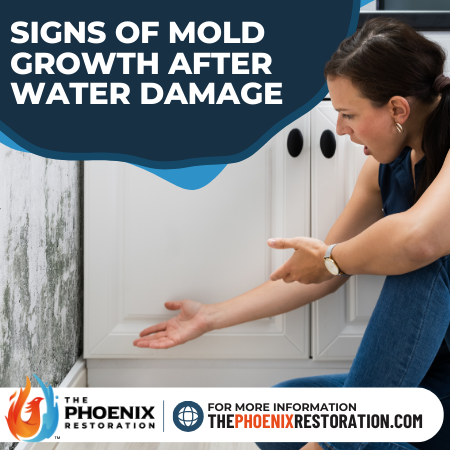 Recognizing the signs of mold growth can help you address the problem before it gets out of hand.
Physical signs of mold growth
The most visible sign of mold growth is discoloration on surfaces, usually in shades of black, green, or white. Apart from visual clues, a musty or earthy smell can also signify the presence of mold.
Health symptoms indicating mold exposure
Exposure to mold can cause a variety of health symptoms, including allergic reactions such as sneezing, runny nose, red eyes, and skin rash.
Mold identification and testing methods
If you suspect mold growth, it can be helpful to bring in professionals to test for mold. They can take air and surface samples and send them to a lab for confirmation.
Health Risks Associated with Mold Exposure
Mold exposure can be detrimental to health, especially for people with allergies or respiratory conditions.
Short-term health effects of mold exposure
Short-term health effects of mold exposure can range from allergic reactions to respiratory issues like wheezing, coughing, and chest tightness.
Long-term health risks associated with mold
Long-term exposure can lead to serious health issues, including chronic respiratory conditions and neurological problems. Black mold, in particular, produces mycotoxins that can even cause lung and brain damage.
At-risk populations for mold-induced health issues
For people with allergies, respiratory conditions, or a weakened immune system, the risks are even greater. Young children and the elderly are also at higher risk.
How to Prevent Mold to Grow after Water Damage
Prompt action can help prevent mold growth after water damage. Taking good care of visible mold growth immediately means you can prevent further damage. The faster you remove wet items, dry out the affected area, and reduce overall humidity, the less chance mold has to grow and spread rapidly.
Proper drying techniques to prevent mold growth
In addition to drying visible water, it’s essential to use dehumidifiers and other methods to reduce the overall moisture levels in the space, as too much humidity can promote mold growth.
Using mold inhibitors and anti-microbial treatments
Using mold inhibitors and anti-microbial treatments can help prevent mold growth. These products can be applied to surfaces during the cleanup process.
Professional Mold Remediation Process
In cases of extensive mold growth, it can be necessary to call in professionals. One of the best way in preventing mold growth
Steps in professional mold remediation
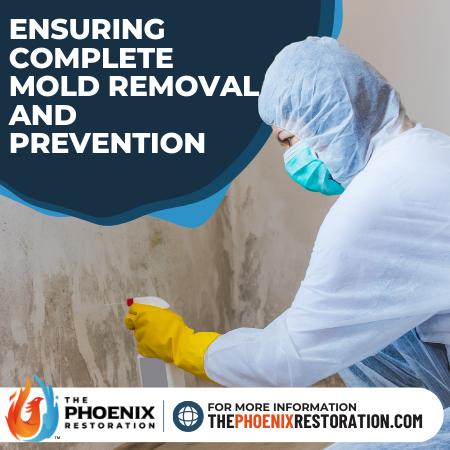
The professional mold remediation process starts with an inspection, followed by containment and mold removal. Air filtration, cleaning of belongings, and restoration of the property are the final steps.
Importance of hiring certified mold remediation professionals
Certified mold remediation professionals have undergone training to identify and safely remove mold. They also have the necessary equipment to eradicate mold thoroughly and prevent its return.
Ensuring complete mold removal and prevention
Ensuring complete mold removal and prevention requires the full remediation process, which includes not only cleaning the visible mold but also addressing the underlying causes and remedying any property damage.
How to Deal with Insurance After Water Damage and Mold
Insurance can be a crucial factor in dealing with water-damaged properties and subsequent mold growth.
Understanding Your Policy
Review your homeowner’s insurance policy carefully to understand what is covered regarding water damage and mold remediation. Coverage often depends on the cause of the water damage.
Filing a Claim
If your policy covers mold damage, document the issue thoroughly with photographs and other evidence, and notify your insurance company promptly to begin the claims process.
Filing a claim typically involves documenting the damage, notifying the insurance company, and working with an adjuster to assess the damage and costs of repair.
Working with a Public Adjuster for mold claims
Consider hiring a public adjuster to represent your interests and ensure you receive a fair settlement from the insurance company. Public adjusters can help accurately assess the damage, negotiate claims, and navigate the claims process.
Long-term Measures to Prevent Water Damage and Mold
Preventing water damage and mold over the long term involves various measures, including maintaining suitable humidity levels and regular property inspections. These long-term measures prevents mold spread and its growth.
Maintain Appropriate Humidity Levels: Keep indoor humidity levels between 30-50% by using dehumidifiers and proper ventilation to discourage mold growth.
Regular Property Inspections: Conduct regular inspections of your home to identify and address potential sources of moisture, such as leaks or dampness, before they lead to water damage and mold issues.
Home Improvements: Consider home improvements like upgrading plumbing, maintaining roofs, and improving ventilation systems to reduce the risk of water damage and excess moisture that can lead to mold growth.
In conclusion, while mold growth following water damage can be an issue, understanding the process can better equip you to prevent and deal with it.
In cases of extensive mold growth, it’s advisable to seek the help of certified professionals to ensure complete remediation and prevention of future occurrences. Remember, swiftly addressing water damage and implementing long-term preventive measures are key to maintaining a mold-free, safe, healthy living environment.
Understanding how quickly mold can grow from water damage is crucial for protecting your property and health.