Detecting mold in your home after water damage is crucial in safeguarding your property and your family’s well-being. Water damage can create an ideal breeding ground for mold growth, posing serious health risks and potential structural harm if left unaddressed.
From recognizing the first signs of mold to understanding its likely hiding places and determining the need for professional intervention, this article has got you covered. It’s an essential step by step guide aimed at arming you with vital knowledge to maintain your home’s integrity and your family’s health after water damage.
Understanding the Connection between Water Damage and Mold
 Water damage and mold infestations often go hand-in-hand. This is because mold spores, which naturally occur in the air, find a damp environment the perfect place to settle and grow.
When you have Water damage in your home, whether it’s from a leaky roof, a broken pipe, or a flood, it can create the ideal conditions for mold to thrive.
Scientifically, mold is a type of fungus that grows in filaments and reproduces by forming small spores that can become airborne.
When these spores land in a wet or damp spot, they begin to grow and digest whatever they’re growing on in order to survive. This can be anything from your walls and ceilings, to carpets and furniture.
Why Mold Loves Moist Environments
Moist environments are favored by molds because they need water to grow. “Indoor mold growth often initiates when mold spores settle on damp surfaces.
Various types of mold exist, yet none can thrive without the presence of water or moisture. This is the reason why mold grows in your home, according to the United States Environmental Protection Agency.
Mold spores are dormant until they have the necessary conditions to grow – namely, moisture and a nutrient source like wood, drywall, or fabric. Once these conditions are met, mold can grow at a remarkably fast pace.
Water damage can occur in many ways, and it’s not always visible or obvious. For example, a small roof leak or a faulty pipe can create the dampness necessary for mold growth without you ever noticing. This is one reason why it’s essential to regularly check your home for signs of water damage to prevent potential mold infestation.

Detecting Mold in Your Home After Water Damage – Signs You Need To Check
Spotting mold in your home isn’t always easy, and you have to know what to look for. Sometimes mold testing is advisable for molds that lurk in less apparent places, such as behind drywall, under carpets, or inside walls. There is a tool to do this for DIYers, but a professional mold inspector knows best. And you want the best too, am I correct?
Visible Signs of Mold
Visible signs of mold range from discoloration on surfaces (often appearing black, white, or various shades of green and blue), to black streaks or spots on walls. Mold can also appear as clusters of small black dots.
Hidden Signs of Mold
Sometimes, mold is more insidious and hides in places that aren’t visible. In these cases, mold may be lurking behind drywall, under carpets, or inside of walls. Some signs of hidden mold can include peeling wallpaper, warped walls or floors, or areas of your home that are frequently damp.
Can Mold Be Detected by Smell Alone?
Absolutely! Even if mold isn’t visible, a strong musty odor can be a clear sign that you have a mold problem. If parts of your home smell musty or damp, even after being cleaned, mold is likely present.
Common Areas Where Mold Thrives After Water Damage
 While mold can potentially grow anywhere in your home after water damage, certain areas are particularly susceptible. Sometimes you neglect some areas without even checking them, right? But here is the list of common areas you can double-check.
Bathrooms and Kitchens
These areas are particularly susceptible due to their frequent contact with water. Watch for mold in corners of showers and bathtubs, under sinks, and behind appliances.
Basements
Because basements are underground and sometimes lack good ventilation, mold can easily take hold. They’re also often darker and more humid than other parts of the house, making them ideal environments for mold spores.
Crawl Spaces
Crawl spaces, like basements, are also prone to mold growth due to their location and lack of ventilation.
Attics
Attics can easily develop mold issues due to roof leaks or inadequate ventilation. Even a tiny leak can let water seep in and create the moist conditions that mold loves.
Methods for Detecting Mold in Your Home
Detecting mold in your home can be achieved through various methods, from traditional physical inspections to more advanced technological measures.
Traditional Mold Inspection
This involves physically inspecting your home with a flashlight to check for visible signs of mold on surfaces and hidden spaces.
Use of Moisture Meters
Moisture meters can be used to detect the level of moisture in various materials in your home. This can help identify potential mold growth areas where water intrusion or moisture build-up has occurred.
Infrared Imaging for Mold Detection
Infrared imaging can reveal temperature differences in your walls, which can indicate areas of moisture that aren’t visible to the naked eye. This can help identify hidden mold problems.
Professional Mold Inspection
Hiring a professional for mold inspection is a reliable way to identify and deal with mold issues. While DIY mold inspections are possible for small, visible areas, it’s often advisable to hire a professional mold inspector for a thorough assessment, especially after significant water damage.
Professional mold inspectors utilize advanced equipment and techniques to detect mold growth accurately, including air sampling to identify airborne mold spores.
What to Expect from a Professional Mold Inspection
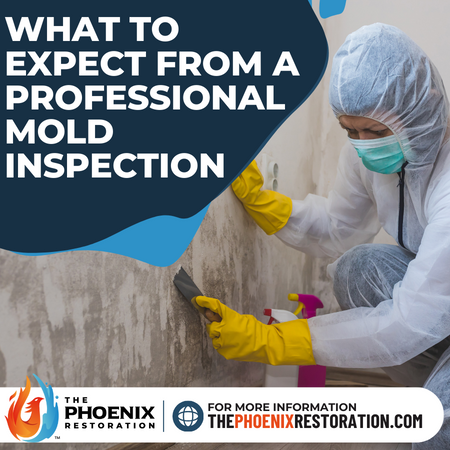 During a professional mold inspection, trained technicians will thoroughly assess your property using advanced equipment. They’ll check for visible signs of mold, find potential hidden mold, and take air samples to detect airborne mold spores.
Health and Safety during Professional Mold Inspection
Professional mold inspectors take significant precautions to ensure their safety and the safety of the occupants during the inspection. They wear personal protective equipment like masks, gloves, and goggles to prevent exposure to harmful mold.
Making Sense of a Professional Mold Inspection Report
After the inspection, you’ll receive a detailed report highlighting areas of concern, the types of mold present, the severity of the mold problem, and recommendations for remediation.
This report is crucial in determining the appropriate course of action and ensuring that the mold issue is addressed effectively, preventing further damage and safeguarding your indoor air quality.
DIY Mold Inspection
A do-it-yourself mold inspection can be an option for small areas where a potential mold problem is visible.
Necessary Tools for DIY Mold Inspection
A moisture meter, a flashlight, protective clothing, goggles, and a mask are essential for a DIY inspection for mold.
Safety Precautions for DIY Mold Inspection
Always ensure you protect yourself by wearing gloves, a mask, and goggles to prevent exposure to harmful mold.
Proper Procedure for DIY Mold Identification
Follow a routine examination procedure, starting from visible areas before moving to hidden spots. Remember to check corners, behind appliances, and under carpets.
The Health Hazards You Face by Neglecting Mold
Mold exposure can lead to significant health issues if left untreated. It is specifically dangerous to children and people with compromised immune systems.
Respiratory Issues Linked to Mold Exposure
From causing nasal stuffiness and throat irritation, to serious lung infections, mold exposure can severely impact your respiratory health.
Allergies Associated with Mold
Mold exposure can trigger allergic reactions, including sneezing, redness of the eyes, skin rash, and even severe asthma attacks.
Long Term Health Risks of Mold Exposure
Long-term exposure to certain types of toxic mold can lead to serious health issues such as memory loss, confusion, and in some severe cases, life-threatening conditions.
Effective Remedies for Mold Infestation after Water Damage
There are several effective strategies to deal with mold infestation after water damage. These remedies help you achieve a healthy living environment for you and your family.
If mold growth is detected in your home after water damage, prompt action is crucial to prevent further spread and potential health risks. Dehumidifiers can be used to reduce moisture levels, limiting the ability of mold to grow further.
Various cleaning solutions, such as vinegar, baking soda, borax, hydrogen peroxide, and ammonia, have proven effective in eliminating mold growth. Proper ventilation is also essential to regulate humidity levels and prevent future mold growth.
Hiring a Professional Mold Remediation Service
However, when mold damage is extensive, it’s advisable to hire professional mold remediation services. These professionals are equipped with the knowledge, tools, and techniques to effectively address severe mold infestations.
The remediation process typically involves several stages, including inspection, containment, filtration, mold removal, drying, repair, and testing to ensure the complete elimination of mold and spores.
After remediation, ongoing maintenance is necessary to prevent mold recurrence. This includes keeping your home dry, regular cleaning, and immediately addressing any new water leaks or moisture issues that could provide a breeding ground for mold growth.
Preventive Measures against Mold after Water Damage
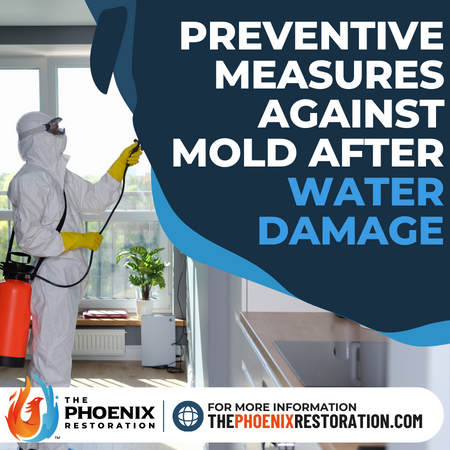 With a few simple measures, you can prevent mold from growing in your home after water damage.
While addressing existing mold growth is essential, preventing future mold infestations should be a priority. Improving home ventilation, especially in areas prone to moisture buildup like bathrooms, kitchens, and basements, can help regulate humidity levels and discourage mold growth.
Regular maintenance checks for water leaks and signs of moisture should be conducted, as addressing these issues promptly can prevent the ideal conditions for mold to develop.
During wet seasons or after a water damage incident, it’s advisable to use a dehumidifier and ensure that any leaks or sources of excess moisture are promptly addressed.
By taking these proactive measures, you can significantly reduce the risk of mold growth after water damage, protecting both your home and your family’s health.
Remember, the key to dealing with mold is preventing it from establishing itself in the first place. By being proactive and vigilant, you can protect your home from the damage caused by mold. Working with a professional mold restoration company, you can relax knowing that your home will be handled with care and an intensive, proper approach.
Detecting mold in your home after water damage is crucial in maintaining a healthy living environment and preventing further damage.