Identifying the right time to replace a subfloor after water damage is a challenging situation where key decisions must be made quickly. One such decision involves determining the right time to replace your subfloor after it’s been damaged by water.
This article aims to offer useful insights that will equip you in recognizing the tell-tale signs of an irreparable subfloor, thus aiding you in preventing further damage, avoiding unnecessary costs, and preserving your dwelling’s structural integrity.
Consequences of Water Damage on Subfloors
 Do you know the right time to replace a subfloor after water damage? Water damage on subfloors is a common problem in homes, especially in damp climates or after a flood. But how many of us actually understand what goes on beneath our feet?
Importance of subflooring
The subfloor forms the foundation of your home’s flooring system. It provides a stable surface for your finished floor covering, whether it’s hardwood floors, linoleum floors, or carpeting. It also aids in insulation and plays a vital role in the overall structural integrity of your home.
The subfloor material, usually oriented strand board (OSB) or plywood, is designed to withstand normal wear and tear, but it can be compromised by excessive moisture or water damage.
How water damage affects subflooring
Water causes various undesirable changes in subflooring material. This could range from simple weakening of the material due to prolonged exposure, to things like rotting or mold development in extreme cases.
Sometimes, these damages may spread to your finished floor if ignored. Hardwood floors, linoleum floors, and other floor coverings can be affected by a wet subfloor.
If left unchecked, the damage can spread to your finished floor, leading to issues like a bubbling linoleum floor or warped hardwood floors.
Potential hazards of ignoring water-damaged subfloors
Ignoring a water-damaged subfloor can lead to squeaky floors, uneven surfaces, odors, and, in extreme cases, even structural instability. Not only that, but mold and mildew development could also lead to a host of health risks.
A slow leak or excessive humidity can cause further damage to the entire subfloor, potentially requiring the replacement of the entire room’s subfloor.
Common Indicators of Subfloor Water Damage
No one likes surprises, especially when it comes to home maintenance. So, how do you spot water damage on your subfloor early? Here are a few signs to look out for.
Visible signs of water damage
These signs include curling or warping of your finished floor, visible molds, spots, or stains. In some cases, you may even notice soft spots on the floor.
Unsettling sounds: squeaking or looseness
If your floor starts squeaking or feels loose or unstable to walk on, it could indicate a problem with the subfloor. Water can break down the adhesive bonding your finished floor to the subfloor, causing these issues.
Change in the level or slope of the floor
If you notice a sudden change in the level or slope of your floor, it’s time to get a professional to look at your subfloor.
Mold and odor signs
A musty odor or visible mold is never a good sign. High humidity levels caused by water damage may create the perfect conditions for these unwelcome guests.
A feeling of dampness on the floor surface
An obvious but often overlooked sign is a damp floor. If your floor surface often feels damp or cold to the touch, it could be due to water damage on the subfloor.
How to Assess the Extent of the Water Damage
 After spotting the signs, the next big question is – how bad is it? Usually, a hardwood floor starts to bend up at the edges when the air around them gets too damp. But sometimes, it could also mean water gets into the floor underneath, making it bend.
Professional assessment versus DIY
Now, this could be a tricky call. While your observation can be fruitful, it’s always ideal to get a professional to thoroughly assess the damage as they’ll know exactly what to look for and could save you from potential expensive long-term problems.
Tools and methods used for assessing water damage
Professionals use tools like moisture meters to detect the presence and amount of moisture in your subfloor. They also consider factors like the age and quality of your building material.
Determining the depth and spread of water intrusion
The professional will also determine how deep and spread out the water damage is. This helps in deciding whether a simple repair would do or if extensive work is needed.
When Is The Right Time To Replace A Subfloor After Water Damage
The decision to replace a water-damaged subfloor can be a tough one, as it involves significant costs and disruption to your home. Here are some factors to consider:
Extent of the Damage
If the water damage is localized to a small area, you may be able to replace only a section of the subfloor. However, if the damage is widespread or affects the entire room, replacing the entire subfloor may be necessary.
Structural integrity concerns
If the subfloor is no longer able to provide a stable base for your finished floor, that’s a clear sign that you need a new subfloor. Or its you need to replace subfloor already.
Source of the Water Damage
It’s crucial to identify and address the source of the water damage, whether it’s a plumbing fixture leak, roof leak, slow leak, or flood. If the source is not fixed, the new subfloor will likely become damaged again.
Age and Condition of the Subfloor
If your subfloor is relatively new and the water damage is minor, it may be possible to dry it out and repair it. However, if the subfloor is older or has experienced significant damage, replacement may be the better option.
Presence of mold or structural damage
If the water damage has caused mold growth or structural damage to the subfloor, it’s generally recommended to replace it. Mold can be a health hazard, and a compromised subfloor can affect the structural integrity of your home.
Types of Subflooring Material and their Relative Vulnerability to Water Damage
Is every subfloor the same? Well, no. Different subflooring materials have different levels of vulnerability to water.
Wooden subfloors
Wooden subfloors, while popular for their insulating properties, are prone to water damage. Wood swells with water, disrupting the stability of the floor and creating a perfect environment for mold and mildew.
Concrete subfloors
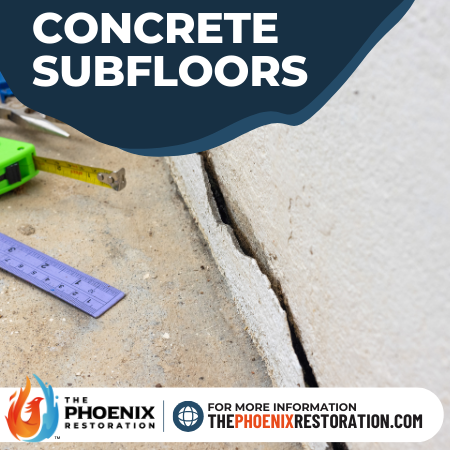 Concrete is less vulnerable to water damage. However, prolonged exposure to water can lead to mold development due to higher humidity levels.
Cement board subfloors
Cement boards are highly moisture-resistant and therefore a popular choice for bathrooms and basements. Usually not an issue, but if neglected, there could be mold or other damages.
Gypsum core panels
While gypsum itself is water-resistant, the paper covering often used is vulnerable to water damage. However, if properly sealed, it can be a valuable subflooring option.
Advantech
Advantech is a type of engineered wood that is designed specifically for subfloor applications. It’s highly moisture-resistant and can be an excellent choice in areas prone to water damage.
Understanding the Process of Subfloor Damage Repair
If your subfloor is repairable, breathe a sigh of relief, because this can be a less intrusive and less costly solution. If the gaps between your floor joists are notably wide, it is advisable to ensure that your subfloor is of a correspondingly greater thickness.
First, the area is thoroughly dried out to stop further water damage. Industrial fans or dehumidifiers may be used for this purpose.
After it dries, areas affected by mold are treated and cleaned to prevent future growth.
Next, weak areas are either reinforced or patched with matching material to restore the integrity of the subfloor.
Usually, if the damage is contained in a small area or the subfloor doesn’t show signs of severe rot or mold, repair is generally possible. However, in more severe cases, replacement becomes necessary.
Should You Repair or Replace Water Damaged Floors?
If replacement is necessary, follow this step-by-step guide to replacing a subfloor after serious water damage:
Remove existing floor covering
Before you can access the subfloor, you’ll need to remove any existing floor covering, such as hardwood floors, linoleum floors, or carpeting. This process can be time-consuming and may require professional assistance, depending on the type of flooring.
Ensure proper ventilation
During the subfloor replacement process, it’s important to ensure proper ventilation to prevent the buildup of dust and other airborne particles. This may involve opening windows or using fans and air filtration systems.
Setting in a new subfloor
Next, replace the old subfloor with a new one. Be sure the new subfloor is level and adequately secured to avoid future issues.
Protect adjacent areas
To minimize the spread of dust and debris, you’ll need to seal off the work area from the rest of your home. This may involve installing plastic sheeting or other temporary barriers.
Checking for recurrent problems
Once it’s all set, keep an eye out for recurring problems. Prevention is always better than cure.
You can check this out too: Step-by-step Guide on How to Fix Wood Floor Water Damage
Dealing with Insurances and Water Damaged Subfloors
After all the hassle, the next thing you want to do is secure your expenses through insurance, if your policy covers water damage.
Not all insurance policies cover water damage. And even those that do, the coverage varies depending on the cause of the damage.
To claim your expenses, you’ll need to create a proper documentation of the damage. This typically includes photos of the damage, an estimate of the repair/replacement cost, and a detailed claim letter.
Finally, your insurance adjuster plays a crucial role in helping you navigate your claim. Maintain open lines of communication with them for a smooth process.
Preventive Measures to Protect Subfloor from Water Damage
Prevention is better than cure – and this holds true even for your subfloor.
Regular maintenance and inspection
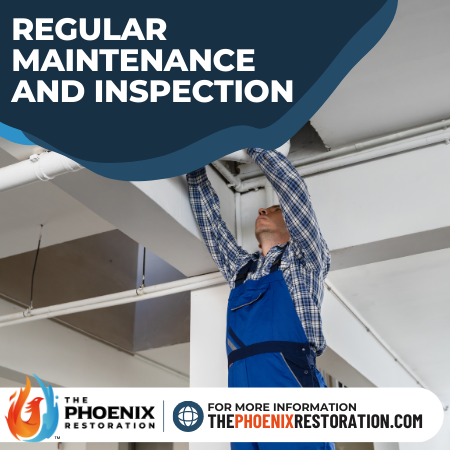 Regular inspection of your subfloor, especially after a storm or a flood, is vital in early identification of potential water damage.
Address any moisture issues
If your subfloor was damaged due to a plumbing leak, roof leak, or other moisture source, make sure to address the root cause before installing the new subfloor. This will prevent further damage from occurring.
Use proper underlayment
Depending on the type of finished flooring you plan to install, you may need to use an appropriate underlayment material between the subfloor and the finished floor. This can help protect the subfloor from moisture and provide additional insulation.
Proper home construction practices
Ensuring proper construction of your subfloor, whether it’s well-sealed, is also key in preventing water damage.
Monitor for signs of water damage
Even with a new subfloor, it’s important to remain vigilant for signs of water damage, such as musty odors, discoloration, or warping. Addressing any issues promptly can prevent more extensive damage from occurring.
Consider waterproofing treatments
In areas prone to water damage, such as basements or bathrooms, you may want to consider applying a waterproofing treatment to your new subfloor. These treatments can help repel moisture and prevent damage.
Getting professional help when necessary
Finally, if you do suspect water damage, promptly get a professional involved. They can provide expert advice and timely intervention.
The Importance of Timely Intervention
Ignoring water damage is something you simply can’t afford. It’s crucial for both your pocket and your health.
Timely intervention not only saves you expensive repairs but preserves your home value in the long run. More importantly, it ensures a safe and stable living environment for you and your family.
Immediate action is key in managing costs. The more you delay, the more damage there might be, leading to heftier repair bills.
Ultimately, a healthy home is a happy home. Taking care of your subfloor ensures you can comfortably walk, play, or even dance without worrying about uneven, squeaky, or damp floors.
Last but not least, you want to avoid health risks associated with molds like allergic reactions or respiratory problems. So, identifying the right time to replace a subfloor after water damage is essential if you want to avoid significant damage.
Water damage? Act fast. Mold can start growing within 24 to 48 hours. Our team provides 24/7 water damage restoration and mold remediation throughout Palm Beach County. Call (954) 866-8408.