Leaking water heaters can turn a peaceful day into a stressful emergency. A hot water heater leaking can quickly escalate from a minor annoyance to a major household emergency.
Many homeowners face the challenge of a leaky water heater at some point, often without understanding the underlying causes or knowing how to respond.
This blog post will explore the common reasons behind water heater leaking and provide immediate steps to take when faced with this issue. By understanding the signs of a leaky water heater and how to address it, you can potentially avoid extensive water damage and costly repairs.
What Causes a Water Heater to Leak?
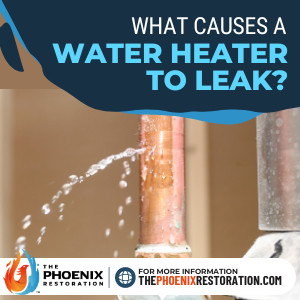
Have you ever walked into your basement or utility room only to find a small puddle of water forming around your water heater? This experience can cause immediate concern and confusion.
After all, a water heater leak is inconvenient and could potentially lead to significant damage if not addressed promptly.
A leaking water heater can be perplexing, especially when you might not be familiar with its internal workings. Typically, leaks can result from a number of causes, each necessitating a different remedial approach.
Corrosion
Water heaters, especially older models, are particularly susceptible to corrosion. Over time, rust can develop inside the tank, creating weak points that eventually give way to leaks.
Corrosion can affect a gas water heater differently than an electric model, often requiring frequent flue pipe inspections to ensure proper combustion gas ventilation.
Loose Drain Valve
Every water heater has a drain valve typically located near the bottom of the tank. If this valve becomes loose or wears out over time, it can lead to a noticeable leak.
Excess Pressure
Water heaters are designed to operate at a certain pressure level. If pressure builds up beyond this level, the tank may start to leak. This can happen due to a faulty pressure relief valve or if the temperature setting is too high.
It is also important to safely turn off electric water heaters during maintenance or emergency situations. Locate the breaker in the electrical panel and follow the crucial steps to ensure safety when dealing with electricity and water.
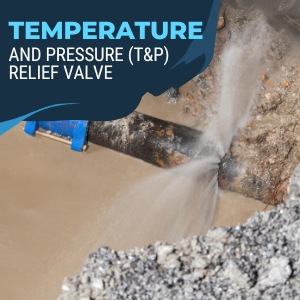
Temperature and Pressure (T&P) Relief Valve
This crucial safety component can sometimes cause leaks. If this valve malfunctions or becomes damaged, you may find water leaking around it.
Sediment Build-Up
Over time, minerals from the water can settle at the bottom of your tank, leading to sediment build-up. This residue can cause overheating and, consequently, leaks.
Regular hot water tank maintenance is essential to prevent sediment build-up and ensure its proper functioning.
Immediate Steps to Take When You Discover a Leak
Finding a leak in your water heater can be daunting, but swift action can help minimize damage. Here are immediate steps you should consider.
Turn Off the Water Supply
Locate the cold-water shutoff valve near your water heater and turn it off to prevent more water from entering the tank.
Power Down the Heater
If you have an electric water heater, locate your circuit breaker and turn off the electricity to the hot water unit. If it’s gas-powered, switch the gas control valve to the ‘Off’ position.
Assess the Damage
Examine the leak’s source if you can safely do so. Identifying whether it’s coming from the tank, valves, or connections can help you understand the severity of the issue. Additionally, it is crucial to inspect the water heater tank for leaks, as deterioration or sediment build-up can lead to significant problems.
When to Call a Professional
Sometimes, a leaking water heater requires more specialized knowledge and tools than you have on hand. Here’s when it’s time to bring in the professionals.
Significant Flooding
If your water heater has caused substantial flooding, calling a professional immediately is crucial to avoid further property damage.
Persistent Leaks
If you’ve attempted some basic troubleshooting and the leak persists, it’s time to consult an expert.
Complex Issues
A professional is best able to deal with issues like significant corrosion, major leaks at the tank’s base, or a malfunctioning pressure relief valve. It is crucial to have a professional assess any issues related to the water tank to prevent significant damage and expenses.
Preventive Measures to Avoid Water Heater Leaks
In addition to knowing how to manage leaks when they occur, there are also steps you can take to reduce the likelihood of them occurring in the first place.
Regular Maintenance
Regularly check your water heater for signs of wear and tear. This includes looking for rust, inspecting the temperature and pressure relief valve, and ensuring all connections are secure.
Regular maintenance is crucial in preventing a hot water heater from leaking, which can lead to unexpected water waste and potential damage.
Water Softening
If you live in an area with hard water, using a water softener can help reduce the mineral build-up inside your water heater. Less sediment means a lower risk of leaks.
Temperature Setting
Make sure the water heater thermostat is set correctly. Most heaters operate efficiently and safely at around 120°F. Setting it too high increases pressure, which can lead to leaks.
Professional Inspections
Schedule annual inspections with a professional. They can spot potential problems before they become serious and provide necessary maintenance.
Immediate Repairs
Address any small leaks or issues immediately. Delaying repairs can lead to more significant problems down the road.
Common Myths About Leaking Water Heaters
There are several myths and misconceptions about leaking water heaters. Understanding these can help you make informed decisions.
Myth 1: Small Leaks Aren’t Serious
Some people believe that small leaks can be ignored. However, even a minor leak can indicate a larger issue and lead to significant water damage over time.
Myth 2: DIY Repairs are Always Cheaper
While it’s tempting to try and fix the problem yourself, DIY repairs can sometimes lead to more trouble if not done correctly. Professional repairs might be more cost-effective in the long run.
Myth 3: All Water Heaters Fail After a Decade
While it’s true that many water heaters have a lifespan of about 10-15 years, regular maintenance can extend their life. Don’t assume that an older water heater is necessarily on its last legs.
Myth 3: Leaks Mean an Immediate Replacement
Not all leaks require replacing your water heater. If caught early, many issues can be resolved with a simple repair.
Long-Term Solutions for a Water Heater Leak
While immediate steps are crucial when you discover a leak, considering long-term solutions can prevent future issues:
Upgrade to a tankless system: These units heat water on demand and are less prone to leaks.
Install a leak detection system: Modern systems can alert you to leaks early, minimizing damage.
Regular flushing: Flushing your water heater annually can prevent sediment buildup and extend its lifespan.
Environmental Impact of a Leaking Water Heater
A water heater leak isn’t just a household inconvenience; it can have broader environmental implications:
Water waste: Even small leaks can waste significant amounts of water over time.
Energy inefficiency: A leaking water heater often works harder to maintain temperature, increasing energy consumption.
Premature replacement: Severe leaks may necessitate early replacement, contributing to landfill waste.
Conclusion
Dealing with a leaking water heater can be stressful, but understanding the causes, immediate remedies, and long-term solutions can make the process more manageable. Remember that prompt action is critical to minimize damage and ensure your home remains safe and comfortable.
At The Phoenix Restoration, we’re here to help you navigate these challenges with ease. With our professional services, round-the-clock availability, and dedication to quality, you can rest assured that your home is in good hands.
If you find yourself facing a leaking water heater or any other restoration need, don’t hesitate to reach out to us.
By taking proactive measures and understanding the signs and solutions related to water heater leaks, you can prevent minor issues from becoming major headaches. Here’s to a safer, leak-free home, with this leaking water heaters.