Flooding can turn your home or business upside down in an instant, leaving behind more than just visible water damage. Have you ever wondered how lingering moisture can quietly set the stage for costly mold growth? Whether it’s from a burst pipe, a leaking roof, or storm damage, the presence of standing water creates the perfect environment for mold to thrive—posing serious risks to your property and health.
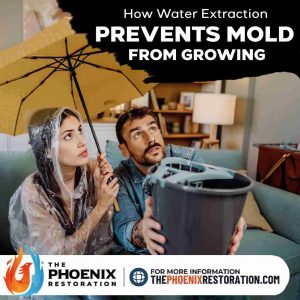
That’s where professional water extraction services come into play. By rapidly removing water through residential or commercial water extraction, you can stop mold before it even begins. But what exactly makes water extraction so crucial in flood cleanup? And how does it work alongside drying techniques to fully restore your space?
In this blog, we’ll explore the essential role of water extraction after flooding, uncovering why quick and effective action is your best defense against mold growth. Ready to learn how to protect your home or business and breathe easier? Let’s dive in.
1. Understanding the Impact of Flooding on Indoor Spaces
Flooding doesn’t just bring water into your home or business—it ushers in a cascade of hidden problems that can escalate quickly if left unaddressed. Have you noticed how even a small amount of water lingering after a flood can create lasting damage? That’s because moisture seeps into walls, floors, and crawl spaces, setting the stage for mold and structural issues that compromise your property’s safety and value.
Let’s break down why standing water is such a problem:
- Creates a Perfect Mold Environment: Mold thrives in damp conditions. When water isn’t fully extracted, mold spores find the moisture they need to grow, often within 24 to 48 hours.
- Damages Building Materials: Wood, drywall, and carpets absorb water, weakening structural integrity and encouraging decay.
Harbors Bacteria and Contaminants: Floodwater often carries contaminants, making areas like basements or crawl spaces hotspots for health hazards.
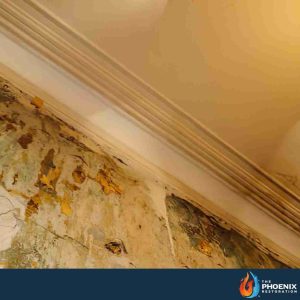
Consider these common areas most vulnerable to water damage after flooding:
- Basements and Crawl Spaces: These low-lying areas often trap water during heavy rains or storm damage, requiring specialized basement water extraction and crawl space water extraction techniques.
- Carpets and Flooring: Floodwater saturates carpets and padding, making carpet water extraction a critical step in preventing mold.
- Walls and Structural Elements: Water can penetrate deep into walls and framing, demanding structural water extraction to avoid costly repairs.
Understanding these risks highlights why immediate and thorough flood cleanup, including professional water extraction, is essential. Waiting too long or attempting partial cleanup may allow mold to establish itself—leading to expensive remediation down the line.
Are you prepared to act fast and protect your space? Recognizing the impact of standing water is your first step toward effective flood damage water extraction and a healthier, safer environment.
2. The Role of Water Extraction in Flood Damage Mitigation
When flooding strikes, you might wonder: why is water extraction such a crucial step in protecting your property? Simply put, it’s the frontline defense that stops water from causing deeper damage. Water extraction goes beyond just removing visible water—it targets hidden moisture trapped in floors, walls, and crawl spaces before mold and decay can take hold.
So, what exactly happens during water extraction, and why does timing matter so much?
What Is Water Extraction and How Does It Work?
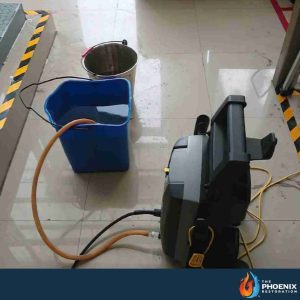
Water extraction is the process of physically removing water from your home or business using specialized equipment. This isn’t your average mop-and-bucket job—professional water extraction involves powerful pumps, industrial-grade vacuums, and techniques tailored to the situation, whether it’s:
- Basement water extraction after a heavy storm
- Carpet water extraction to salvage soaked flooring
- Structural water extraction to reach moisture trapped inside walls or under floors
Each scenario requires a different approach, but the goal remains the same: remove water quickly and thoroughly.
Why Rapid Water Removal Is Essential
The clock starts ticking as soon as floodwater enters your space. Within hours, moisture can spread, saturating materials and fueling mold growth. Here’s why speed matters:
- Prevents Mold Colonization: Mold spores need moisture to grow. Extracting water swiftly cuts off their supply, drastically reducing the chance of mold infestations.
- Protects Structural Integrity: Prolonged exposure to water weakens building materials, leading to costly repairs or replacements.
- Improves Air Quality: Removing standing water and drying affected areas helps reduce musty odors and airborne contaminants.
Tools and Technologies Behind Effective Extraction
Modern water extraction uses a variety of tools designed to tackle water in every nook and cranny, including:
- High-powered pumps for standing water extraction
- Industrial wet/dry vacuums for carpet and floor removal
- Moisture meters and thermal imaging to detect hidden dampness
By combining these technologies, water extraction services ensure no moisture is left behind, setting the stage for thorough drying and mold prevention.
Understanding the critical role of water extraction can change how you approach flood cleanup. Instead of seeing it as a burden, you can view it as an essential step to safeguard your property, health, and peace of mind. Are you ready to take action before water causes irreversible damage?
3. How Effective Water Extraction Inhibits Mold Growth
Have you ever considered how quickly mold can take over after a flood? The truth is, mold spores are everywhere—waiting for the perfect damp environment to start growing. That’s why effective water extraction isn’t just about removing water; it’s about stopping mold before it can establish itself and cause bigger problems.
How Does Water Extraction Stop Mold Growth?
The key to preventing mold lies in controlling moisture levels. Here’s how water extraction plays a crucial role:
- Starves Mold Spores of Moisture: Mold can’t survive without water. By removing standing water and drying saturated materials, you eliminate the environment mold needs to thrive.
- Prevents Hidden Mold in Structural Components: Water often seeps into walls, floors, and crawl spaces. Structural water extraction targets these hidden areas, stopping mold growth deep within your property.
Reduces the Risk of Secondary Damage: Mold not only affects health but also leads to costly structural damage. Early water extraction prevents these cascading effects.
The Mold Growth Timeline: Why Speed Matters
It helps to understand how quickly mold can grow:
- Within 24-48 hours: Mold spores begin to colonize damp areas.
- Within a week: Visible mold patches can appear, often accompanied by musty odors.
- After weeks: Mold can spread extensively, causing severe health risks and expensive remediation.
This timeline makes it clear why waiting to address water intrusion isn’t an option. Prompt water extraction and drying are your best defenses.
Health and Property Benefits of Controlling Mold Early
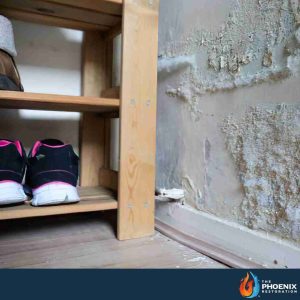
Removing water quickly through professional water extraction and drying does more than protect your property—it safeguards your health too. Mold exposure can trigger allergies, respiratory issues, and other health problems, especially in vulnerable individuals.
By investing in timely flood damage water extraction and cleanup services, you:
- Maintain a safer, healthier indoor environment
- Protect your property’s value and integrity
- Avoid expensive mold remediation and repair costs
Have you experienced flooding before? If so, you know how important it is to tackle water issues immediately. Effective water extraction is more than cleanup—it’s your frontline mold prevention strategy.
4. Best Practices for Water Extraction After Flooding
When floodwaters invade your space, it’s natural to feel overwhelmed. But knowing the best practices for water extraction can make all the difference in protecting your home or business. Have you ever wondered what steps to take to ensure a thorough cleanup and prevent future problems?
Identifying and Prioritizing Affected Areas
Not all flooded areas are created equal. Prioritizing water extraction in the most vulnerable spots can save you time and money. Focus first on:
- Basements and Crawl Spaces: These areas often trap water and humidity, making basement water extraction and crawl space water extraction critical.
- Carpeted Rooms: Floodwater quickly saturates carpets, so carpet water extraction is essential to prevent mold and odors.
Structural Components: Don’t overlook walls and flooring; structural water extraction targets hidden moisture that can lead to long-term damage.
Combining Extraction with Drying and Dehumidification
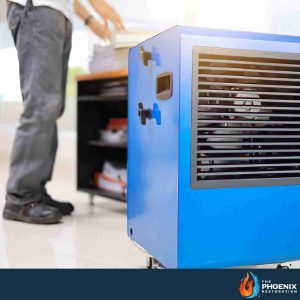
Water extraction is just the first step. To fully restore your space and prevent mold growth, it’s crucial to:
- Extract Standing Water Quickly: Use professional-grade pumps and vacuums for efficient removal.
- Dry Surfaces Thoroughly: Employ air movers and fans to circulate air and speed up evaporation.
- Control Humidity: Dehumidifiers reduce moisture in the air, preventing mold spores from thriving.
This three-step process—water extraction, drying, and dehumidification—is proven to be the most effective flood cleanup strategy.
When to Call Professionals for Water Extraction Services
While DIY methods may seem tempting, flooding often requires specialized equipment and expertise. Professional water extraction services bring:
- Advanced tools for standing water extraction and structural drying
- Experience handling complicated scenarios, like sewage water extraction or appliance leak water extraction
- Quick response times to minimize damage and mold risk
Are you facing an emergency flood cleanup? Don’t hesitate to contact experts who can restore your property safely and efficiently.
By following these best practices, you ensure that water extraction isn’t just a quick fix—it becomes part of a comprehensive plan to safeguard your home or business from the lasting effects of flood damage. Ready to take control of your flood recovery?
5. Long-Term Benefits of Prompt Water Extraction
Have you ever thought about the lasting impact that timely water extraction can have on your property and well-being? Acting quickly after flooding doesn’t just stop immediate damage—it sets the foundation for a healthier, safer, and more valuable space in the long run.
Protecting Property Value and Structural Integrity
Flood damage can be devastating, but prompt water extraction helps preserve your home or business by:
- Preventing Structural Deterioration: Water weakens wood, drywall, and concrete over time. Rapid structural water extraction minimizes this damage before it becomes costly.
- Reducing the Need for Extensive Repairs: Early intervention means you’re less likely to face major reconstruction or mold remediation down the road.
Maintaining Aesthetic Appeal: Water stains, warping, and mold growth can ruin the look of your floors and walls—quick cleanup keeps your space looking its best.
Enhancing Indoor Air Quality and Safety
Did you know that standing water and moisture can severely impact indoor air quality? Left untreated, they contribute to:
- Mold spores and allergens that trigger respiratory problems
- Musty odors that make your living or working environment unpleasant
- Health risks for children, elderly, and those with allergies or asthma
By investing in professional water extraction and drying services, you create a safer, fresher atmosphere that promotes well-being.
Saving Costs on Mold Remediation and Repairs
Flood damage water extraction might seem like an upfront expense, but it’s actually a smart financial move. Consider these benefits:
- Lower Restoration Costs: Early water removal means less damage and fewer materials to replace.
- Avoidance of Mold Remediation Fees: Mold can be expensive and complicated to remove if it’s allowed to spread.
Insurance Compliance: Many insurance policies require prompt water extraction to approve claims, saving you money in the claims process.

Prompt action after flooding is an investment that pays dividends. Whether you’re dealing with residential water extraction or commercial water extraction, the benefits ripple through every aspect of property care and personal safety.
Are you ready to protect your property’s future by prioritizing water extraction today? It’s not just cleanup—it’s peace of mind.
Conclusion
Flooding is an overwhelming experience, but the steps you take immediately afterward can make all the difference. Have you ever wondered how much damage could be prevented with prompt and professional water extraction? By acting quickly—whether through residential water extraction, commercial water extraction, or specialized services like basement water extraction—you’re not just removing water; you’re protecting your home or business from mold, structural damage, and costly repairs.
Remember, standing water extraction and comprehensive flood cleanup services are your best allies in this fight. They ensure that moisture doesn’t linger, giving mold no chance to take hold. So, when disaster strikes, don’t wait—reach out to trusted water extraction services near you. Investing in rapid, thorough water damage water extraction isn’t just about fixing the present; it’s about safeguarding your property’s future and your peace of mind.
Are you ready to take control of flood damage and prevent mold growth? With the right knowledge and swift action, you can restore your space and breathe easier knowing you’ve made the best choice for your property and health.
Need help with mold? Our licensed team provides professional mold remediation in West Palm Beach and Palm Beach County, from inspection to safe removal and prevention. Call (954) 866-8408 for a free inspection.