Have you ever wondered about the difference between dry mold and live mold—and why it matters? Mold is a common household issue, but understanding mold types is essential to protecting your health and home. You might ask, is dry mold still active, or can dry mold grow? And importantly, can dry mold make you sick even if it looks harmless? These questions highlight how confusing mold can be, especially when trying to tell if mold is dead or alive.
In this post, we’ll break down the mold life cycle stages, explore the signs of active mold versus inactive mold, and discuss why even dry mold can pose dangers. Whether you’re dealing with visible mold or just suspect it’s lurking unseen, knowing what to do with inactive mold—and when to seek professional mold assessment—can make all the difference.
Let’s dive into the real risks behind dry and live mold so you can make informed decisions about your environment and health.
Understanding Mold Types
Before you can tackle a mold problem, it’s important to understand the difference between dry mold and live mold. These two forms may look similar at first glance, but their behaviors and risks are quite different—and knowing this can help you respond effectively.
So, what exactly sets them apart?
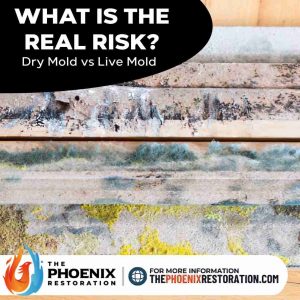
Live mold is active mold that thrives in moist environments. It’s the kind of mold that grows, spreads, and releases spores into the air. This makes live mold not only unsightly but potentially harmful to your health. You can often spot it by its fuzzy texture and musty smell. But how can you tell if mold is dead or alive when it doesn’t look so obvious?
On the other hand, dry mold is what remains after the mold has died or dried out. While it might appear harmless, dry mold still poses risks. Many wonder: is dry mold still active? The answer is no, but dry mold can still irritate your respiratory system and cause allergic reactions. Plus, there’s the question, does dry mold spread? While it doesn’t grow like live mold, the spores left behind can become airborne and affect indoor air quality.
Here’s a quick breakdown to clarify the key differences:
- Live Mold
- Requires moisture to grow and spread
- Appears fuzzy or slimy
- Often accompanied by a strong odor
- Can actively damage materials and impact health
- Dry Mold
- Mold that has dried or died
- Typically powdery or flaky in appearance
- No longer growing but still present in the environment
- Can cause irritation and allergic responses
Understanding these mold types is the foundation for effective remediation. Knowing whether you’re dealing with active growth or leftover residue helps determine the right approach and urgency. In the next sections, we’ll explore the health risks connected to both and how to identify them accurately—because not all mold problems are created equal.
Health Risks Associated with Mold Exposure
When it comes to mold, a common question is: can dry mold make you sick? The truth is, both live mold and dry mold carry health risks, but understanding the differences can help you protect yourself and your loved ones more effectively.

Live mold is notorious for triggering respiratory problems. Because it’s actively growing, it releases spores and allergens into the air, which can lead to:
- Allergic reactions like sneezing, coughing, and watery eyes
- Asthma attacks or worsening of pre-existing respiratory conditions
- Irritation of the throat, nose, and lungs
But what about dry mold? Many people assume that once mold dries, it’s harmless. However, does dry mold spread or pose any dangers? While dry mold doesn’t grow or spread like live mold, its spores and fragments can still become airborne. These tiny particles may irritate your respiratory system and cause allergic reactions—especially for people with sensitivities or compromised immune systems.
Here’s a quick look at potential health impacts from each:
| Health Risks | Live Mold | Dry Mold |
|---|---|---|
| Active growth & spreading | Yes | No |
| Spores released in air | Yes | Yes (from dried fragments) |
| Respiratory irritation | High | Moderate |
| Allergic reactions | Common | Possible |
| Long-term health concerns | More severe | Potential, if exposure is ongoing |
If you’re wondering about the dangers of dry mold, it’s important to note that while the risk might be lower than live mold, chronic exposure to either form can still affect your health. This is why proper identification and remediation are key.
If you’re experiencing unexplained symptoms or suspect mold exposure in your home, don’t hesitate to reach out for a professional mold assessment. Experts can evaluate the situation accurately and recommend the safest way to protect your environment.
In the next section, we’ll guide you on how to spot mold — live or dry — so you can act before it becomes a bigger problem.
Identifying Mold: Signs and Symptoms
Knowing how to tell if mold is dead or alive is crucial when you’re trying to assess the situation in your home. After all, the steps you take next depend on whether you’re dealing with active, growing mold or dry, inactive mold residue.

So, how can you spot the difference? Here are some key signs of active mold to watch for:
- Visible growth: Live mold usually appears fuzzy or slimy and can range in color from black and green to white or even pink.
- Musty odor: A strong, damp, earthy smell often accompanies live mold growth.
- Moisture presence: If you see mold near damp areas like leaks, condensation spots, or poor ventilation zones, it’s likely active.
On the flip side, what does inactive mold look like? Dry mold typically looks powdery or flaky and lacks the moist, fuzzy texture of live mold. It’s essentially mold that’s no longer growing but hasn’t been fully cleaned away.
Here’s a handy checklist to help you decide:
| Feature | Live Mold | Dry Mold |
|---|---|---|
| Texture | Fuzzy, slimy | Powdery, flaky |
| Smell | Strong musty odor | Usually odorless |
| Location | Near moisture sources | Often in the same places but dry |
| Growth activity | Active and spreading | Inactive, not growing |
If you’re unsure, consider scheduling mold inspection services. Professionals use specialized tools to detect mold presence—even hidden mold that you might not see or smell. This step is especially helpful if you experience unexplained health symptoms or persistent musty odors.
Remember, catching mold early, whether dry or live, makes remediation more effective and protects your health. In the next section, we’ll explore practical strategies for dealing with both dry and live mold safely and efficiently.
Mold Removal and Prevention Strategies
Once you’ve identified the type of mold you’re dealing with—whether live or dry—the next step is knowing how to deal with dry mold or live mold effectively and safely. Mold remediation isn’t just about cleaning; it’s about preventing future growth and protecting your health.
So, what’s the best approach for each mold type?
Dealing with Live Mold
Live mold requires immediate attention because it actively spreads and can cause health problems. Here are some key steps to consider:
- Address moisture sources: Mold thrives where there’s moisture. Fix leaks, improve ventilation, and reduce humidity to stop mold from growing back.
- Use appropriate cleaning agents: For small areas, solutions with detergent and water or specialized mold removers can work. Avoid bleach on porous surfaces—it may not fully remove the mold.
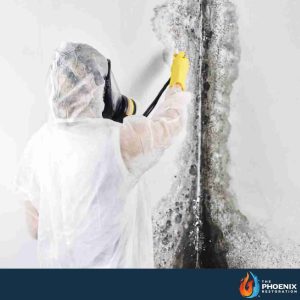
- Wear protective gear: Gloves, masks, and goggles are essential to avoid inhaling spores or skin contact during cleanup.
- Consider professional help: If mold covers a large area or you’re unsure about handling it, a professional mold assessment and remediation are the safest choices.
Handling Dry Mold
You might wonder, how to deal with dry mold since it’s no longer active. While dry mold doesn’t grow or spread, it still poses risks through airborne spores. Here’s what you can do:
- Careful cleaning: Use a vacuum with a HEPA filter or damp cloths to gently remove dry mold without stirring up spores.
- Avoid dry brushing or sweeping: This can release spores into the air, increasing exposure.
- Seal and discard contaminated materials: Porous items like carpets or drywall with heavy mold infestation may need removal.
Preventive Measures for Both Types
The best way to protect your home is by preventing mold growth altogether. Keep these tips in mind:
- Control indoor humidity—keep it below 50%.
- Ensure good airflow in bathrooms, kitchens, and basements.
- Fix plumbing leaks promptly.
- Use mold-resistant products when renovating or building.
By understanding mold remediation for dry mold and live mold, you’re empowering yourself to maintain a healthier living environment. The final section will help you evaluate the real risk each mold type poses so you can make informed decisions about your space and health.
Evaluating the Real Risk: Live Mold vs. Dry Mold
Now that you understand the differences and health impacts of live and dry mold, it’s time to ask: what’s the real risk? Which one should you be most concerned about, and how urgent is the situation?
First, it’s important to recognize that is mold still harmful when dry is a common question with a nuanced answer. While dry mold no longer grows or spreads, it can still release spores that irritate your lungs and trigger allergies. This means that even inactive mold residue isn’t something to ignore—especially if exposure is prolonged.
Here’s how live and dry mold compare in terms of risk:
- Toxicity and Allergic Reactions: Live mold generally poses a higher risk because it actively produces spores and mycotoxins. However, dry mold spores can remain airborne and cause allergic reactions or worsen asthma symptoms in sensitive individuals.
- Spread and Growth: Live mold spreads rapidly in damp conditions, potentially damaging your property and creating an ongoing health hazard. Dry mold, however, does not grow or spread, but the leftover spores can linger in the environment.
- Long-Term Exposure: Chronic exposure to either type can lead to respiratory issues, skin irritation, and other health problems. For people with weakened immune systems, the risks are even greater.
If you’re weighing whether to take immediate action or monitor the situation, consider these points:
- Extent of the Mold: Large areas of live mold need prompt professional remediation. Dry mold on small surfaces might be manageable with careful cleaning.
- Your Health Sensitivities: If you or family members have allergies, asthma, or compromised immunity, treating both live and dry mold seriously is crucial.
- Environmental Conditions: Mold problems often indicate moisture issues—addressing these will reduce future risks.
Ultimately, understanding the difference between dry mold and live mold helps you make informed decisions about mold remediation and prevention. When in doubt, a professional mold assessment provides clarity and peace of mind.
By staying proactive and knowledgeable, you can protect your home and health from the hidden dangers of mold—live or dry.
Conclusion

As we wrap up, you might be wondering: with all this information, what’s the best way to protect yourself and your home from mold risks? Whether you’re dealing with live mold actively growing or dry mold residue lingering, understanding their differences empowers you to take the right steps. Remember, is dry mold still active? Not exactly—but that doesn’t mean it’s harmless. Both forms can impact your health and indoor air quality, so knowing how to deal with dry mold safely and when to seek professional mold assessment is key.
Taking action early, recognizing the signs, and addressing moisture issues will help you prevent mold from becoming a bigger problem. After all, your home should be a safe haven—not a source of hidden health hazards. So, what’s your next step? Will you inspect your space with a fresh eye, or reach out to mold inspection services for peace of mind?
Being informed about the difference between dry mold and live mold is just the start. It’s about making smart, confident decisions to keep your environment clean and your loved ones healthy. Stay vigilant, act wisely, and you’ll breathe easier knowing you’ve tackled mold the right way.
Need help with mold? Our licensed team provides professional mold remediation in West Palm Beach and Palm Beach County, from inspection to safe removal and prevention. Call (954) 866-8408 for a free inspection.