Water damage is one of the most common and potentially devastating challenges a property owner can face. Whether it stems from a heavy storm, a burst pipe, or a malfunctioning appliance, the presence of unwanted moisture starts a literal race against time. The process of water mitigation is the first and most critical line of defense in protecting your investment. It is the immediate application of specialized techniques designed to contain the spread of water and prevent the escalation of damage. Without a prompt and professional response, a minor leak can evolve into a full scale structural failure or a hazardous mold infestation within just a few days.
Understanding the difference between simple cleanup and professional mitigation is key to a successful recovery. While a mop and bucket might handle surface spills, they cannot reach the moisture trapped in insulation, behind baseboards, or deep within the pores of concrete and wood. Professional technicians utilize advanced moisture detection technology, such as thermal imaging cameras and hygrometers, to locate hidden pockets of saturation. This diagnostic phase is crucial because water naturally seeks the path of least resistance, often flowing into wall cavities or under floorboards where it remains invisible to the naked eye until the damage is already severe.
Once the assessment is complete, the physical extraction of water begins. High powered pumps and truck mounted vacuum systems are used to remove thousands of gallons of water in a fraction of the time it would take with consumer grade equipment. This stage is vital because it significantly reduces the drying time required for the rest of the structure. The longer a building remains saturated, the more vulnerable it becomes to secondary damage. Secondary damage includes things like the warping of hardwood floors, the sagging of ceilings, and the delamination of plywood. By prioritizing water damage restoration through a dedicated mitigation team, you are effectively cutting off the fuel source for these deteriorating processes.
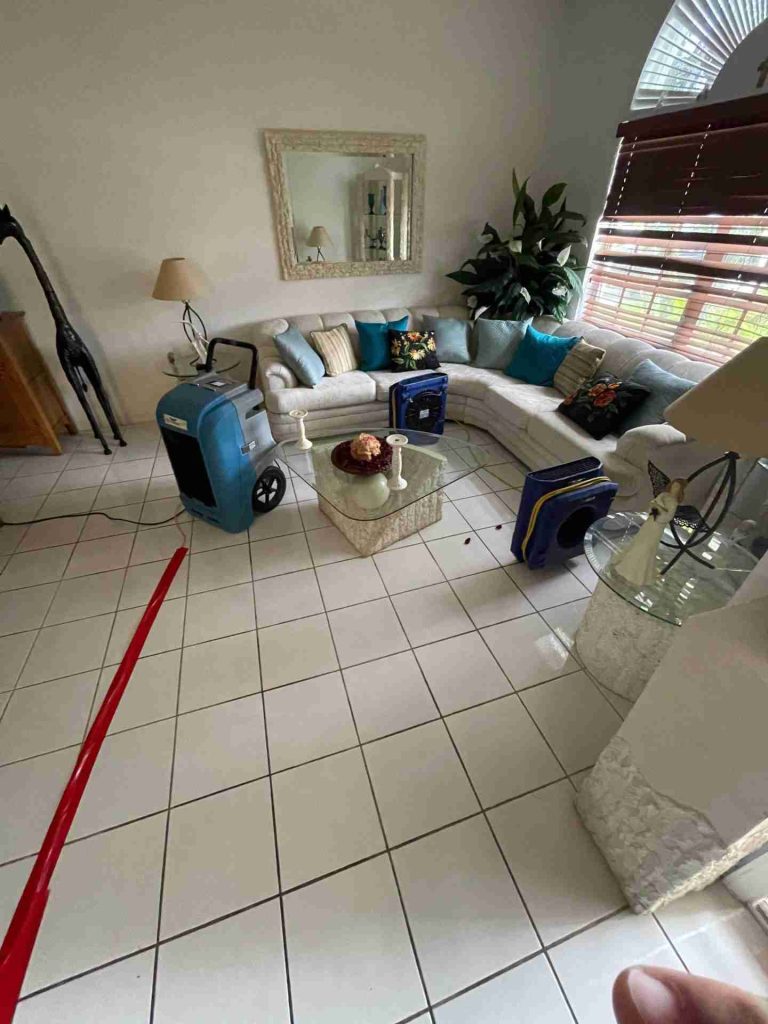
The drying and dehumidification phase is perhaps the most technical part of the entire mitigation journey. It is not enough to simply move air around with a fan. True structural drying requires a scientific balance of temperature, airflow, and dehumidification. Industrial grade air movers are strategically placed to create a vortex of air that pulls moisture from surfaces, while large scale refrigerant or desiccant dehumidifiers extract that moisture from the air itself. This prevents the “greenhouse effect” inside the property, where high humidity levels lead to condensation on cool surfaces, sparking mold growth in areas that were never even touched by the initial flood.
Beyond the physical structure, professional mitigation also focuses on sanitization and safety. Floodwater, particularly from sewage backups or outdoor runoff, often carries dangerous pathogens and bacteria. A professional team applies antimicrobial treatments to surfaces to ensure the environment is biologically safe for habitation. They also evaluate the safety of the electrical and HVAC systems, which can be compromised by moisture and pose significant fire or air quality risks. This holistic approach ensures that once the property is dry, it is also healthy and secure for the people living or working inside.
Ultimately, the goal of water mitigation is to return the property to its pre loss condition as quickly and efficiently as possible. By addressing the root of the problem immediately, you reduce the overall cost of the claim and the duration of the displacement. It provides a bridge between the initial disaster and the final repairs, ensuring that any reconstruction takes place on a solid, dry, and clean foundation. Investing in professional expertise at the onset of a water crisis is the smartest way to protect the longevity and value of your property.
Water damage? Act fast. Mold can start growing within 24 to 48 hours. Our team provides 24/7 water damage restoration and mold remediation throughout Palm Beach County. Call (954) 866-8408.