How do you know If a pipe burst? – If you’ve found yourself asking this question, this guide will help you identify the telltale signs of a potential pipe burst in your home or office.
Being able to spot these signs early on could save you from costly repairs and extensive water damage down the line. A leaking or burst pipe can ruin your furniture and the structure of your home. Let’s make sure you’re prepared to handle such situations with confidence.
Understanding What a Burst Pipe is
Piping systems are central to most homes as they supply and evacuate water. However, sometimes these pipes can break or rupture, often resulting in severe complications. This entire process is called a pipe burst.
What is a Pipe Burst
In the most basic of terms, a pipe burst is a situation where a pipe breaks open due to various reasons such as freezing conditions, high pressure, or old age. When the pressure inside a pipe becomes too high, it can cause the pipe to expand and eventually burst. It can lead to water or whatever fluid the pipe carries spilling out into the surrounding area.

How does a Pipe Burst occur
A pipe burst can occur for several reasons. Extreme cold can cause the water in pipes to freeze and expand, exerting pressure on the pipe walls until they burst. Other reasons include old or rusty pipes that have become weak over time, high water pressure, or blockages that increase pressure within the pipe.
Implications of a Burst Pipe
A burst pipe can have serious implications. Apart from the obvious waste of water, burst pipes can cause extensive water damage to your home and property.
They can lead to flooding, damage to walls, flooring, and furniture, the growth of molds and mildew, and even structural damage to your home. On the financial side, the cost of repairing the damage caused by a burst pipe can be very high.
How Do You Know If A Pipe Burst? – Common Causes of Pipe Burst
Have you noticed fluctuating water pressure or signs of a leaking pipe in your home or office? These could indicate a burst water pipe, which can lead to significant damage if left unchecked.
Freezing Temperatures
When water inside pipes freezes, it expands, putting immense pressure on the pipe walls from within. If the pressure becomes too great, it can cause the pipe to break or burst, especially in exposed pipes or those with little insulation.
Corrosion and Aging
Over time, water pipes, especially those made of metal, are prone to corrosion and rusting. This weakens the pipe walls, making them more susceptible to bursting under high water pressure. Aging infrastructure and outdated plumbing systems can also increase the risk of broken pipes.

High Water Pressure
Consistently high water pressure can weaken pipes over time, eventually leading to a burst. This is a common issue in older buildings or areas with poorly regulated water supply systems.
Clogs and Blockages
Obstructions in pipes can cause a buildup of pressure, potentially resulting in a burst if the blockage is severe enough.
Aging Infrastructure
Like any other material, pipes age and wear out over time. Old pipes are more likely to crack and burst since they can’t withstand pressures as well as newer, stronger pipes.
Signs of a Burst Pipe
While sudden water leaks are an obvious sign of a pipe burst, some other signs might help you identify a problem before it becomes a disaster. These include:
Running or Trickling Water Noise
If you hear the sound of running or trickling water when all your faucets are turned off, it could be a sign of a burst pipe.
Water Damage Marks
Unexplained water stains on walls, ceilings, or floors could be an indication of a hidden burst pipe.
Sudden Dip in Water Pressure
A sudden and unexplained drop in water pressure could mean that water is escaping from a burst pipe somewhere in your home.
Disruptive Water Supply
If your water supply becomes irregular without apparent reason, it could be due to a burst pipe.
Unexpected Increase in Water Bills
A sudden increase in your water bill may indicate that a large amount of water is leaking somewhere through a burst pipe.
Additional Signs
If you experience any of the following signs, it could indicate a leaking or burst pipe:
Fluctuating water pressure, especially when using multiple water sources simultaneously
Water stains or moisture on walls, ceilings, or floors
Musty odors or signs of mold growth
Gurgling or whistling or dripping sounds from pipes
If you suspect a burst pipe, it’s essential to act quickly to minimize water damage. Locate the main water supply valve and shut it off, then contact a professional plumber for assistance.

The Danger of Not Addressing Burst Pipes
Ignoring a burst pipe can lead to several severe consequences. These include:
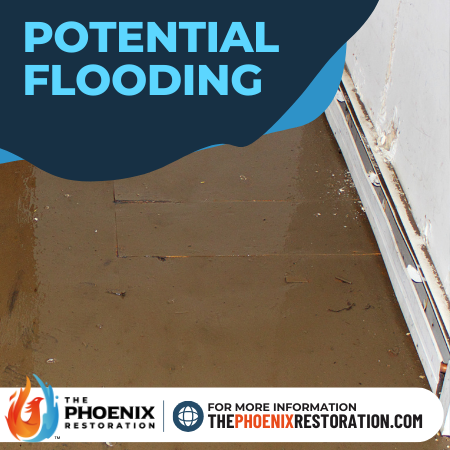
Potential Flooding
One of the most immediate and visible threats of a burst pipe is flooding. A large amount of water escaping from a pipe can quickly flood your home, damaging your property.
Structural Damage to the House
Over time, water seeping into your walls, floors, and foundation can cause serious structural damage to your home.
Risk of Mold and Mildew
The damp conditions caused by a burst pipe are ideal for the growth of mold and mildew, which can affect your health and damage your property.
Water Wastage
A burst pipe can result in significant water wastage, which is both costly and environmentally unfriendly.
Costly Repairs and Renovations
The damage caused by a burst pipe can be extensive, requiring costly repairs and renovations.
Various Locations for Pipe Burst
Burst pipes can occur anywhere in your home’s plumbing system. Some of the most common places include:
Burst Pipes in Walls
Pipes in your walls can burst and cause significant damage before the issue becomes apparent.
Burst Pipes Underneath the House
Pipes located underneath the house are often subject to temperature changes, making them susceptible to bursting.
Burst Pipes in the Basement
Due to their typically low temperatures, pipes in basements are particularly vulnerable to freezing and bursting.
Burst Pipes in the Ceiling
Burst pipes in the ceiling can cause water to drip or even pour from the ceiling, damaging everything underneath.
Related articles:
- Do I Need A Mold Inspection When Buying A House
- Understanding What Causes A Pipe To Burst
- Indicators Of A Burst Pipe
- The Ultimate Guide On How To Fix A Burst Pipe
- Effective Solutions With Flood Cleanup Services
How to Deal with Burst Pipes
Dealing with burst pipes quickly and effectively can help minimize the damage to your home. Here’s what you can do:
Immediate Steps to Take in Case of a Burst Pipe
If you suspect a pipe has burst, turn off the water supply immediately and call a professional plumber. If water has entered any electrical outlets, switch off the electricity as well.
How to Prevent Further Damage
While waiting for the plumber, try to remove as much water as possible using buckets and towels. If the burst pipe is visible and accessible, you can try to seal it temporarily with tape or plumbing putty.
Why You Should Contact a Professional Plumber
Handling a burst pipe is not a DIY job. Even if you manage to stop the leak temporarily, a professional plumber will need to replace the broken pipe and check for further damage or potential issues within your plumbing system.
Prevention Tips for Handling Pipe Burst

Preventing a burst or broken pipe is always better than dealing with one. Here are some proactive steps you can take:
Keeping Pipes Insulated
Ensure that all water pipes, especially those running through unheated spaces like attics, crawl spaces, and exterior walls, are properly insulated. Use foam pipe insulation or wrap pipes with heat tape or heating cables to protect them from freezing temperatures.
Avoiding Clogs
Be mindful of what goes down your drains and toilets. Avoid pouring grease, hair, or other debris that can accumulate and cause clogs over time. Consider using drain screens or mesh filters to catch debris before it enters the pipes. Periodically flush your pipes with a safe, eco-friendly drain cleaner to remove buildup.
Routine Checks and Maintenance
Schedule regular inspections of your plumbing system by a licensed professional. They can check for signs of corrosion, leaks, or other issues that could potentially lead to a burst pipe. Catching and addressing problems early can save you from costly repairs down the line.
Using a Burst Pipe Prevention Device
Consider installing an automatic shut-off valve or water leak detection system. These devices can detect sudden changes in water pressure or water flow, which could indicate a burst pipe, and automatically shut off the main water supply to prevent further damage.
Impact of Weather Conditions on Pipes
Different weather conditions can affect pipes in your home. Here’s how:
How Cold Weather Affects Pipes
Cold weather can cause the water in pipes to freeze and expand, which can lead to pipe bursts.
Pipes Burst in Warm Climates
Even in warm climates, pipes can burst. This is often due to sudden temperature changes or because the pipes are not used to cold temperatures.
Seasonal Changes and Pipes
The changing of seasons, particularly the transition from warm to cold weather, can put stress on pipes, leading to potential bursts.
Weatherproofing Your Pipes
To protect your pipes against different weather conditions, you can insulate them, let your faucets drip to prevent freezing, and seal any cracks or holes in your walls to keep cold air away from your pipes.
Emergency Response to a Burst Pipe

Knowing how to respond to a burst pipe can minimize the damage. Here’s what you should do in case of an emergency:
Shutting Off the Water Supply
Locate the main water shut-off valve for your home or building and turn it off immediately. This will stop the flow of water and prevent further flooding or damage. If you’re unable to locate the main valve, you may need to shut off the water supply at the street or call your local water utility company for assistance.
Draining the Pipes
Once the water supply is turned off, open all faucets and flush toilets to drain any remaining water from the pipes. This will help reduce the risk of water damage and make it easier to locate and repair the burst pipe.
Dealing with Flooding
If flooding has already occurred, act quickly to minimize the damage. Turn off any electrical circuits or appliances in the affected area to prevent the risk of electrocution. Use towels, mops, or a wet/dry vacuum to remove as much standing water as possible. Consider contacting a professional water damage restoration company if the flooding is severe or affects a large area.
Locating the Burst Pipe
Once the initial emergency response is complete, you’ll need to locate the source of the burst pipe. Look for signs of water damage, such as stains on walls or ceilings, or listen for the sound of running water behind walls or in crawl spaces. A professional plumber may be necessary to locate and repair hidden or hard-to-reach burst pipes.
Financial Aspects of Burst Pipes
Dealing with a burst pipe can also have significant financial implications. Here’s what you should know:
The Cost of Repairing a Burst Pipe
The cost of repairing a burst pipe can vary widely depending on its location and the extent of the damage. It’s best to get quotes from several plumbers to ensure you’re getting a fair price.
Reviewing Home Insurance Coverage
Home insurance policies often cover damage from burst pipes. However, it’s essential to review your policy to understand what is covered and what isn’t.
Efficient Use of Plumbing Services
Choose your professional plumber wisely to ensure efficient use of plumbing services. Try to go for a service that provides comprehensive solutions, including the repair of the burst pipe and addressing its root cause.
In summary, knowing how to prevent, detect, and handle a pipe burst can save you money, protect your property, and generate peace of mind. Dealing with a burst pipe can be stressful and potentially costly, but recognizing the signs early on can help minimize the damage.
These telltale indicators should not be ignored, from fluctuating water pressure and unexplained moisture to gurgling sounds and musty odors.
You can reduce the risk of a burst pipe by taking proactive measures, such as insulating pipes, preventing clogs, and performing routine maintenance. However, if you do find yourself facing such an emergency, remember to act quickly by shutting off the water supply, draining the pipes, and addressing any flooding.
While it may seem daunting, being prepared and knowing what to look for can make all the difference. So, the next time you notice something amiss, ask yourself – “How do you know if a pipe burst?” and take the necessary steps to protect your home or business.
Water damage? Act fast. Mold can start growing within 24 to 48 hours. Our team provides 24/7 water damage restoration and mold remediation throughout Palm Beach County. Call (954) 866-8408.