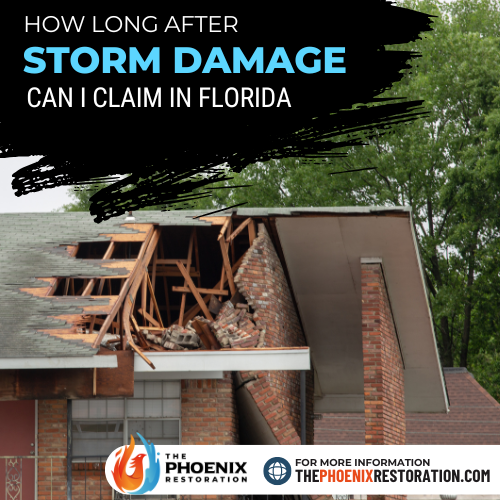
Living in Florida means you’re no stranger to storms, but when they hit, the aftermath can be overwhelming. From damage to your roof to flooding inside your home, you’re left with one big question: how long after storm damage can I claim in Florida?
Knowing this answer can affect how you approach recovery and protect your rights as a homeowner. Let’s break down the steps and timelines to ensure your insurance claim process is as smooth as possible.
How Long After Storm Damage Can I Claim in Florida
Storm damage can cause significant loss to property owners anywhere, and Florida is no exception. Understanding the statute of limitations regarding storm damage claims in the state is helpful. All too often, folks miss out on compensation due to a lack of understanding of these rules.
Defining the Statute of Limitations in Florida
Simply put, the “statute of limitations” is a legal deadline for filing your property damage claim. For storm damage in Florida, this period is typically three years from the date of the event.
But remember, just because you have time doesn’t mean you should wait. Insurance companies often require a lot of paperwork, inspections, and negotiation, which can stretch the process out. Starting sooner ensures you don’t miss out.
Important Timelines After Storm Damage
Time flies when dealing with storm recovery, and delays can be costly. Florida law allows a three-year window to file your claim, but the sooner you begin, the better.
Initiating your claim early allows you to prepare for potential hurdles, such as missed documentation or disagreements with your insurance company over damage assessments.
Steps to Take Immediately After Storm Damage
Understanding what to do after a storm has damaged your property is essential. You need to know how to safeguard your rights and increase the chances of a successful claim.
Documenting all damage
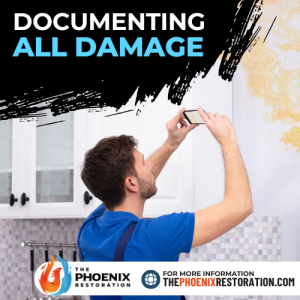
Start by documenting every bit of damage. Photos, videos, and even written descriptions are invaluable when it comes time to file your hurricane property damage claim. Whether it’s a fallen tree or water damage from a broken window, having proof helps strengthen your case to your insurance company.
Prevent Further Damage to Your Property
It’s also important to minimize further harm. Covering broken windows, placing tarps on damaged roofs, or moving items out of harm’s way demonstrates to your insurer that you’ve acted responsibly. Your insurance policy may even require you to do this as part of the claims process.
Contact Your Insurance Company Right Away
Don’t wait—reach out to your insurance company once you’ve documented the damage. Early communication allows them to start the review process quickly, which can speed up the approval of your insurance claim in Florida.
The Claims Process
Understanding how the claims process works is important to ensure you know what to expect and increase the chances of successfully getting your claim.
The Adjuster’s Visit is Key
After contacting your insurance company, an adjuster will visit your property to assess the damage. It’s essential to show them all your documentation and highlight any areas they might miss. The adjuster’s report heavily influences the amount you’ll receive from your hurricane insurance claim.
Negotiation Might Be Necessary
Don’t hesitate to negotiate with your insurance company if their offer doesn’t match the damage you’ve documented. Be prepared to back up your claim with solid evidence, ensuring you get the compensation you deserve for your property damage claim.
Filing a Claim Within The Statutory Limit
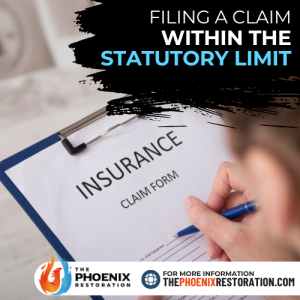
Your legal right to claim damages after a storm surge has a limitation period. You must file within this period to be eligible for compensation.
How Long After Storm Damage Can You Claim in Florida?
Legally, you have up to three years from the storm’s date to file a hurricane property damage or wind damage claim. It’s important to understand that starting early allows you more time to handle any delays or complications that might come up with your insurance claim.
The Risks of Late Reporting
If you report your insurance claim after the three-year deadline, you could forfeit any right to compensation. Timely filing is not only essential—it’s non-negotiable. Missing this window means you’re on your own to cover repair costs.
Specific Deadlines for Hurricane and Windstorm Damage
The state of Florida recognizes the devastating effects of specific types of storms and, as such, makes separate provisions for them.
Wind Damage vs. Other Storm Damage
Wind damage is often a separate category in insurance policies. Claims for wind damage coverage fall under the same three-year window, but how it’s applied can depend on your specific insurance policy. It’s always a good idea to check your policy closely to understand what’s covered and what isn’t.
Filing a Hurricane Property Damage Claim
When it comes to hurricanes, Florida law is very clear: you have three years from the hurricane’s landfall to file your hurricane property damage claim. Since hurricanes cause significant destruction, this provision allows more time to deal with the aftermath.
What Happens During the Claim Investigation
Once you file, your property insurance claim goes through an investigation by your insurer. The process starts with a visit from the claim adjuster, who assesses the damage and your policy.
Then, they send a report to your insurer. If your evidence aligns with the adjuster’s findings, your payout will be based on their recommendation.
What You Can Expect
During the investigation, expect the adjuster to ask detailed questions about how the damage occurred and what steps you took to mitigate it. Having your documentation handy will help move things along.
Mitigating Factors in Claims Filing Duration
Several factors can affect the duration of filing a claim. Understanding these can help avoid unforeseen difficulties.
Factors that could prolong your claims process
Your claim process could be prolonged for several reasons, such as the complexity of the claim, inadequate documentation, disputes over the assessment of the damage, or simply the efficiency of your insurance company. It’s best to be prepared for possible delays.
Understanding the impact of mitigating factors
These mitigating factors can mean your claims process takes longer than expected. You may face a long wait before you receive compensation, which could disrupt your plans for repair or replacement. This is another reason to start the process as soon as possible.
What If Your Claim Is Denied?
Despite your best efforts, sometimes an insurance claim gets denied. Understanding why this happens and how to respond is essential.
Your claim could be denied due to late filing, insufficient documentation, or exclusions in your insurance policy. But don’t panic—denials can be appealed.
Filing an Appeal
If your claim is denied, you can appeal the decision. This requires you to present more evidence or explain why the denial was unjustified. Sometimes, having a law firm on your side can help turn things around.
Importance of Legal Representation in Storm Damage Claims
Legal assistance can prove decisive in dealing with storm damage claims. Hiring a law firm to assist with your hurricane or other insurance claims can make the process smoother.
Lawyers who specialize in storm damage claims can negotiate with your insurance company on your behalf and help ensure you get what you’re owed.
When to Call a Lawyer
A lawyer understands insurance laws and can provide guidance and advice on your claim. They can also negotiate on your behalf and challenge any unfair denial or underpayment with professional competence.
Hiring a lawyer for your storm damage claim provides you with professional assistance and reduces your burden during this stressful time.
Dealing with Underpayment of Storm Damage Claims
Sometimes, the damage claim might get approved, but the payout may be less than expected or necessary. Several factors can lead the insurer to underpay your claim. These include discrepancies between your claim and the adjuster’s report, interpretation of policy terms, or categorization of damage.
Steps to take if your claim is underpaid
If you are underpaid, you should attempt to negotiate your claim. Provide evidence to show why you believe the proposed amount is inadequate, and enlist professional help if necessary.
Filing a claim for additional damages
If you notice additional damages after the initial reparations have commenced, or if the compensation was insufficient, you may file a claim for supplemental or additional damages.
But remember that all claims must comply with the initial filing timeline, even if the damage was discovered later. So, stay vigilant and ensure you fully explore the damage’s extent before the statutory limit lapses.
From understanding the statute of limitations to gathering evidence, being proactive can save you time and money. Ensure you document everything, contact your insurance company quickly, and seek legal advice to get the compensation you deserve from your claims.
These steps allow you to weather the storm and protect your property. Knowing how long after storm damage can I claim in Florida is crucial for securing compensation.