Dealing with the aftermath of a fire can feel overwhelming, but understanding how to claim fire damage can make the recovery process much smoother. Filing a fire damage insurance claim may seem daunting initially, but it’s essential for regaining control and rebuilding your life.
This guide is here to help you navigate through the complexities of the claims process and maximize your chances of receiving fair compensation. Let’s dive into the details so you can focus on recovering.
Tips for a Smooth Process for How To Claim Fire Damage
In the unfortunate event of a fire, the destruction can be devastating. However, your homeowners insurance policy should cover the loss, providing financial relief.
Knowing the details of your insurance coverage can make a big difference in how smoothly your fire damage claim progresses. Fire insurance is designed to cover the costs of repairing or rebuilding your home and replacing your belongings.
Depending on your policy, it may also cover smoke damage and additional costs, such as temporary living expenses, if your home is uninhabitable.
Types of Fire Insurance Policies
Not all policies are the same. Standard homeowners insurance policies cover fire damage, but the specifics vary. Some policies may also include coverage for water damage from firefighting efforts, while others focus solely on fire-related losses.
- Basic Fire Insurance – Covers damage caused by fire, explosions, or lightning.
- Broad Fire Insurance – Extends coverage to include windstorms, hail, and more.
- Comprehensive Fire Insurance – Offers extensive protection against various perils, excluding those explicitly mentioned in the policy.
By knowing the type of policy you hold, you can understand what compensation you’re entitled to when you file a fire insurance claim.
Coverage in Fire Insurance
Your insurance company will typically provide compensation for:
- Structural Damage: Costs to repair or rebuild your home.
- Personal Belongings: Replacement of damaged items such as furniture, electronics, and clothing.
- Valuables: Coverage for high-value items like jewelry or art may have specific limits.
- Temporary Housing: Reimbursement for additional living expenses like hotel stays.
Understanding these categories will help you better prepare for the claims process and ensure you include everything in your fire insurance claim process.
Before the Fire: Preparedness Measures
The best offense is a good defense, they say. This holds true even for fire incidents. Taking some preparedness measures can greatly enhance your readiness and ability to recover should a fire occur.
Carrying Out Regular Home Safety Audits
Conduct your own home safety audits regularly. Check all your smoke alarms to ensure they are in working condition, and replace the batteries as needed. Also, inspect wiring and appliances for possible fire hazards.
Documentation of Property and Valuables
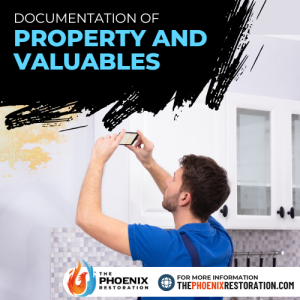
Keep a detailed inventory of your property and valuables. This would include major appliances, furniture, electronics, and personal items. It is a good idea to take photographs or videos as proof of your possessions.
Keeping Copies of Important Documents
It’s crucial to keep copies of essential documents like your insurance policy, property deeds, and personal identification in a safe and accessible place separate from your home.
Immediate Action Post-Fire
The first few hours after a fire incident are critical and require focused action.
Ensuring Safety
This is the priority. Make sure everyone is safe and accounted for. Stay away from damaged buildings until professionals declare them safe.
Immediate Notification of Relevant Authorities
Notify the relevant authorities, including the fire department and your local municipality. In some areas, you might have to call an inspector before you can safely reenter your property.
Temporary Accommodation Arrangements
If your home is uninhabitable, your homeowners insurance company may cover the costs of temporary housing. Whether staying with family, friends, or at a hotel, retain all receipts to submit during the claims process.
Contacting Your Insurance Company

Immediately report the fire to your insurance company and begin the claims process. The sooner you act, the faster they can send an insurance adjuster to assess the damage.
Timely Reporting of Fire Incidents
Notify them about the incident immediately, and provide all the details you have. The sooner they know about it, the sooner they can start working on your claim.
Provision of Necessary Details
You’ll need to provide details about the property, the possessions that were damaged, the people who were affected, and any injuries.
Appointment of Insurance
Your insurance company will send an insurance adjuster to assess the damage. They are responsible for determining the loss and agreeing to a settlement amount with you.
Assessing the Extent of Damage
Once it’s safe to reenter your home, take the following steps to document the damage and kickstart your fire damage restoration process:
Securing Your Property
Your insurance company will probably recommend you make temporary repairs to prevent further damage. This may include covering broken windows, damaged roofs, or missing doors.
Deducting Recoverable Items
Identify any items that can be recovered or repaired.
Estimating the Value of Loss
Start calculating the value of your loss. Use your property inventory and any photos or videos you have to help assess the cost.
Documenting the Damage
Keeping a thorough record of everything is crucial throughout the insurance claiming process. Take photos or videos of all the damage, including both structural damage and damaged items.
Listing Damaged Items
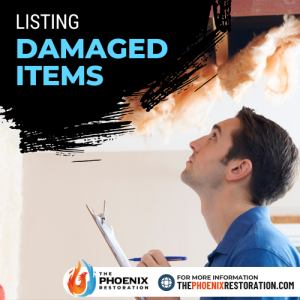
Make a list of all damaged items along with their estimated cost. Your photos or videos and your property inventory will help you here.
Keeping Receipts of Related Expenses
Keep all receipts for any expenses you incur as a result of the fire, such as hotel bills, meals, and rental charges. Depending on your policy, you can get reimbursed for these costs.
Filing the Claim
Filing a fire insurance claim involves providing your insurer with a detailed account of the incident, the damage, and related expenses.
Detailing Your Claim
Give your insurance company a detailed description of the event and the damage. The more details you provide, the quicker your claim can be processed.
Lodging the Claim Form
Complete the claim form provided by your insurer. Be as honest, thorough, and accurate as possible.
Contacting an Insurance Claim Specialist
Contact an insurance claim specialist if you’re unsure about any part of the claim process. They are professionals who can help guide you through the complex claims process.
The Role of the Insurance Adjuster
The insurance adjuster assigned to your case will investigate your claim by assessing the damage to your property and estimating the cost of repairs.
Cooperating with the Adjuster
Cooperating with the adjuster and providing any documents or evidence they request is essential. Transparency ensures that your claim moves forward quickly and without hitches.
Disputing Settlement Offers
If the adjuster’s estimate seems unfair, don’t hesitate to challenge it. You can seek assistance from a public adjuster or an attorney to help negotiate a more favorable settlement.
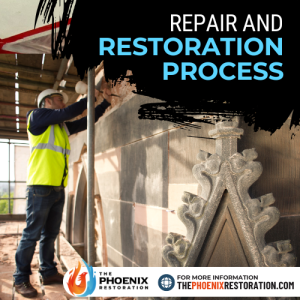
Repair and Restoration Process
Once your claim is settled, it’s time to start the restoration process. Hire reputable contractors to repair your home. Check their credentials and ask for references.
Ensure all repairs and cleanup are done properly to avoid longer-term damage like mold growth. Rebuilding and restoring your home will take time. Be patient and keep a positive mindset; soon enough, you can resume normalcy.
Legal and Financial Considerations
Beyond the immediate repairs, a fire can have long-lasting legal and financial implications. You may be able to claim fire damage as a casualty loss on your taxes. Consult a tax professional to understand how this applies to your situation.
Know Your Rights
As a policyholder, you have the right to fair compensation under your homeowner’s insurance policy. If you feel your rights aren’t being respected, don’t hesitate to seek legal advice.
Seeking Legal Help
If you encounter disputes with your insurer over your fire insurance claim, consider hiring an attorney specializing in insurance law to assist in your case.
Insurance Claim Tips
- File Your Claim Immediately: Delaying your fire insurance claim can lead to issues with documentation or policy deadlines.
- Be Detailed and Honest: Any omissions or misrepresentations can slow the process.
- Document Everything: Keep copies of every communication, expense, and receipt.
- Prepare for Negotiations: If your settlement seems low, don’t accept it without a discussion.
While the fire damage insurance claims process can feel overwhelming, following the proper steps will help you regain normalcy faster. By working closely with your insurance company and ensuring you understand the details of your homeowner’s insurance, you can avoid many common pitfalls.
Most importantly, you’ll be equipped to rebuild your life and move forward. Now that you know how to claim fire damage, you’re better prepared to face the challenges ahead should the worst happen.