Dealing with the aftermath of a house fire can be overwhelming, but learning how to clean up soot after fire damage is an important first step in restoring your home.
Once the flames are out, you’re often left with soot stains, soot residue, and a lingering smoke smell. So, what’s the best way to tackle this?
Soot Cleanup Tips: How To Clean Up Soot After Fire Damage?

Dealing with soot stains and smoke damage after a fire can be tricky, but knowing how to remove soot properly makes all the difference. From addressing soot residue left on surfaces to effectively removing soot stains, these tips will help you restore your space and minimize the lasting effects of fire damage.
What is Soot
Typically, soot is a product of incomplete combustion. When organic, carbon-based materials fail to burn completely, they produce soot. This fine black powder is composed mostly of carbon, as well as other materials that didn’t burn away during the fire.
Soot, a black powdery or flaky substance, consists of carbon and is a by-product of burning fossil fuels such as wood, oil, and coal. Due to incomplete combustion, these tiny particles are released into the air and settle on walls, ceilings, furniture, and more.
Understanding it is essential as it makes your home look dirty and unkempt and can also be hazardous to your health.
Types of Soot
Not all soot is the same. There are different types, each with its own set of characteristics and cleaning requirements. These include dry soot, wet soot, protein soot, and fuel oil soot.
Dry soot results from fast-burning, high-oxygen fires, whereas wet soot develops from low-heat, smoldering fires. Protein soot is sticky and mainly originates from kitchen fires, whereas fuel oil soot is a product of furnace fires.
Hazards of Soot After Fire Damage
After fire damage, lingering soot can cause severe health problems. These tiny particles can penetrate deep into the lungs and cause respiratory issues, heart problems, and even cancer.
They may provoke allergy symptoms and can even complicate existing health conditions. Thus, handling and removing soot after fire damage must be done with the utmost care.
Personal Safety Measures Before Cleaning

Before you begin cleaning, you must take specific safety measures to protect yourself from the hazards of soot.
Use Protective Wear
Ensure you wear the right protective gear. This includes gloves, goggles, and a certified mask that can filter out soot particles. It’s also advisable to wear long sleeves and trousers to limit skin exposure.
Ventilating the Space
Proper ventilation is essential before starting any cleaning process. Open windows and doors to allow fresh air to circulate.
Securing Loose Items
Loose items, especially those touched by soot, should be carefully secured. To prevent accidents while cleaning, put breakable items aside and secure any ash-covered materials in plastic bags.
Why You Need a Professional Assessment
Cleaning soot is a tricky job that might warrant professional assistance. Professionals have the right skills and equipment to clean soot efficiently and safely.
They can assess the extent of the damage, identify the type of soot, and prescribe the best cleaning approach while ensuring your safety.
What to Expect from a Fire Damage Assessment
During a fire damage assessment, professionals thoroughly inspect your property to determine the extent of the fire, smoke, and soot damage. They also guide you through the cleaning process, explain potential risks, and help document the damage for insurance purposes.
Initial Soot Cleanup Methods
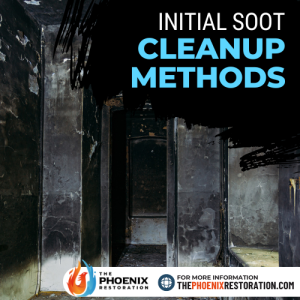
Before exploring specific cleaning methods, you can start with some general soot cleanup procedures. Using a slightly damp cloth, you can remove soot residue from all surfaces.
Dry-Cleaning Methods
Some types of soot may be effectively removed using dry cleaning processes. This could involve dry sponging or dusting to remove loose soot particles.
Vacuuming Loose Soot
Using a vacuum cleaner can be an efficient way to remove loose soot particles from surfaces. Make sure to use one that has a high efficiency particulate air (HEPA) filter which can trap tiny particles.
Use of Chemical Dry Sponge
Chemical dry sponges work wonders in absorbing soot and other materials. The sponge effectively removes soot without smearing.
Removing Soot from Walls and Ceilings

Different types of walls require different cleaning techniques.
Cleaning Non-washable Painted Walls
Scrub non-washable painted walls with a dry cleaning sponge. Afterward, use a vacuum cleaner to suck up loose soot.
Cleaning Washable Painted Walls
Start by using a dry chemical sponge to remove loose soot, then use a soot-removal cleaning product to wash the walls. Rinse thoroughly and allow to dry.
Dealing with Wallpapered Walls
You may need to remove and replace soot-damaged wallpaper. If the wallpaper is washable, try using a mild detergent mixed with warm water to clean it.
Cleaning Soot Off Furniture
Like walls, different types of furniture materials require specific cleaning techniques.
Upholstered Furniture
Vacuum the upholstery to remove loose soot. Then, use a commercial upholstery cleaner to deep clean the material. If it’s still dirty, consider hiring a professional upholstery cleaning service.
Wooden Furniture
Use a vacuum cleaner to remove soot from wooden furniture. Then, wipe down with a wood-cleaning product, being careful not to soak the wood.
Metal Furniture
Use soapy water to clean metal furniture. Be sure to thoroughly dry after cleaning to avoid the risk of rust.
Cleaning Soot Off Floors and Carpets

The flooring type plays a big role in deciding the right cleaning procedure. You can also place bowls of baking soda around the rooms to absorb odors.
Hardwood Floors
Vacuum first to clear loose soot. Then, use a wood floor cleaner to get rid of the remaining residue. Remember to dry thoroughly to avoid water damage.
Tiled Floors
Use a mop and a mild detergent mixed with water for tiled floors. You can use a brush to clean grout lines. Dry thoroughly when complete.
Carpeted Floors
For carpeted floors, use a vacuum cleaner with a HEPA filter. If the soot is deeply embedded, consider hiring a professional cleaning service.
Cleaning Soot Off Fabrics and Textiles
Fabrics and textiles require gentle treatment to avoid damage.
Machine Washable Fabrics
Remove loose soot with a vacuum, then launder as usual. Repeat as necessary.
Non-machine Washable Fabrics
For delicate, non-washable fabrics, consider professional dry-cleaning. Beforehand, vacuum any loose soot particles.
Curtains and Draperies
If machine-washable, treat the same as other washable fabrics. Otherwise, consider professional cleaning.
Eliminating Smoke Odors
Even after soot cleanup, a smoke odor can linger. Here’s how to get rid of it.
Air Cleaning
Proper ventilation can help reduce smoke odors. Use fans, open windows, and consider using an air purifier.
Use of Deodorizing Products
Deodorizing sprays, gels, and candles can also help neutralize smoke odors.
Ozone Treatment
In stubborn cases, an ozone generator may be used. It’s highly effective but should only be operated by a professional, as it can be harmful if misused.
Prevention of Future Soot Damage
Take steps now to prevent future soot damage.
Fire Safety Measures
Ensure you have working smoke detectors, avoid leaving cooking unattended, and be careful with candles and other open flames.
Maintenance Tips
Regularly clean and maintain your chimney, furnace, and any other fuel-related equipment.
Use of Fire Resistant Materials
Using fire-resistant materials in your home can help prevent soot damage. This doesn’t mean they won’t burn, but they are more resistant to fire and will burn slower.
In conclusion, dealing with soot damage isn’t a task to be taken lightly due to its potential hazards. Trust your gut — when in doubt, reach out to professionals.
It’s important to be thorough, especially when addressing both the visible damage and the odor. Following these steps will give you a better chance of restoring your home and eliminating persistent smoke damage.
Remember, knowing how to clean up soot after fire damage is key to recovering from a house fire and preventing long-term damage.