Frozen pipes West Palm Beach may seem unlikely, but they can pose a real threat during rare cold snaps. While our tropical paradise usually basks in warm sunshine, occasional temperature drops can catch homeowners off guard.
This unexpected cold weather can lead to frozen pipes, causing significant damage and costly repairs if left unchecked.
A burst pipe can result in severe water damage, increased repair costs, and potential health hazards like mold growth, emphasizing the urgency of professional help to mitigate such disasters.
However, when temperatures do drop, the risk of frozen pipes and subsequent water leaks becomes a real concern.
In this post, we’ll explore why pipes freeze even in our typically warm climate, how to identify the signs of frozen pipes, and what steps you can take to prevent this problem in your West Palm Beach home.
Understanding Frozen Pipes West Palm Beach
Why Do Pipes Freeze?

Pipes can freeze when the temperature around them drops to the freezing point of water (32°F or 0°C). Mineral deposits can obstruct water flow and contribute to the risk of frozen pipes. The water inside the pipes solidifies and expands, leading to several potential problems. The expanding ice can create enough pressure to cause cracks or even burst the pipes, resulting in significant water damage once the water thaws and flows again.
How Common Are Frozen Pipes?
You might think frozen pipes are rare in the West Palm Beach area, but it’s not entirely unheard of. Freezing weather can strike even the sunniest of climates, and when it does, it often arrives unexpectedly. Such sudden drops can catch many without proper precautions, making frozen pipes a more common issue than you might think.
Risk Factors for Frozen Pipes:
| Risk Factor | Description |
|---|---|
| Uninsulated Pipes | Pipes that are not insulated are more prone to freezing. |
| Outdoor Exposure | Pipes located outside or in unheated areas are at higher risk. |
| Lack of Precautionary Measures | Failing to take preventive actions during cold spells can lead to freezing. |
Common Causes of Frozen Pipes
Understanding the common causes of frozen pipes can help you take preventive measures:
Cold Weather
Prolonged exposure to freezing temperatures is the primary cause of frozen pipes. Areas with severe winters are particularly at risk.
Poor Insulation
Pipes that need to be adequately insulated are more likely to freeze. This is especially true for pipes located in unheated or poorly insulated areas.
Natural Disasters
Natural disasters such as blizzards and ice storms can cause rapid temperature drops, increasing the risk of frozen pipes. In such events, taking extra precautions to protect your pipes is essential.
Reduced Water Flow
One of the first indications of a frozen pipe is a noticeable reduction in water flow. If you turn on a tap and only get a trickle of water, it might be due to a frozen pipe somewhere in your plumbing system.
Frost on Pipes
Check for visible frost or ice accumulation if you can access exposed pipes. This is a clear sign that the pipe is freezing.
Strange Odors
A frozen pipe can sometimes cause a sewer-like smell due to blockages and pressure build-up. If you notice odd odors near your plumbing fixtures, it might be worth investigating.
The Consequences of Frozen Pipes
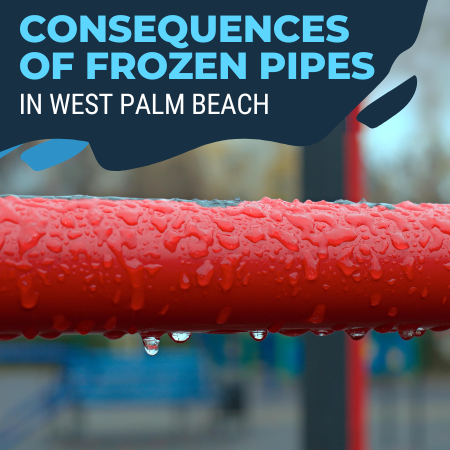
Frozen pipes can have several costly consequences:
- Water Damage: When a pipe bursts, it can release hundreds of gallons of water into your home. This can lead to extensive water damage, requiring professional restoration services.
- Mold Growth: Excess moisture from a burst pipe can lead to mold growth. Mold can cause health problems and further damage to your home.
- Increased Utility Bills: Repairing and heating your home after a pipe burst can increase your utility bills significantly.
- Disruption to Daily Life: Dealing with the aftermath of a burst pipe can disrupt your daily routine, causing inconvenience and stress.
How to Prevent Pipes from Freezing
Taking preventive steps can save money, time, and aggravation. Maintaining water heaters can help ensure a consistent supply of hot water, which in turn can prevent pipes from freezing. Preventing frozen pipes is crucial to avoid the costly consequences. Below are some practical measures to keep your pipes from freezing:
Insulation
Insulating frozen pipes is one of the most effective ways to prevent them. Pipe insulation is affordable and easy to install. Focus on pipes located in unheated areas of your home, such as basements, attics, and garages. Insulating pipes, especially those in unheated areas like attics and garages, is an excellent first step. You can use foam pipe insulation or even electrical heating tape designed for plumbing to keep pipes warm. Maintain the water heaters to keep a consistent hot water supply in your home.
Sealing Leaks
Cold air can seep into your home through cracks and gaps, leading to frozen pipes. Ensure any leaks are properly sealed, especially those near plumbing running through exterior walls.
Allow Faucets to Drip
During extremely cold weather, let your faucets drip slightly. This keeps the water moving within the pipes, reducing the chance of freezing. Pay special attention to faucets connected to pipes in unheated areas.
| Measure | Benefit |
|---|---|
| Pipe Insulation | Keeps pipes warmer |
| Sealing Leaks | Prevents cold air from reaching the pipes |
| Letting Faucets Drip | Keeps water moving, reducing freezing risk |
Keep Your Home Warm
Maintaining a consistent temperature in your home can help prevent frozen pipes. Set your thermostat to at least 55°F (13°C) even when you are not at home. This ensures that the water inside the pipes remains above freezing.
Seal Cracks and Openings
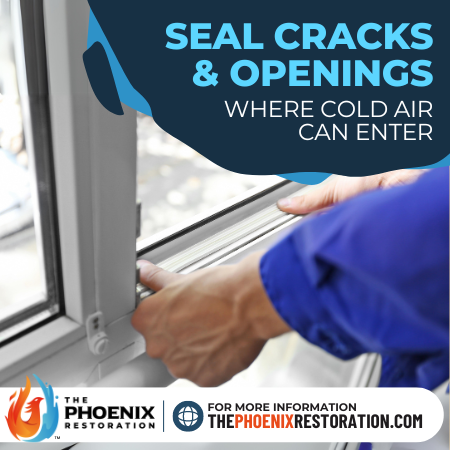
Inspect your home for cracks or openings where cold air can enter. Use caulk or insulation to seal these gaps, especially around windows, doors, and pipe openings. Leaky pipes in your water line can cause headaches if you do not address them immediately.
Disconnect Outdoor Hoses
Before winter arrives, disconnect and drain outdoor hoses. Close the indoor valves that supply water to outdoor faucets and leave the outdoor faucets open to allow any remaining water to expand without causing damage.
What to Do if Your Pipes Freeze or Burst
If you suspect a pipe has frozen, acting quickly is essential, as it could lead to a plumbing emergency. Here’s what you can do:
Turn Off the Water Supply
Locate the main water shut-off valve and turn it off to prevent water from causing damage once the pipe thaws. In cases of frozen pipes, it is crucial to consider professional repair services to address the issue promptly and efficiently, ensuring your water supply is restored without further damage.
Thaw the Pipe and Seek Professional Repair Services
Use a hairdryer or heat lamp to gradually warm the frozen section. Open the faucet the pipe feeds into so the water can flow as it melts. Do not use open flames or high temperatures that could damage the pipe. Restoration specialists are crucial in handling water damage caused by frozen pipes, ensuring quick and efficient emergency response.
How Frozen Pipes Can Lead to Clogged Pipes
Frozen pipes can also lead to clogged pipes. When water freezes, it can create ice blockages that restrict water flow. This can cause pressure to build up, leading to leaks or bursts. Additionally, debris and sediment can be left behind when the ice thaws, causing clogged pipes.
The Impact of Frozen Pipes on Roof Leaks
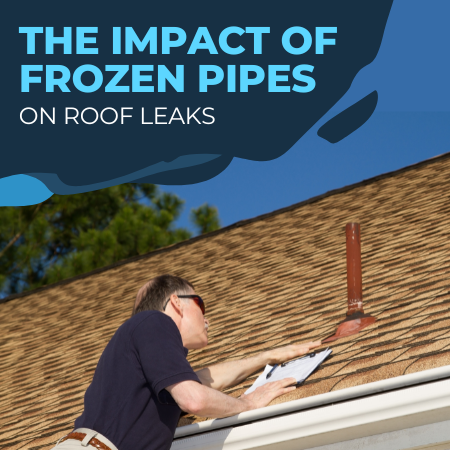
Frozen pipes can indirectly contribute to roof leaks. When pipes burst, the resulting water damage can weaken the structure of your home, including the roof. Water can seep into the ceiling and walls, leading to roof leaks. Addressing frozen pipes promptly can help prevent further structural damage and roof leaks.
Conclusion
Frozen pipes can be a significant concern, even in West Palm Beach’s warm climate. Understanding the risks and taking preventive measures can save you from the headache of dealing with water leaks and subsequent damage. This situation can have costly and disruptive consequences, but you can protect your home with the right preventive measures.
If you ever face such issues, you can rely on The Phoenix Restoration to provide fast, efficient, and professional restoration services. You can contact us at (954) 866-8408 for more details, and we will assess and handle your frozen pipes West Palm Beach.
Water damage? Act fast. Mold can start growing within 24 to 48 hours. Our team provides 24/7 water damage restoration and mold remediation throughout Palm Beach County. Call (954) 866-8408.