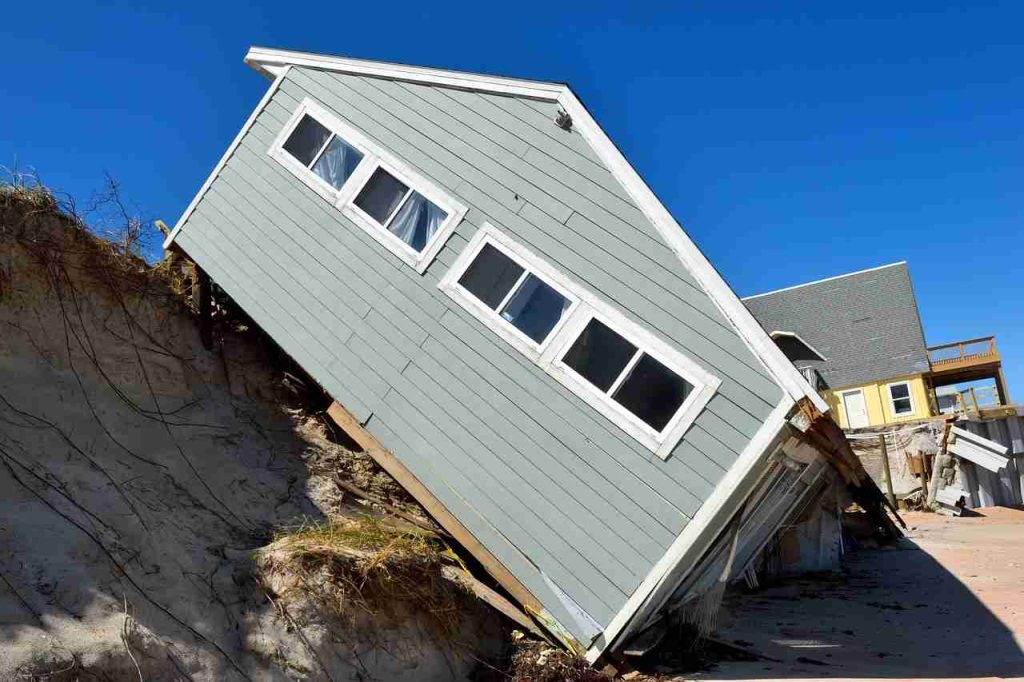
The question, “Which Coastline Will Experience the Most Storm Surge Damage?” addresses a growing concern as changing weather patterns make coastlines more vulnerable than ever.
Imagine yourself on a serene shoreline, enjoying the calm waves—a picture-perfect scene. Yet, hidden beyond the horizon lies the powerful force of nature known as storm surge flooding.
In this guide, we’ll examine various coastlines at high risk, using insights from the National Hurricane Center and recent climate data to understand how storm surges impact diverse regions.
Understanding Which Coastline Will Experience The Most Storm Surge Damage
Storm surge is a powerful, often underestimated force of nature, and its impact goes far beyond coastal erosion.
A hurricane storm surge results when the intense winds and pressure of a storm push large volumes of water toward the coast, creating a sudden and often catastrophic rise in sea level.
What is Storm Surge
A storm surge is the abnormal rise of seawater above the usual high tide, pushed ashore by hurricane-force winds or other strong weather systems.
The combination of wind, pressure, and tidal patterns during events like severe storms can turn a tranquil coastline into a flooded disaster zone, impacting homes, businesses, and ecosystems.
Factors Contributing to the Formation of Storm Surge
Storm surges are not random; they rely on several elements converging. From the storm’s intensity and forward speed to the angle at which it approaches the coastline, these factors collectively determine the surge’s strength.
The shape of the ocean floor and coastal slope also impact how deep and far storm surge flooding penetrates inland.
How Climate Change Influences Storm Surge
Climate change is reshaping our coastlines, increasing the frequency and intensity of devastating hurricanes and, in turn, the severity of storm surges. Rising sea levels provide a higher baseline for storm surges to build upon, creating more extreme inland flooding scenarios.
Rising Sea Levels and Their Role in Storm Surge
Higher sea levels amplify the impact of storm surges. With a baseline sea level now higher than decades past, storm surges are more likely to reach further inland, posing threats to previously safer areas. This effect worsens as hurricane winds propel water higher up onshore, leading to larger areas at risk of flooding.
Increased Storm Intensity
With warmer oceans, storms like tropical cyclones and hurricanes are growing more intense. These tropical storms often carry faster winds and higher storm tides, resulting in more powerful surges.
Atlantic Coastline and Storm Surge Damage
Straddling the heart of ‘hurricane alley’, the Atlantic coastline carries a significant vulnerability to storm The East Coast has historically suffered from significant storm surges, primarily due to its flat geography and dense population centers along the shoreline.
Geographical Vulnerability of the Atlantic Coastline
The Atlantic coast, particularly in the southeastern United States, has large stretches of flat, low-lying land, making it highly susceptible to surges. Major cities like Miami and New York are particularly at risk because of their elevation and proximity to the ocean.
Historical Data and Future Forecasts for the Atlantic
With infamous storms such as Hurricane Sandy and Hurricane Katrina, the Atlantic Coast has endured some of the worst storm surge events on record. The National Hurricane Center warns that rising sea levels could worsen future surges. So, as climate change continues, the likelihood of more intense storm surges on the Atlantic side increases.
Gulf Coast and Storm Surge Damage
Like the Atlantic Coast, the Gulf Coast also bears a high vulnerability to storm surge due to its geographical location. The Gulf of Mexico is known for its warm waters and exposure to frequent hurricanes, making it one of the most surge-prone areas in the world.
Vulnerability of the Gulf Coast
The Gulf Coast consists of several low-lying areas and barrier islands, making it particularly susceptible to the damaging effects of storm surges. New Orleans, lying below sea level, is also a significant concern.
Recorded Storm Surge Events in the Gulf Coast
The Gulf Coast has witnessed several devastating storm surges in history. Hurricane Katrina, which hit the Gulf Coast in 2005, produced one of the highest storm surges ever recorded, leading to significant loss of life and property.
Impact Forecast for the Gulf Coast Region
Given the prevalent conditions of sea-level rise and increasing storm intensity due to climate change, the propensity for storm surge damage along the Gulf Coast is likely to escalate in the future.
Pacific Coastline and Storm Surge Damage
The Pacific coast presents a unique topography that includes low-lying beaches and high cliffs. Although hurricanes impact it less than the Atlantic and Gulf coasts, it’s still vulnerable to storm tides and coastal flooding events.
Susceptibility and Historical Events
While the Pacific coast experiences fewer hurricanes, it’s still impacted by storm surge flooding, particularly during tropical storms and winter events. This region’s varying elevations can offer some protection, but the low-lying areas are still highly susceptible to inland flooding during severe weather.
Caribbean Coastline and Storm Surge Damage
The fact is, storm surge isn’t only a concern for large landmasses but also for smaller islands such as those in the Caribbean.
Geographical Risks for the Caribbean
The Caribbean region is especially susceptible to storm surges. A cluster of low-lying islands in hurricane-prone waters, the islands can rapidly become inundated, with little elevation to stop or slow the seawater.
Past Storm Surge Impacts in the Caribbean
The Caribbean region has a long history of destructive storm surges. In recent history, hurricanes like Maria and Irma caused extensive damage, including to vital infrastructure and natural resources.
With storm surges becoming more frequent and intense, the Caribbean is expected to face continued challenges as sea levels rise and hurricanes grow stronger.
Predicted Future Risks for Caribbean Coasts
With climate change trends, the possibility of stronger hurricanes and heightened sea levels indicate a potentially devastating storm surge outlook for the Caribbean. Without pertinent adaptation and mitigation measures, the region could face significant damage and loss of life.
Indian Ocean Coastline and Storm Surge Damage
The Indian Ocean coastline, with high population densities and extensive low-lying coastal areas, is increasingly at risk from intensifying storm surges.
Susceptibility of the Indian Ocean Coastline
While the Indian Ocean is known for its picturesque beaches, those same flat, low-lying areas make the coastal communities vulnerable to storm surges. Plus, these communities often lack the resources for adequate protection measures, making them even more vulnerable.
Storm Surge History in the Indian Ocean
The Indian Ocean is no stranger to storm surge events, with cyclones frequently forming in its warm waters. The deadliest storm surge in history occurred here during the 1970 Bhola cyclone, leading to significant loss of life in Bangladesh.
Future Damage Predictions for the Indian Ocean Coast
In the future, due to changing climatic conditions, population growth, and continued development along the coastline, storm surges may impose escalating threats to these coastal regions — likely leading to more significant property damage, economic loss, and potential loss of life without appropriate intervention and preparedness strategies.
Arctic Ocean Coastline and Storm Surge Damage
Although it might seem unlikely, even the cold, remote Arctic Ocean coastline is at risk from storm surges.
Vulnerability of the Arctic Coastline
While typically ice-covered, the Arctic coastline is becoming more exposed due to melting polar ice from rising global temperatures — making it increasingly vulnerable to storm surge events.
Documentation of Arctic Storm Surge Events
With fewer communities in its vicinity, there’s less data on Arctic storm surges. However, with the ice cover reducing each year, the occurrence and impacts of storm surges are set to increase.
Storm Surge Risk for the Arctic in the Future
With a fast warming rate, the Arctic is undergoing intense changes. As ice recedes, areas previously protected are now exposed to the surges. This not only affects the native communities but also disrupts local ecosystems.
Technological Innovations Predicting Storm Surge Damage
The technological front is also being used to combat the damage caused by storm surges. Meteorological data collection has made great strides in recent years.
Advanced satellites, buoys, drones, and ground-based radar systems now provide real-time, accurate data about incoming storms and their potential surge impact.
Improvements in Storm Surge Modelling
This collected data feeds into increasingly sophisticated storm surge models to predict the height and extent of surges more accurately. These models also consider factors like sea-level rise and storm intensity to help communities better prepare for incoming threats.
Role of Artificial Intelligence and Machine Learning
Artificial intelligence and machine learning have started to play a significant role in storm surge prediction. By analyzing historical storm data and current weather conditions, these sophisticated systems can predict storm strength, track, and potential surge levels with increasing accuracy, thus helping to mitigate damages effectively.
Improving Coastal Resilience to Withstand Storm Surge Damage
Despite storm surges resulting in destruction and loss, we can learn and put measures in place to minimize these effects.
Importance of Coastal Management
Coastal management plays a vital role in storm surge defense. Proper planning can include building codes that require stronger structures and zoning laws to keep new developments away from high-risk areas.
Role of Engineered Structures
Engineered structures like sea walls, breakwaters, and levees can all help to reduce the impact of a storm surge. These structures are designed to break up the surge’s energy and reduce its height, helping to protect inland areas.
Value of Natural Habitats and Ecosystems
Nature itself provides powerful protection against storm surges. Healthy ecosystems such as mangroves, seagrass beds, and coral reefs can reduce the energy of storm surges and reduce their impact. Protecting and restoring these habitats should be a priority in all coastal areas.
Conclusion: Reducing Storm Surge Risks
However, we can mitigate some of the worst effects by adopting improved technology, enforcing building standards, and preserving natural barriers.
Recognizing the threat and taking proactive measures can mean the difference between disaster and resilience for our precious coastlines.
In evaluating which coastline will experience the most storm surge damage, it’s clear that no coastline is entirely safe from the potential damage of a surge.