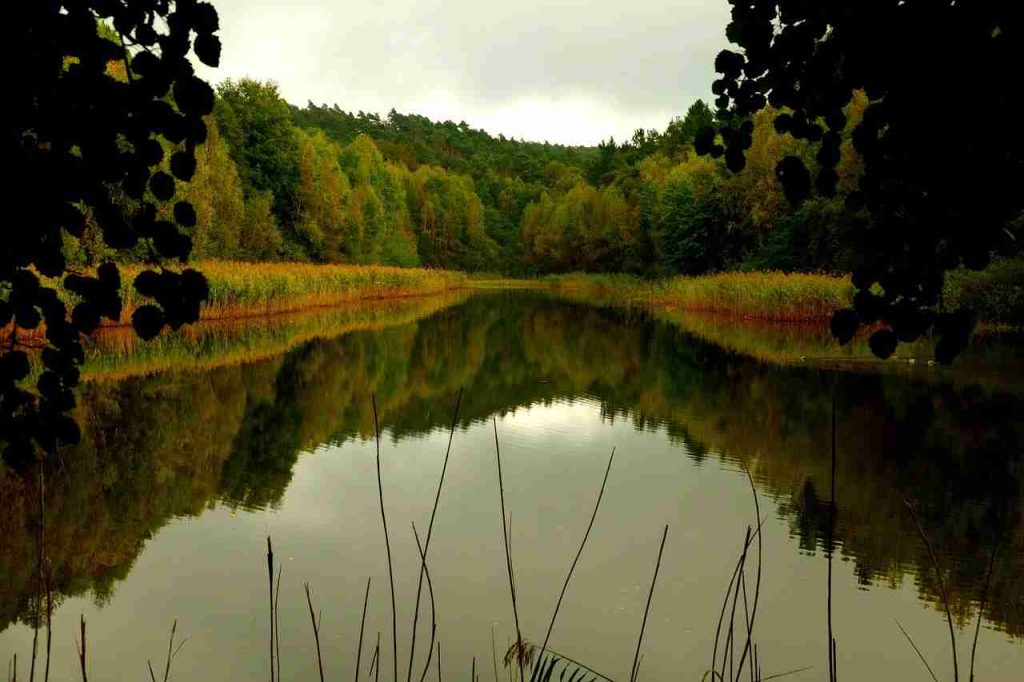
Knowing the meaning of stagnant water is vital because, whether you’re a casual hiker or an avid outdoors enthusiast, you’ve likely come across bodies of still, unmoving water during your ventures.
You may find it fascinating that these often overlooked waters can serve as vital habitats, brimming with life and potential. So, let’s explore on this intriguing topic.
Definition and Meaning of Stagnant Water
At its core, stagnant water is simply water that has been sitting still without flowing or moving for a significant amount of time. This contrasts with flowing water, which is constantly refreshed and aerated.
Imagine a stagnant pool in your neighborhood or water trapped in a container; these bodies lack the benefits of movement, making them less vibrant. They are commonly found after natural disasters or after water or fire damage.
According to various dictionaries, stagnant water refers to water that is not flowing. This condition leads to stagnation, which denotes a state of being static, not advancing or progressing—perfectly illustrating the state of stagnant water.
Scientific Explanation
Stagnation occurs when water ceases to flow or is blocked from flowing due to barriers, whether natural or man-made. Over time, stagnant water undergoes biological, chemical, and physical changes. It can become a breeding ground for bacteria and insects, while the oxygen content diminishes as the organisms within consume it.
Physical Characteristics of Stagnant Water
Color and Odor
Often, stagnant water appears darker and murkier due to the accumulation of decaying plant material, algae, and sediments. You might notice it has a musty or foul odor—this is due to the breakdown of organic materials and gases like methane and hydrogen sulfide being produced.
Temperature and Visibility
Stagnant water tends to be warmer because it absorbs more sunlight without the cooling effects of movement. Visibility is often poor due to suspended particles and an overgrowth of algae, making it difficult to see through the water.
Types of Sediments Present
Sediments in stagnant water typically include decaying matter, silt, and pollutants like heavy metals. This buildup can create an environment less than ideal for aquatic life.
Biological Characteristics of Stagnant Water
Microorganisms Present
Stagnant water often teems with microorganisms, including bacteria, protozoa, and viruses. While some microorganisms, like certain bacteria and algae, can help clean the water, others can pose serious health risks, leading to diseases such as cholera.
Algae and Other Plant Growth
Algae often flourish in stagnant water due to the high nutrient levels, resulting in green layers on the surface. In extreme cases, this can lead to oxygen depletion, threatening the survival of aquatic life.
Insects and Animal Species Living in Stagnant Water
Stagnant water ecosystems can host a variety of insects, such as mosquitoes and water beetles. Some mammals, amphibians, and reptiles are also drawn to these environments for breeding and hunting.
Chemical Composition of Stagnant Water
Minerals and Nutrients
Stagnant water can accumulate minerals and nutrients from surrounding land runoff, such as nitrogen and phosphorus. This accumulation can affect water quality and promote excessive algae growth.
Polluting Substances
Stagnant water is prone to accumulating pollutants, including pesticides and heavy metals, particularly in areas with human activity. These contaminants pose risks to both aquatic ecosystems and public health.
Oxygen Levels
As time passes, oxygen levels in stagnant water typically drop, making it increasingly uninhabitable for many aquatic species.
Causes of Water Stagnation
Natural Causes
Natural topographical features, like flat or low-lying areas, can create conditions conducive to stagnation. These areas often form ponds or wetlands that do not drain efficiently.
Manmade Causes
Human activities, such as blocked drainage systems or poorly designed water storage methods, can exacerbate stagnant conditions. Construction that alters natural drainage can also contribute to these issues.
Effects of Weather and Climate Change
Changes in weather patterns can lead to stagnation. For example, prolonged rainfall may cause water to collect in unusual areas, while drought can reduce river flow.
Public Health Risks Associated with Stagnant Water
Waterborne Diseases: Stagnant water can become a breeding ground for disease-causing organisms and insects, increasing the risk of waterborne diseases like malaria and cholera.
Breeding Ground for Pests: It is an ideal habitat for pests, particularly mosquitoes, which can transmit various human diseases.
Role in Disease Transmission: In regions with inadequate sanitation, standing water can significantly contribute to disease transmission, highlighting the need to manage stagnant water bodies properly.
Preventing and Controlling Water Stagnation
Structural Solutions
Infrastructure must promote effective drainage to mitigate stagnant water. This might include proper design of water storage systems and maintenance of drainage systems to prevent blockages.
Chemical Treatments
Chemical treatments, like chlorine for killing harmful microorganisms and algaecides to control algae growth, can also help manage stagnant water.
Biological Controls
Biological methods, such as introducing species that prey on pest populations, can be effective. For instance, Gambusia fish eat mosquito larvae, offering a natural way to control populations.
Effects of Stagnant Water on Physical Structures
Material Degradation: The dampness associated with stagnant water can lead to metal corrosion and wood rotting, posing risks to infrastructure.
Potential for Flood Damage: When water accumulates around buildings, it can seep into foundations, leading to structural weaknesses and, in severe cases, flooding.
Legal and Regulatory Issues Around Stagnant Water
Local Laws and Regulations
Local laws may restrict practices that encourage stagnant water due to associated public health risks. Non-compliance can result in penalties.
National Policies and Guidelines
Broader national water management guidelines often address water stagnation prevention, underscoring its significance for public health and safety.
Conclusion
They can be rich in life but also pose significant risks, from public health concerns to structural vulnerabilities. By taking proactive measures, we can mitigate the dangers associated with stagnant water while recognizing its role in our ecosystems.
In conclusion, understanding the meaning of stagnant water provides insight into the complexities of these often-overlooked bodies.
Water damage? Act fast. Mold can start growing within 24 to 48 hours. Our team provides 24/7 water damage restoration and mold remediation throughout Palm Beach County. Call (954) 866-8408.