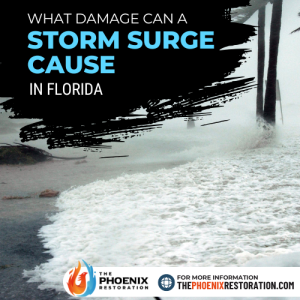
What Damage Can A Storm Surge Cause in Florida? This question holds significant weight, especially for those living near the coast.
As you enjoy Florida’s stunning beaches and vibrant sunshine, you must be aware of the risks of coastal living. While the ocean’s beauty is undeniable, it can also be dangerous when the waters rise during a storm.
Storm surges are some of the most destructive forces accompanying hurricanes, causing severe damage to homes, infrastructure, and even lives.
Let’s explore the causes, effects, and precautions of these powerful natural disasters so we can be prepared when nature strikes.
What Damage Can A Storm Surge Cause in Florida?
So, what exactly is a storm surge? In simple terms, it’s a rise in sea level caused by powerful storms, especially hurricanes. This rise occurs when the storm pushes ocean water toward the coast, piling up above the usual tidal levels.
The severity of the surge depends on several factors, such as wind speed, atmospheric pressure, storm size, and the shape of the coastline.
How storm surge forms
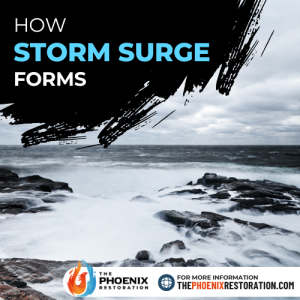
A storm surge forms due to a combination of factors. High winds and low pressure at the storm’s center cause water to pile up on the ocean surface and push it toward the coast. This phenomenon can be further intensified if the storm moves quickly or is of significant size.
History of storm surges in Florida
Florida, with its long stretches of coastline on both the Gulf Coast and East Coast, is particularly vulnerable to storm surge flooding. The state has experienced some of the most significant surges in U.S. history.
Hurricane Katrina and Andrew have left behind trails of destruction, showcasing the intense impact that storm surges can have when combined with hurricane winds.
Physical Damage from Storm Surges
When a storm surge combined with hurricane-force winds hits, the damage can be overwhelming. The surge can destroy homes, rip apart roads, and severely damage utilities. Coastal properties are especially at risk because they often bear the brunt of the water being pushed toward the shore.
Impact on Buildings and Infrastructure
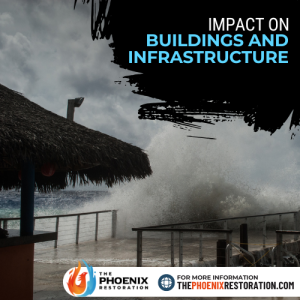
The sheer power of a storm surge can uproot buildings and shift foundations. Structures in its path are often reduced to rubble. Roads and bridges can be washed away, disrupting transportation for weeks or even months.
Effect on Utilities and Services
Beyond physical structures, utilities like power and water are also affected. Hurricane winds may down power lines, while water supplies can become contaminated, leaving entire regions without safe drinking water or functioning wastewater systems.
Damage to Transportation Systems
Major transportation systems, including coastal highways, can be submerged or blocked by debris, making evacuating or delivering aid difficult. This damage complicates rescue and recovery efforts in the immediate aftermath of a storm.
Environmental Impact of Storm Surges
Not only do humans feel the wrath of a storm surge, but the environment also pays a heavy price. Storm surges, such as mangroves, dunes, and beaches, often severely impact coastal habitats. Coastal erosion can destroy nesting sites and drastically alter the landscape.
Soil erosion and sediment displacement
In addition to coastal regions, inland areas can suffer from soil erosion and sediment displacement. This can destabilize plant life, impact local streams and rivers, and degrade water quality.
Impact on wildlife and ecosystems
The repercussions for wildlife can be disastrous. Many species lose their habitats, while others may perish due to the drastic changes in their environment or the direct impact of the surge itself.
Economic Fallout of Storm Surges
The economic toll of storm surge flooding is staggering, often taking years to recover. Local businesses, particularly those in coastal areas, often bear the brunt of the damage caused by storm surges. Depending on the severity of the damage, some businesses may never reopen.
Impact on tourism
Tourism, a significant economic driver in Florida, can suffer tremendously after a storm surge. Damage to infrastructure and natural attractions can deter visitors, leading to a sharp drop in tourism revenue.
Cost of recovery and rebuilding
The cost of recovery and rebuilding after a storm surge can be immense. These costs include infrastructure repair and rebuilding and the expenses involved in cleanup, debris removal, and temporary shelter for displaced residents.
Health Consequences of Storm Surges
The challenges don’t end once the water recedes. Storm surges can have severe implications for public health and pose a significant risk to human life. Individuals may become injured or trapped in their homes and, in worst-case scenarios, lose their lives in the storm.
Health risks from contaminated water and lack of sanitation
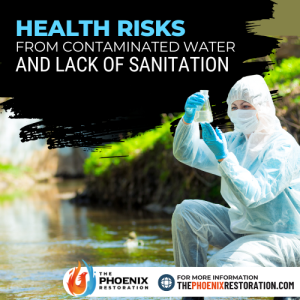
The contamination of freshwater sources and compromised sanitation facilities can lead to various illnesses, such as cholera, hepatitis, and other waterborne diseases.
Mental health effects of storm-related trauma
The trauma of experiencing a storm surge and its aftermath can lead to stress, anxiety, and other mental health issues.
Agricultural Impact of Storm Surges
Agriculture, too, bears the brunt of storm surges. The saltwater intrusion from a storm surge can wreak havoc on crops and farmland, resulting in substantial losses for farmers.
Livestock can not only be lost to the floodwaters but can also endure stress and suffer from diseases related to the aftermath of the storm.
The long-term implications for agriculture after a storm surge can be grim. Depending on the extent of the damage, it might take years for the agricultural sector to recover fully.
Storm Surge Mitigation Practices
Despite the destructive potential of storm surges, there are steps you can take to mitigate their impact.
Existing coastal protective measures
Coastal protective measures, such as sea walls, storm surge barriers, and restored wetlands, can help limit the damage caused by storm surges.
Flood insurance is essential in Florida, especially during hurricane season. It doesn’t stop the damage but can help families and businesses recover financially after a storm surge.
Many Florida communities have implemented resilience programs to educate residents on preparation strategies. These include evacuation plans, securing property, and understanding storm intensity warnings from the National Hurricane Center.
Storm Surge and Climate Change
Unfortunately, climate change adds another layer of complexity to the issue of storm surges. Global warming can exacerbate storm surges. Rising sea levels and hotter sea surface temperatures, both due to climate change, can contribute to these increased surges.
Predicted future trends of storm surges in Florida
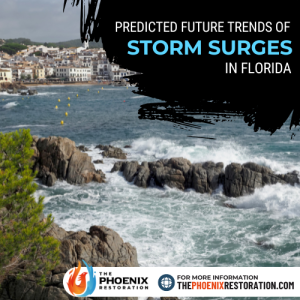
Predicted climate change patterns suggest that Florida may experience increasingly severe storm surges. This is due to the warming sea surface temperatures, rising sea levels, and potentially more potent, frequent tropical cyclones.
Efforts to combat the implications of climate change
Efforts are being made to mitigate the impacts of climate change, both globally and locally. This includes implementing green policies, promoting renewable energy, and protecting and restoring natural buffers like wetlands and mangroves.
Navigating Post-Storm Surge Recovery
Recovery after a storm surge is challenging, but you’re not alone. Preparation is key. Having an evacuation plan, securing belongings, and keeping informed about upcoming storms can make a big difference. After the event, assessing the damage, seeking assistance if needed, and starting the rebuilding process are crucial.
Role of local and federal government in cleanup and restoration
Local and federal governments play pivotal roles in the cleanup and restoration process after a storm surge. They provide resources, financial aid, and leadership in coordinating response and recovery efforts.
Long-term recovery challenges and strategies
Long-term recovery requires patience, determination, and resourcefulness. It includes physical and psychological recovery and social rebuilding within the community.
The destruction of homes and businesses and the severe environmental impact on wildlife and ecosystems show how far-reaching the damage can be. By implementing protective measures and staying informed, you can help safeguard your home and community from the devastating effects of storm surges.
Being prepared is your best defense when facing the damage is your best bet. No more worry about what damage can a storm surge cause in Florida.