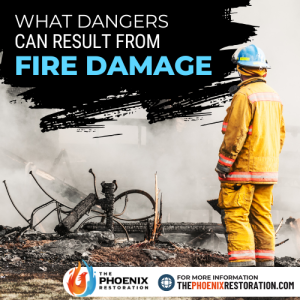
 What dangers can result from fire damage? The aftermath of a blaze can be just as perilous as the fire itself.
Whether it’s a residential or commercial property, the consequences extend far beyond the visible destruction.
The National Fire Protection Association warns that smoke damage is one of the most pervasive issues following a fire.
Smoke can penetrate building materials deep, leaving harmful residues and odors.
These lingering effects aren’t just unpleasant; they can pose serious health risks long after the flames are extinguished.
Understanding What Dangers Can Result From Fire Damage
Fire damage refers to the physical, chemical, and health damages caused by a fire outbreak. It extends to any harm that occurs as a result of a fire incident and includes factors that go beyond the immediate destruction of fire.
Fire damage can range from mild soot build-up to extensive structural damage that can render a property or area uninhabitable or unsafe.
Fire damage is the deterioration or destruction caused by fire to structures, objects, or living beings. This could include burned materials, affected by smoke, or tainted with soot.
Further, the physical aspects of your space are not the only ones that are impacted. Damage can also affect your health and the general environment at large.
Causes of fire incidents
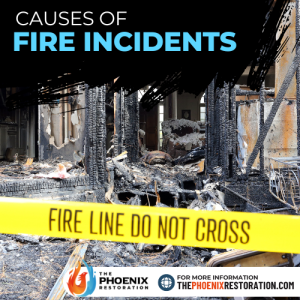
Various causes can cause fire incidents. These include electrical faults, gas leakages, negligence in handling fire or flammable substances, and arson.
Natural causes such as wildfires also play a role. Furthermore, household activities like cooking or misusing heating equipment can lead to fires and, thus, fire damage.
Understanding the extent of damage
The extent of fire damage can vary greatly depending on factors such as the fire’s size, duration, and intensity. It can lead to substantial and irreparable harm, including total property loss.
Also, it can cause less significant but problematic issues, like soot damage and the terrible scent of smoke left behind.
The Immediate Aftermath: More Than Meets the Eye
The visible damage is just the tip of the iceberg after a fire, whether in a residential or commercial property. Smoke damage, for instance, can permeate every nook and cranny of a building, leaving behind unsightly stains and potentially harmful residues.
The National Fire Protection Association warns that these residues can contain toxic substances that pose significant health risks if not properly addressed.
But smoke damage isn’t the only invisible threat. Carbon monoxide, often called the “silent killer,” can linger in poorly ventilated areas even after the fire is out.
This odorless, colorless gas can cause severe health problems or even death if inhaled in high concentrations. It’s crucial to have professionals check for carbon monoxide levels before re-entering a fire-damaged building.
Physical Dangers Post Fire Damage
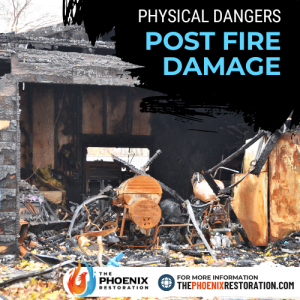
After a fire incident, there are significant physical dangers that one must be aware of when accessing a damaged property or area. Compromised structural integrity is one of the most serious dangers that can result from fire damage.
Fire can weaken building materials in ways that aren’t always visible to the untrained eye. Steel beams can warp, wooden supports can char and weaken, and concrete can become brittle. This structural damage can lead to sudden collapses or failures, putting occupants at serious risk.
It’s not just the obvious burned areas that are concerning. Heat from a fire can travel through walls and affect areas that seem untouched on the surface.
This is why it’s crucial to have a thorough structural assessment done by professionals before declaring a building safe for occupancy.
Risk of structural collapse
Buildings or structures exposed to fire have weakened structural integrity, increasing the risk of collapse. It’s advised not to enter a fire-damaged building until a qualified professional has indicated it is safe to do so.
Possible injuries from debris
Walking around a fire-damaged site might not be safe, as it can lead to injuries from debris, and it’s possible to accidentally step on dangerous objects concealed by soot or ash.
Presence of sharp objects and hazardous materials unmasked by fire
Assessing the area post-fire, you may come across sharp objects that can easily hurt you or hazardous materials released by the fire, which are harmful if inhaled or touched.
Chemical Dangers from Fire Damage
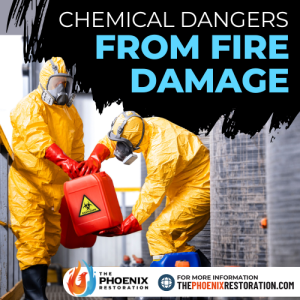
Fire can release various chemicals and toxic substances, making the site significantly unsafe. You might be surprised to learn that fire damage can lead to mold growth. How?
The water used to extinguish the fire can create damp conditions that are perfect for mold to thrive. If not properly dried and treated, affected areas can become breeding grounds for various types of mold within 24 to 48 hours.
Mold growth isn’t just a cosmetic issue. It can cause serious health concerns, especially for those with respiratory issues or weakened immune systems.
Mold exposure can cause symptoms ranging from mild (like stuffy nose and itchy eyes) to severe (such as difficulty breathing and chronic lung illnesses).
Release of hazardous substances
Burning many different materials during a fire releases various toxic and potentially harmful substances. Smoke inhalation when you catch fire poses health concerns.
Possible contamination of air, soil, and water
A fire can seriously impact the environment by contaminating the air, soil, and potentially nearby water sources with toxic chemicals.
Risk of exposure to toxic smoke and fume residues
Residues from toxic smoke and fumes can linger long after the fire has been extinguished, increasing the risk of exposure and potential health problems.
Health Concerns and Psychological Impact
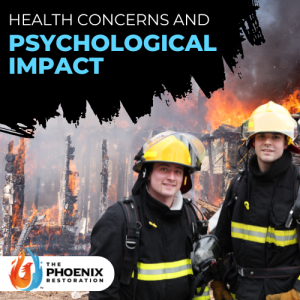
Besides the physical risks, fire damage has emotional and psychological effects. Losing a home or business to fire can be incredibly traumatic.
In addition to health concerns like smoke-related illnesses or exposure to hazardous chemicals, people often experience anxiety, depression, and post-traumatic stress disorder (PTSD) after a fire. Addressing the emotional well-being of those affected is just as important as handling the physical damage.
Impact on the respiratory system
Soot and smoke from a fire can damage your respiratory system and potentially cause chronic health problems.
Risk of burns and skin injuries
Apart from respiratory complications, there’s a risk of burns and severe skin injuries. These can occur during the fire or afterward when dealing with hot or smoldering objects.
Psychological trauma and stress
Fire incidents can also lead to psychological trauma and stress, which can be just as damaging as the physical implications.
Electrical Dangers Following Fire Damage
Post-fire electrical systems are often compromised, increasing the risk of electrocution or further fires.
Risk of electrocution from damaged installations
Damaged electrical installations pose a serious risk of electrocution. Therefore, such installations should be thoroughly inspected and repaired by a professional.
Potential fire from faulty wiring
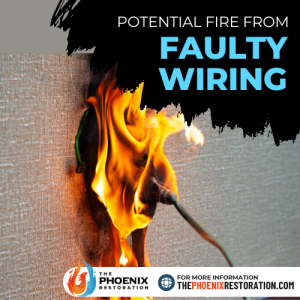
Faulty wiring, if left unattended, could lead to potential fire outbreaks soon after the first one has been put out.
Damage to electronic devices and systems
Finally, fire and subsequent water or chemical use in extinguishing the flames can damage your electronic devices and systems, which can be costly to repair or replace.
Economic and Financial Dangers from Fire Damage
Fire damage can wreak havoc on individuals’ and business owners’ finances.
Loss of property and possessions
A fire’s most immediate financial impact is the loss of property and possessions. Many items may be irreplaceable or hold significant sentimental value.
Expenses for reconstruction
Rebuilding or repairs can be expensive, and for some, this cost can be crippling. It is imperative to have good insurance coverage to mitigate such financial uncertainty.
Possible increase in insurance premiums
In the long term, experiencing a fire can also result in increased insurance premiums, adding to the financial stress.
Environmental Effects of Fire Damage
Fire damage contributes to environmental degradation in several ways. It can also affect air quality. Fire destroys wildlife habitats and can significantly decrease the biodiversity in a particular area.
Emission of greenhouse gases
Fires emit significant amounts of greenhouse gases into the atmosphere, contributing to the ongoing climate crisis.
Consequences for local ecosystems and biodiversity
Lastly, fires can severely affect the balance of flora and fauna, impacting local ecosystems and biodiversity.
Impact on Living Conditions after Fire Damage
Moreover, fire damage can lead to adverse living conditions.
Temporary or permanent displacement: In the aftermath of a severe fire, you may have to be temporarily or even permanently displaced from your home.
Disruption of daily routines and lifestyle: Fire damage and the cleanup, repair, and rebuild process can drastically disrupt your daily routine and lifestyle.
Emotional discomfort and insecurity: Living through a fire can also cause emotional discomfort and insecurity, as you may feel like your safety has been significantly compromised.
Significance of Professional Fire Damage Assessment
After a fire incident, engaging a professional fire damage assessment is critical. Burn injuries are
Determining the extent of the damage
The primary function of a professional fire damage assessment is to evaluate the extent of the damage accurately.
In addition, an evaluation can reveal possible hazards that may not be immediately noticeable to a layperson. Based on the assessment, plans can be made for a comprehensive cleanup and restoration process.
Preventing and Mitigating Dangers from Fire Damage
Learning about these dangers underscores the importance of fire safety measures and recovery best practices.
Importance of fire safety measures
Having effective fire safety measures in place can help prevent fires or at least mitigate their damage when they occur. Regular inspections of buildings and premises to identify and rectify potential fire hazards are crucial.
Necessity of proper cleanup and restoration after fire emergencies
Engaging professional services for proper cleanup and restoration after a fire is vital and can protect against many of the dangers associated with fire damage.
These professionals can help reduce the risk of health problems and further property damage and restore some semblance of normalcy to your life. Here you go, what dangers can result from fire damage to your health, structural and environment.