Roof leak emergencies can strike at any time, leaving homeowners scrambling for solutions. Whether it’s a sudden downpour or a long-overlooked problem, a leaking roof demands immediate attention.
Left unchecked, even a small leak can lead to significant damage, compromising your home’s structure and your family’s comfort.
In this post, we’ll explore four crucial steps you can take right away to address roof leak emergencies and minimize potential damage. These quick actions could save you time, money, and stress in the long run.
Understanding Roof Leak Emergencies
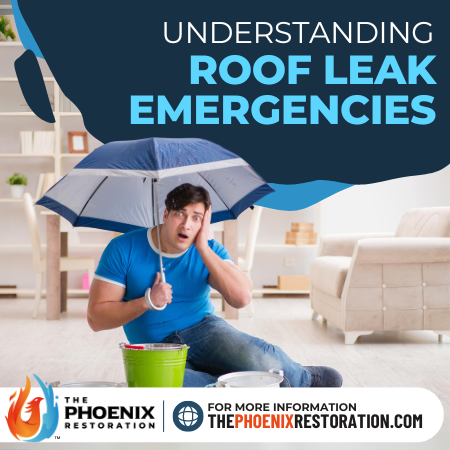
Understanding roof leak emergencies is crucial for any homeowner. When a roof emergency occurs, quick action is necessary to minimize damage.
Emergency roof repairs are often needed to address these urgent issues. Knowing the basics of roof repairs and how to handle them efficiently can make a significant difference.
Dealing with emergency roof situations involves identifying the problem, taking immediate protective measures, and calling in professional help.
By being prepared and informed, you can manage any roof emergency effectively, ensuring the safety and integrity of your home.
What Causes Roof Leaks?
Roof leaks can occur for several reasons. Identifying the root cause of roof damage quickly is crucial for effective intervention.
A leaky roof can quickly turn into a roofing emergency if not addressed promptly. Water intrusion from a damaged roof can cause significant harm to your home’s structure, belongings, and even pose health risks.
Here are some common causes:
- Aging Roofs: As roofs get older, the materials can deteriorate, making them more susceptible to leaks.
- Damaged Shingles: High winds, storms, and falling debris can cause shingles to crack, break, or go missing altogether.
- Flashing Failures: Flashing is used to seal and protect areas where the roof intersects with other structures. When flashing is improperly installed or damaged, it can let water in.
- Blocked Gutters: Leaves, twigs, and debris can clog gutters, causing water to overflow and seep into the roof structure.
- Attic Condensation: Poor ventilation can cause moisture to build up in the attic, leading to mold and weakening the roof’s integrity.
Signs of a Roof Leak
It’s essential to recognize the signs of a roof leak early on to prevent extensive damage. Below are some common indicators of a leaking roof:
| Sign | Description |
|---|---|
| Water Stains | Brown or yellow stains on ceilings or walls. |
| Dripping Water | Puddles or dripping water inside the home. |
| Musty Odors | Persistent, unpleasant smells, often from mold or mildew. |
| Peeling Paint | Bubbled or peeling paint can suggest moisture intrusion. |
| Mold Growth | Visible mold in areas exposed to moisture. |
Immediate Steps to Take During a Roof Leak Emergency
When faced with an emergency roof leak repair, taking prompt action is essential to minimize damage. Knowing the immediate steps to take can help protect your home and ensure a swift resolution to the problem.
In this section, we will outline the crucial actions you should take during an emergency roof leak repair.
 Step 1: Protect Your Belongings
 Step 1: Protect Your Belongings
The first step you should take when you discover a roof leak is to protect your belongings. Move furniture, electronics, and other valuable items out of the affected area. Use plastic covers or tarps to shield immovable objects.
Step 2: Contain the Water
To minimize water damage, you need to contain the leaking water:
- Buckets and Towels: Place buckets or pots under the leak to catch dripping water. Use towels or rags to soak up any water that has already pooled.
- Plastic Sheeting: Lay plastic sheeting on the floor to protect your flooring from water damage.
Step 3: Relieve Water Pressure
If you notice a bulge or bubble forming on your ceiling, this could indicate that water is gathering in one spot.
Carefully poke a small hole in the ceiling to let the trapped water drain into a bucket. This will help relieve pressure and prevent the ceiling from collapsing.
Step 4: Temporary Repairs
Temporary repairs can help mitigate damage during an emergency roof repair until professional help arrives. Here are some quick fixes:
- Roofing Tape or Patches: Use roofing tape or a patch kit to cover small holes and cracks temporarily.
- Tarp: Secure a roof tarp over the affected roof area to prevent further water ingress. Additionally, roofing cement should be applied to seal minor cracks or holes as a temporary measure.
The roof is a top priority for any homeowner’s maintenance list and endures significant wear and tear. Fortunately, minor roof leak issues can often be repaired without professional help.
Preventing Future Roof Leaks
Prevention is better than cure, and this adage holds true for roof leaks as well. Implementing preventive measures can save you from the headache of dealing with emergencies in the future.
Schedule Regular Roof Maintenance & Inspections
Conducting regular roof inspections can help you spot potential issues before they become severe. Aim to inspect your roof at least twice a year, especially before and after the winter season.
Gutter Maintenance
Keeping your gutters clean and free of debris is vital to prevent blockages that can lead to roof leaks. Make it a habit to clean your gutters regularly, particularly after heavy storms or during the fall when leaves are abundant.
Attic Ventilation
Proper attic ventilation can reduce the risk of condensation and moisture buildup. Ensure your attic has adequate ventilation systems in place to maintain the right temperature and humidity levels.
Professional Maintenance
Hiring professionals for routine maintenance can extend the lifespan of your roof. Experts can spot and fix minor issues before they escalate into significant problems.
Handling Water and Roof Damage from Roof Leaks
Despite your best efforts, water damage from emergency roof leaks can sometimes be inevitable. Understanding how to handle water damage is crucial for safeguarding your home.

In cases of severe damage, emergency repair services are essential to prevent further deterioration and ensure the safety of your property.
Assessing the Damage
Begin by assessing the extent of the water damage. Identify areas where water has penetrated and the kind of damage it has caused (e.g., soaked insulation, damaged walls, flooring).
Drying Out
Drying out the affected areas is critical to prevent mold growth and further structural damage:
- Fans and Dehumidifiers: Use fans and dehumidifiers to speed up the drying process.
- Remove Wet Materials: Remove soaked carpets, furniture, and other materials that can hold moisture.
Mold Prevention
Mold can start growing within 24-48 hours of water exposure. Therefore, taking steps to prevent mold is essential:
- Disinfect: Use household disinfectants to clean and sanitize affected areas.
- Anti-Mold Treatments: Apply anti-mold treatments to prevent mold spores from taking root.
How To Deal with Insurance Claims
Filing an insurance claim for emergency roof repair services can help cover the costs of repairs and replacements. Here’s how to navigate the process effectively:
Make a detailed list of affected items and areas. In the event of a roof repair emergency, it’s crucial to assess the situation promptly to prevent further damage.
Document the Damage
Take photos and videos of the damage to serve as evidence when filing your claim. Make a detailed list of affected items and areas.
Contact Your Insurance Company
Reach out to your insurance provider as soon as possible to inform them about the damage. Provide them with all necessary documentation and follow their guidelines for submitting a claim.
Get Professional Estimates
Get the roof repair estimate from a licensed roofing contractor, and the water damage estimate from a restoration company like The Phoenix Restoration. Submit these estimates to your insurance company to support your claim.
The Role of Emergency Roofing Services
In a roofing emergency, emergency roofing services can provide quick and effective solutions to prevent further damage to your home.
These services are available 24/7 and can help stabilize your roof until permanent repairs can be made.
Temporary Repairs
Emergency roofing services can perform temporary repairs to stop leaks and prevent further damage. This may include tarping the roof, patching holes, or reinforcing weakened areas.
Professional Assessment
These services also provide a professional assessment of the damage and recommend the best course of action for permanent repairs. This ensures that the repairs are done correctly and your roof is restored to its original condition.

Calling in the Professionals
While temporary repairs can provide immediate relief, it’s essential to contact professionals for emergency repairs to ensure a permanent solution.
The Phoenix Restoration offers emergency roof tarping to help keep water out, plus water damage restoration inside the home.
Hiring a qualified roofing contractor can help you navigate severe roof damage and ensure proper repairs and maintenance.
Conclusion
Roof leak emergencies can be stressful, but knowing how to handle them can make a significant difference.
By taking immediate steps to protect your home, reaching out to professionals for repairs, and implementing preventive measures, you can minimize damage and safeguard your property for the long term.
Remember, while DIY solutions can help in the short term, professional intervention is crucial for properly diagnosing and fixing the underlying issues of a damaged roof.
Regular maintenance and prompt attention to minor problems can go a long way in preventing major roofing emergencies.
Stay dry and worry-free by being prepared for any roof leak emergencies that come your way!