Residential leak detection is crucial for preventing water damage and saving money in your home. From burst pipes to slow drips, undetected leaks can lead to costly repairs and wasted resources.
Fortunately, modern technology offers homeowners simple and effective solutions for identifying potential problems early.
In this post, we’ll explore easy steps for finding and addressing leaks, including the use of affordable water leak detectors and smart leak detectors.
Whether you’re concerned about burst pipes or just want to keep an eye on your water usage, these methods will help you protect your home and reduce unnecessary expenses.
Understanding the Importance of Residential Leak Detection

Residential leak detection is crucial for preserving your home and ensuring the health and safety of everyone living in it. Whether caused by plumbing leaks or issues with your sump pump, early intervention is key.
An affordable water leak detector can help you identify leaks early, preventing damage and costly repairs.
So, how do you detect and address these leaks before they become bigger problems?
Let’s explore everything you need to know about residential leak detection, including how to use leak sensors and deal with issues like frozen pipes and plumbing leaks.
Why Leaks Are More Than Just an Inconvenience
A minor water leak might seem like a simple annoyance at first, but if not addressed promptly, it can quickly escalate into a major issue.
Water leaks can lead to severe structural damage to your home, mold growth, and increased water bills. Early detection can save you from costly repairs and potential health risks.
Key Signs of a Water Leak in Your Home
Water leaks can cause significant damage if not detected early. Awareness of the key signs of a water leak in your home is crucial.
From plumbing leaks to hidden drips, understanding these signs can save you time and money. Advanced technologies, such as leak sensors and smart devices, are essential in identifying and preventing water damage.
Unexplained Increase in Water Bills
One of the first indicators of a potential water leak is an unexplained rise in your water bill. If you notice a significant increase without a corresponding rise in water usage, it’s time to investigate further.
Sound of Running Water
Hearing water running or dripping when all your faucets and fixtures are turned off is a strong signal that you might have a hidden leak.
Damp or Wet Spots
Look for damp spots on walls, ceilings, or floors. These can indicate a leak within your plumbing system. Sometimes, these spots can even develop mold, creating health risks for your household.
Low Water Pressure
If you notice a sudden drop in water pressure, it could be due to a leak in your plumbing system. Low water pressure can make daily activities more difficult and also suggest that water is escaping your pipes elsewhere.
Mold and Mildew
Mold and mildew thrive in moist environments. If you notice mold growth, particularly in areas where water should not be present, it’s time to consider a possible leak.
Common Areas Prone to Leaks
Kitchens and Bathrooms
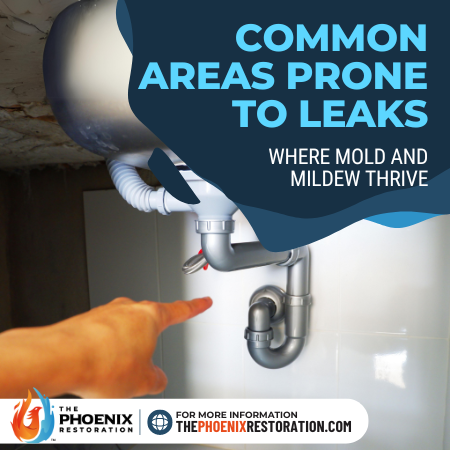
These areas are hot spots for leaks due to the high concentration of plumbing fixtures. Regularly check under sinks, around faucets, and near appliances like dishwashers and washing machines.
Water Heaters
Water heater leaks can cause significant damage. Inspect your water heater regularly for signs of corrosion, leaks, or other issues.
Basements and Crawl Spaces
Basements and crawl spaces are often overlooked but can harbor hidden leaks. Check these areas periodically for dampness, mold, or standing water.
Roofs and Attics
Roof Leaks can lead to significant damage to your home’s structure. Inspect your roof and attic for signs of water infiltration, especially after heavy rain.
How to Perform Basic Residential Leak Detection
Check Your Water Meter
One of the easiest ways to determine if you have a water leak is to check your water meter. Turn off all water-using appliances and fixtures in your home, and then check the meter. If it continues to run, you likely have a leak.
Test the Toilet
Toilets are common culprits of water leaks. Add a few drops of food coloring to the toilet tank and wait 10-15 minutes. If the color shows up in the bowl, you have a leak.
Inspect Visible Pipes
Take a look at the visible pipes under your sinks and behind your appliances for any signs of corrosion, moisture, or leakage.
Use a Moisture Meter
A moisture meter can help you detect hidden leaks in walls, floors, and ceilings. This device measures the moisture content and can indicate areas with possible water damage.
Keep an Eye on Your Water Heater
Leaks from your water heater are often easy to spot. Check around the base for any standing water or corrosion.
Professional Leak Detection Methods
While some leaks are easy to detect, others require the expertise of a professional. Here are some methods you can use to detect leaks in your residential property.
Infrared Thermography
Infrared cameras can detect temperature variations in your home, identifying damp areas that might be invisible to the naked eye.
Acoustic Leak Detection
This method uses specialized equipment to listen for the sound of water escaping from pipes. Acoustic devices can pinpoint even the smallest leaks.
Smoke Testing
Smoke testing involves injecting non-toxic smoke into your plumbing system. The smoke will escape through any leaks, making them easy to locate.
Video Camera Inspection
A small, waterproof camera is inserted into your plumbing system. The footage helps identify leaks, blockages, and other issues that need to be addressed.
What to Expect During a Professional Leak Detection Visit
 Initial Assessment
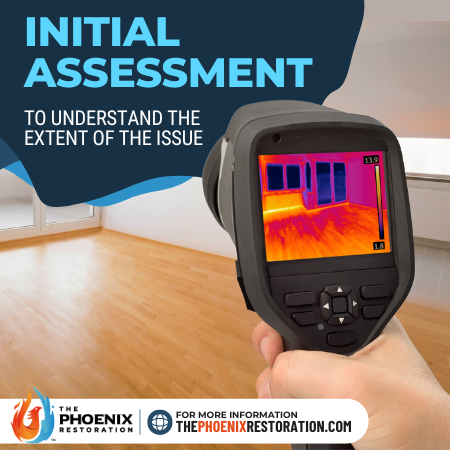 Initial Assessment
Our team will conduct an initial assessment to understand the extent of the issue. This may include asking questions about any signs you’ve noticed and visually inspecting the suspected areas.
Advanced Detection Techniques
We use advanced detection techniques such as infrared thermography, acoustic devices, and smoke testing to pinpoint the leak’s exact location.
Detailed Report
After identifying the leak, we provide a detailed report outlining the findings and recommended repair steps. This report helps you understand the issue and our proposed solution.
Repair and Restoration
Once the leak is located, our team will perform the necessary repairs using high-quality materials and techniques. We also address any related damage, such as mold or water damage, to restore your home to its original condition.
Steps After Detecting a Leak
Discovering a leak in your home can be alarming, but taking immediate action is crucial to minimize damage. Once a leak is detected, it’s essential to follow specific steps to address the issue effectively.
Modern systems can sometimes automatically shut off the water supply to prevent further damage. However, it’s often necessary to consult a leak detection specialist to thoroughly assess and repair the problem.
Shut Off the Water Supply
The first step is to turn off the main water supply to prevent further damage. Knowing where your main water valve is located can save you time and minimize potential destruction.
Contact a Professional
Reach out to a professional leak detection and repair service. Professionals use an advanced leak sensor to detect issues.
Repair the Leak
Our team will repair the leak and address any related issues, such as mold or water damage. We use advanced techniques and high-quality materials to ensure a lasting fix.
Prevent Future Leaks
After repairing the leak, it’s crucial to take steps to prevent future leaks. Regular maintenance and inspections can catch potential issues before they become major problems.
Preventative Measures for Residential Leak Detection
Preventing water leaks before they start is essential for maintaining a safe and efficient home. By taking proactive steps, you can avoid the costly repairs and damage leaks can cause.
Implementing preventative measures not only protects your property but also ensures the well-being of everyone living in it.
Regular Inspections
Routine inspections by a professional can help identify potential issues before they become major problems. Schedule regular maintenance to keep your plumbing system in top condition.
Install Leak Detection Devices
 Install Leak Detection Devices
Consider installing leak detection devices that can alert you to the presence of water where it shouldn’t be. These devices can be placed near Water Heaters, under sinks, and in vulnerable areas.
Maintain Proper Water Pressure
Excessive water pressure can put stress on your plumbing system, leading to leaks. Use a pressure regulator to maintain optimal water pressure.
Insulate Pipes
Insulating your pipes, especially in colder climates, can prevent them from freezing and bursting. This simple step can save you from costly repairs.
Educate Your Household
Ensure everyone in your household knows how to recognize the signs of a leak and what steps to take if one is detected. This collective vigilance can help catch leaks early.
Why Choose The Phoenix Restoration?
Licensed and Insured
We are a licensed and insured company, providing peace of mind to our clients knowing that they are working with professionals.
We offer services in both English and Spanish, ensuring clear communication with all our clients.
Our team holds various certifications and accreditations, demonstrating our commitment to high-quality and professional service.
We offer free inspections to help you identify potential issues without any initial cost. Leaks and water damage can happen at any time. Our 24/7 emergency services are available to address your needs immediately.
Frequently Asked Questions (FAQ)
| Question | Answer |
|---|---|
| How quickly should I address a leak? | Immediately. Delaying repairs can lead to more significant damage and higher repair costs. |
| What’s the most common cause of residential leaks? | Common causes include worn-out seals, corroded pipes, and high water pressure. |
| Can I detect leaks myself? | While some leaks can be detected with basic methods, professional services are often needed for accurate detection. |
| How much does professional leak detection cost? | Costs vary based on the leak’s location and severity, but investing in professional detection can save money on extensive repairs. |
| Is leak detection covered by insurance? | This depends on your insurance policy. It’s best to review your coverage and talk to your insurer for specific information. |
Conclusion

Residential leak detection is a crucial part of maintaining a safe and efficient home. Early detection can prevent costly repairs and ensure the well-being of your household.
If you suspect a leak or need assistance, The Phoenix Restoration is here to help with our professional and reliable services. We offer free inspections, 24/7 emergency services, and a commitment to restoring your property efficiently and effectively.
Your home is one of your most valuable assets—don’t let a hidden leak jeopardize it. Take action today to ensure your home stays safe, dry, and comfortable with effective residential leak detection.