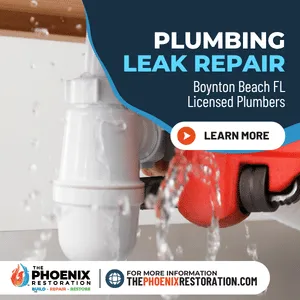
If not addressed promptly, emergency water leaks can cause significant damage to your property. Understanding the major causes of these leaks is crucial for preventing costly repairs and maintaining a safe home.
By recognizing the signs of leaking water early and monitoring your water meter regularly, you can take proactive steps to protect your home from water damage. Let’s explore the details to help you avoid potential water leak emergencies.
We will explore the common reasons behind emergency water leaks, such as high water pressure, malfunctioning appliances, and deteriorating pipes.
This comprehensive guide will help you understand what to do in such situations. Relief is at hand – we’ve packaged this information in a friendly and straightforward manner to ease your worries.
What are Emergency Water Leaks?

Emergency water leaks are sudden and unexpected incidents in which water escapes from pipes, appliances, or other water systems in your home or commercial property. If not addressed promptly, these leaks can lead to significant damage. It prevents so much wasted water and saves you
Common Causes of Emergency Water Leaks
Understanding the root causes of water leaks can empower you to take preemptive measures. Here are some typical culprits:
- Burst Pipes: Often caused by freezing temperatures, old age, or intense pressure build-up.
- Faulty Appliances: Washing machines, dishwashers, and water heaters can develop leaks due to wear and tear.
- Roof Leaks: Often result from damaged shingles, missing tiles, or improperly installed flashing.
- Drainage Problems: Clogged or improperly designed drainage systems can lead to overflow and leaks.
- Foundation Cracks: Small cracks can allow water seepage during heavy rains or snowmelt.
The Importance of Tackling Water Leaks Swiftly
Failing to address water leaks promptly can lead to:
- Structural Damage: Water can weaken walls, ceilings, and floors, potentially leading to collapses.
- Mold Growth: Standing water and damp conditions are perfect breeding grounds for mold, posing health risks.
- Property Loss: Furniture, electronics, and other personal belongings can be damaged or destroyed.
- Financial Strain: The longer a leak persists, the more expensive the repairs can become.
Now that you understand the severity let’s dive into the immediate steps you should take when confronted with an emergency water leak.
What To Do When You Discover a Water Leak
Your actions in the first few moments after discovering a water leak are crucial in minimizing damage. Here’s a step-by-step guide to follow:
Step 1: Turn Off the Water Supply
Locate your main water shutoff valve and turn it off. This prevents more water from entering your home or building and mitigates further damage.
Step 2: Turn Off Electricity
Water and electricity are a dangerous mix. If the leak is near electrical outlets, appliances, or fuse boxes, shut off the power to these areas to prevent electrical hazards.

Step 3: Move Your Valuables
If water is pooling in your home, move furniture, electronics, and other valuable items to a dry area. This can help you save essential possessions from irreversible water damage.
Step 4: Contain the Leak
Use buckets, towels, or rags to catch and absorb the water. If the leak is minor, you can use duct tape or a plumbing tape repair kit as a temporary fix until professionals arrive.
Step 5: Call a Professional Restoration Service
Water leaks can be complex; assessing and repairing the damage usually requires professional expertise. Professionals can handle these emergencies smoothly and without a doubt.
The Restoration Process
Professional restoration services follow a comprehensive process to ensure your property is thoroughly restored. Here’s what you can expect when you call for help:
Free Inspection and Assessment
A team from the restoration company will arrive promptly to evaluate the damage. This initial inspection is typically free and helps them determine the best course of action.
Water Extraction
Efficient water extraction is crucial. Professionals use commercial-grade pumps and vacuums to remove standing water as quickly as possible.
Drying and Dehumidification
High-powered fans and dehumidifiers are used to dry out the affected areas thoroughly. This step is essential to prevent mold growth and further structural damage.
Cleaning and Sanitizing
The team will clean and sanitize the affected areas to remove any harmful pathogens or contaminants. They may also handle belongings that got wet, ensuring everything is thoroughly cleaned and disinfected.
Restoration and Repair
Finally, the restoration team will repair structural damage, replace damaged drywall, and restore your property to its original state. This may include minor repairs or major reconstruction, depending on the extent of the damage.
Prevention Tips For Emergency Water Leaks
While some water leaks are unavoidable, there are several steps you can take to minimize your risk:
Regular Maintenance
Regularly inspect and maintain your plumbing, water heaters, and appliances. Look out for signs of wear and tear that could lead to leaks.
Proper Insulation
Ensure your pipes are well-insulated, especially in areas susceptible to freezing. Pipe insulation can prevent winter bursts that lead to emergency leaks.
Install Water Leak Detection Systems
Advanced home technology now includes water leak detectors that can alert you to leaks before they cause significant damage. Some systems can automatically shut off the water supply in response to a detected leak.
Maintain Roof and Gutters
Inspect and maintain your roof and gutters regularly. Promptly replacing damaged shingles and ensuring gutters are clear can prevent roof leaks.
Regular Inspection of Foundation and Drainage Systems
Keep an eye on your home’s foundation, and ensure your drainage systems are clear and properly designed to handle runoff.
Understanding Your Insurance Coverage
Navigating insurance claims after a water leak can be daunting. It’s crucial to understand your coverage and what steps to take for a smooth claims process.
Types of Water Damage Covered
Most standard homeowner insurance policies cover sudden and accidental water damage, such as:
- Burst Pipes: Damage resulting from frozen or burst plumbing.
- Overflowing Appliances: Damage from malfunctioning appliances.
 Types of Water Damage Not Covered
 Types of Water Damage Not Covered
However, policies typically do not cover:
- Maintenance Issues: Damage resulting from neglected maintenance or wear and tear.
- Sewer Backup: Often requires additional coverage.
- Flooding: Usually necessitates separate flood insurance.
How to File a Claim
- Document the Damage: Take photos and videos of the leak and resulting damage.
- Contact Your Insurance Company: Report the incident promptly and follow their instructions.
- Meet the Adjuster: An insurance adjuster will assess the damage and determine the payout.
- Keep All Receipts: Document any out-of-pocket expenses for repairs or temporary lodging, as these may be reimbursable.
Conclusion
Emergency water leaks don’t have to turn your life upside down. With quick action and the right professional help, you can efficiently minimize damage and restore your property.
Remember, if you ever encounter emergency water leaks, follow the steps outlined in this guide, and don’t hesitate to contact experts like The Phoenix Restoration for assistance. Stay prepared and calm, and you’ll navigate through it just fine.