Emergency Response Leak Teams are crucial when addressing leak issues, providing comprehensive emergency response services to manage diverse environmental emergencies such as chemical spills and hazardous waste incidents.
With the right leak teams by your side, you can be confident that your emergency needs are addressed immediately. Let’s discuss the importance of leak emergency team, benefits and more.
What is an Emergency Response Leak Team?

Emergency response teams, also known as Emergency Response Leak Teams, are specialized units trained to respond to water leak emergencies rapidly and accurately. Their main goal is to mitigate the immediate risks, assess the extent of the damage, and implement a comprehensive restoration plan.
Leaks, whether due to burst pipes, faulty appliances, or severe weather, can escalate quickly and cause extensive damage. These experts handle everything from minor drips to major floods, ensuring your property is safeguarded and restored to its pre-leak state.
Quick Response Time
One of the most critical aspects of an Emergency Response Leak Team is their swift response time. Leaks can lead to significant damage in a matter of hours, and addressing immediate threats such as spills and leaks is essential to prevent issues like mold growth, structural damage, and electrical hazards.
Professional Expertise
These teams consist of professionals equipped with the knowledge, tools, and techniques required to handle leaks efficiently. Their expertise spans various sources of water damage, enabling them to tackle any situation with confidence and precision.
Additionally, having a hazmat emergency response plan is crucial for companies that handle hazardous materials to ensure effective management and response to spill incidents.
The Importance of Emergency Response Leak Teams

Emergencies like oil spill response need to be addressed immediately. Other natural disasters are also a priority in preventing accident scenes.
Preventing Extensive Damage
When a leak occurs, water can seep into walls, floors, and ceilings, causing extensive and often hidden damage. By calling an Emergency Response Leak Team promptly, you minimize the spread of water and reduce the overall damage to your property. In the case of a hazardous material spill, engaging professional emergency response services is crucial to ensure efficient cleanup and prevent long-lasting environmental impact.
Safety First
Water leaks can create hazardous conditions, including the risk of electrical shock and the development of mold and mildew. Emergency Response Leak Teams prioritize safety, identifying threats to human health, and ensuring that all immediate dangers are addressed before they begin the restoration process.
Efficient Restoration Process
These teams follow a structured emergency response cleanup process for water damage restoration. From initial assessment to drying and dehumidifying affected areas, their step-by-step process ensures your property is restored efficiently and effectively.
Emergency Response Services They Can Provide
Water Damage Assessment
The first step in any leak scenario is a thorough assessment. The team inspects the property to determine the source and extent of the damage, including potential chemical spills. This evaluation is critical for developing an effective restoration plan.
Water Extraction
Once the assessment is complete, the next step is water extraction. The team uses advanced equipment to remove standing water from the affected areas, including those impacted by oil and chemical spills. This is a crucial step to prevent further damage and mold growth.
Drying and Dehumidification
After the water is removed, the drying and dehumidification process begins. High-powered fans and dehumidifiers are used to eliminate moisture from the air and ensure that all surfaces are thoroughly dried. Following federal guidelines during this process is crucial to ensure compliance and safety.
Mold Remediation
If mold is detected during the assessment, the team will undertake mold remediation procedures as part of their chemical spill cleanup efforts. Mold can pose serious health risks, so it is vital to address it promptly and effectively.
Structural Repairs and Restoration
The team will begin structural repairs and restoration once the immediate dangers, including hazardous spills, are mitigated. This includes repairing damaged drywall, flooring, and other materials. The goal is to return your property to its pre-damage condition.
Comprehensive Restoration Solutions
Whether you’re dealing with water damage, mold, or fire damage, our comprehensive restoration solutions cover all your needs. Our experienced team ensures every aspect of the restoration process is managed effectively, from assessment to final repairs. We also specialize in natural disaster response, addressing significant health, safety, and environmental risks that arise from such events.
Real-Life Scenarios: When to Call an Emergency Response Leak Team
Here are some common scenarios where an Emergency Response Leak Team would be invaluable:
In situations like chemical spills or accidents, it is crucial to have a well-defined emergency response cleanup process to ensure safety, compliance, and efficiency.
Burst Pipes and Hazardous Material Spill
A burst pipe can cause significant water damage in a short amount of time. Immediate action is essential to minimize damage and restore your property, especially if it involves a hazardous material spill.
Flooding from Severe Weather and Natural Disaster Response
Severe weather can lead to flooding, which can be catastrophic if not addressed immediately. An Emergency Response Leak Team can help manage the floodwaters, address chemical spills, and prevent further damage.
Appliance Leaks
Faulty appliances like washing machines, dishwashers, and refrigerators can leak and cause water damage. Quick intervention by a professional team, especially for emergency cleanups, can save you time, money, and stress.
Roof Leaks
A leaky roof can lead to water damage in your attic and other areas of your home. An Emergency Response Leak Team can identify the source of the leak, assess immediate threats, and implement effective solutions.
How to Choose the Right Emergency Response Leak Team
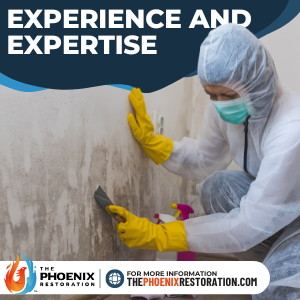
Experience and Expertise
When selecting a leak response team, consider their experience and expertise. A company with a proven track record in handling water damage will be better equipped to manage your situation effectively.
Additionally, ensure they have a comprehensive hazmat emergency response plan to address any hazardous material spills in compliance with federal and state guidelines.
Availability
Leaks can happen at any time, so it’s essential to choose a team that offers 24/7 emergency response services. The faster they can respond, the better the chances of mitigating damage.
Customer Reviews
Customer reviews and testimonials provide insights into a company’s reliability and quality of service. Look for a team with positive feedback and a reputation for excellence.
Additionally, it ensures that the company is recognized as an oil spill removal organization (OSRO) and complies with the U.S. Coast Guard’s OSRO Classification Program, validating its operational readiness across multiple ports and specific geographic zones.
Comprehensive Services
Choose a team that offers comprehensive services, including water extraction, drying, mold remediation, and structural repairs. This ensures that all aspects of the restoration process are covered.
Additionally, expert management of hazardous materials and spills is crucial for an effective natural disaster response to mitigate injury, environmental harm, and regulatory penalties.
Tips for Preventing Water Damage
While Emergency Response Leak Teams are invaluable, it’s also important to take preventative measures to reduce the risk of water damage. Here are some tips to help you safeguard your property: Identifying threats to human health and securing affected areas can minimize risks during containment and cleanup efforts.
Regular Maintenance
Regular maintenance of your plumbing system, roof, and appliances can help prevent leaks and hazardous spills. This includes inspecting pipes for signs of wear, cleaning gutters, and checking for loose or damaged roof shingles.
Install Water Detection Devices
Water detection devices can alert you to leaks before they cause significant damage. These devices can be placed near appliances, water heaters, and other potential sources of leaks, playing a crucial role in emergency response procedures such as chemical spill cleanup.
Sump Pump Installation
If your home is prone to flooding, consider installing a sump pump. A sump pump can help remove water from your basement or crawl space, preventing severe damage from water, oil, and chemical spills.
Proper Insulation
Ensure your pipes are properly insulated, especially in areas prone to freezing temperatures. This can help prevent pipes from bursting in the winter.
Additionally, make sure your insulation practices comply with federal guidelines to ensure safety and effectiveness.
The Restoration Process: Step-by-Step
Understanding the emergency response cleanup process can help you feel more at ease should you ever need to call in an Emergency Response Leak Team. Here’s a step-by-step breakdown of what to expect:
Step 1: Initial Contact
When you first contact The Phoenix Restoration for emergency response services, our customer service team will gather essential information about your situation. This includes details about the leak’s source, the damage’s extent, and any immediate safety concerns.
Step 2: Assessment and Inspection
Once on-site, our team thoroughly assesses and inspects the affected areas. This helps us determine the best course of action for water extraction, drying, restoration, and addressing chemical spills.
Step 3: Water Extraction
Using advanced equipment, we quickly remove standing water to prevent further damage. This is an essential step to mitigate risks such as structural weakening, mold growth, and the detrimental effects of oil and chemical spills.
Step 4: Drying and Dehumidification
After water extraction, we employ industrial-grade fans and dehumidifiers to dry the affected areas. This step is crucial for eliminating residual moisture and preventing mold proliferation.
Additionally, we ensure that our drying and dehumidification processes comply with current local, state, and federal guidelines to guarantee safe and effective management.
Step 5: Mold Remediation (if necessary)
If mold is present, our team follows strict protocols to remediate it, similar to the procedures used in chemical spill cleanup. This includes containing the affected area, removing moldy materials, and thoroughly cleaning and sanitizing the space.
Step 6: Structural Repairs and Restoration
With the immediate risks handled, including hazardous spills, we then focus on structural repairs and restoration. Our goal is to return your property to its pre-damage condition, ensuring it’s safe and habitable.
The Future of Emergency Response Leak Teams
As technology advances, the capabilities of Emergency Response Leak Teams will continue to evolve. Here are some future trends to look out for:
Smart Technology Integration
Future leak response teams may utilize smart technology such as IoT (Internet of Things) devices to detect leaks earlier and respond more efficiently. These devices can provide real-time data and help teams locate the source of the leak quickly.
Advanced Drying Techniques
Researchers are continually developing more efficient drying techniques to speed up the restoration process. This includes new types of dehumidifiers and fans specifically designed for rapid moisture removal.
Enhanced Training Programs
Ongoing education and training programs will ensure that response teams stay up-to-date with the latest methods and technologies. This continuous improvement will make them more effective in mitigating and restoring water damage.
Environmental Considerations
Future restoration practices will likely place a greater emphasis on environmental sustainability. This includes using eco-friendly materials and methods to minimize the environmental impact during restoration projects.
Frequently Asked Questions
To further assist you, here are some frequently asked questions about Emergency Response Leak Teams and water damage restoration:
Identifying threats to human health is crucial during emergency response procedures for hazardous spills and leaks.
How quickly should I call a response team after a leak is detected?
You should call an Emergency Response Leak Team as soon as you notice a leak. The quicker they can assess and address immediate threats, the less damage your property will sustain.
What should I do while waiting for the response team to arrive?
While waiting for the response team, try to stop the source of the leak if possible (e.g., turning off the main water valve). Move valuables to a dry area and, if safe, start mopping up small amounts of water to limit damage.
Will my insurance cover water damage restoration?
Most homeowner’s insurance policies cover water damage if it’s sudden and accidental. However, not all types of water damage are covered, so it’s best to review your policy or contact your insurance provider.
How long does the restoration process take?
The restoration process can vary depending on the extent of the damage. Minor leaks might take a few days to resolve, while severe flooding could take several weeks for complete restoration.
Why is mold remediation important?
Mold can pose serious health risks, including respiratory issues and allergies. It can also cause structural damage to your property. Proper mold remediation ensures that these risks are mitigated.
Conclusion
Water leaks and the subsequent damage they cause can be overwhelming and stressful. However, knowing that there are emergency response leak teams out there provide peace of mind.
These professionals are equipped with the expertise, tools, and techniques necessary to handle leaks efficiently and effectively.
At The Phoenix Restoration, we’re committed to restoring your property swiftly, safely, and thoroughly. Whether it’s a burst pipe, a severe storm, or a faulty appliance, our dedicated team is here to help you navigate the complexities of water damage restoration.
Don’t let a leak disrupt your life. Reach out to us at (954) 866-8408 the next time you face a water emergency.
Remember, quick action can make all the difference in protecting your home or business from severe damage. Stay safe, and always be proactive about water damage prevention and keep a contact information for emergency response leak teams.