Emergency sump pump leaks are more common than you might think. If not handled quickly and efficiently, they can cause a lot of stress and potential damage. When they threaten your property, it can feel overwhelming.
A backup sump pump system is crucial to prevent basement flooding during emergencies, especially when the main sump pump fails or during power outages.
But what will you do when you experience sump leaks, and what preventive measures should you take to prevent them from happening again? This blog will discuss these questions and provide tips.
What Is a Sump Pump?
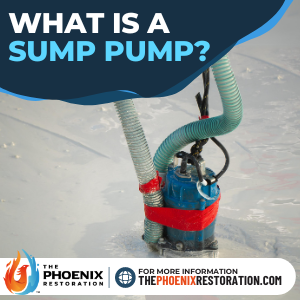
A sump pump is vital to many homes, particularly those with basements or areas prone to flooding. Its main job is to remove water that gathers in a sump basin, usually found in the basement.
A complete interior drainage system is essential in preventing basement flooding and mold growth. This system collects leaking water and directs it to a sump pump, emphasizing the need for regular maintenance and inspections to ensure effective operation and avoid potential water damage.
When everything is working as it should, you won’t have to think about your sump pump much. But when emergencies strike, it’s crucial to know what steps to take.
Sump pumps are devices designed to remove accumulated water from a collection basin, typically installed at the lowest point of a residential structure, such as a basement or crawl space.
These systems consist of a pit or tank positioned below ground level, equipped with a pump mechanism featuring pressure-sensitive valves. To ensure proper operation, the sump pit should be inspected for damage and be the correct size for the pump.
When water levels rise sufficiently, the pump automatically activates, channeling excess water through a discharge line to an external drainage area. This process helps prevent flooding and water damage in vulnerable areas of the home.
Signs of Emergency Sump Pump Leaks
Recognizing the early signs of a sump pump leak is crucial before things get out of hand. Additionally, installing check valves in your sump pump system can prevent water from flowing back into the basement, further reducing the risk of a flooded basement.
Regular maintenance and inspections of your sump pump and backup system are essential to ensure they function properly when needed.
Here are some of the warning signs that you may need to address sump pump issues:
Unusual Noises
If your sump pump is making strange or loud noises, this could be a sign that something is wrong. Grinding, rattling, or clanking noises can indicate mechanical issues.
Water Around the Pump
If you notice water pooling around the sump pump, it is a clear indicator of a leak. This may be due to a broken seal or a crack in the pump.
Constant Running
A sump pump that runs continuously even when there is no water in the sump basin may have a problem. This could indicate issues with the float switch or an internal issue within the pump.
Damp or Musty Odors
A damp, musty smell in your basement could indicate water leakage. Even if you can’t immediately see the source, it’s wise to investigate further.
Maintaining a dry basement is crucial to prevent mold growth and other issues.
Causes of Sump Pump Leaks
Understanding why sump pumps leak can help you prevent future issues. Here are some common culprits:
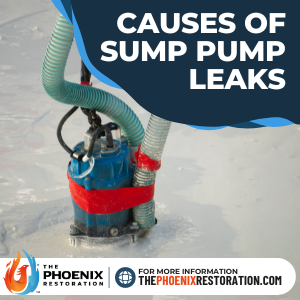
Regular maintenance is crucial to ensure your sump pump operates effectively and to prevent issues like power failure.
Worn-Out Seals
Over time, the seals on your sump pump can wear out, leading to leaks. Regular maintenance can help catch this issue before it becomes problematic.
Improper Installation
If your sump pump is not installed correctly, it might be more susceptible to leaks. To avoid such issues, make sure a qualified professional installs it.
Faulty Parts
Internal components like the float switch, impeller, or check valve can fail, causing leaks or improper functioning. Regular inspections can help catch faulty parts early.
Natural Wear and Tear
Like any machinery, sump pumps are subject to wear and tear over time. Regular maintenance and timely replacements can extend the life of your pump.
What to Do in Case of an Emergency Sump Pump Leak
Quick action is crucial to minimize damage if you discover a sump pump leak. Here’s what you should do:
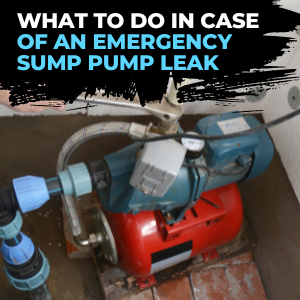
Having a backup battery for your sump pump is essential to ensure continuous operation during power outages. This provides peace of mind and prevents potential basement flooding issues.
Turn Off the Pump
The first step is to turn off the sump pump to prevent further water flow. Unplug the unit to ensure it stops running.
Assess the Situation
Determine the extent of the leak. Is it a minor trickle, or is water pouring out? This evaluation will help you decide your next steps.
Contain the Leak
Use towels, buckets, or any other available materials to contain the water. This will help minimize damage to your property.
Call a Professional
Contact a professional immediately for repairs. If you are not experienced, trying to fix the pump yourself can lead to more issues.
Preventive Measures to Avoid Emergency Sump Pump Leaks
The best way to handle an emergency is to prevent it from happening. Ensure you have a backup sump pump system in place.
A battery-operated backup sump can automatically activate when the main sump pump stops working, protecting against water damage during power outages or sump pump failures.
Here are some preventive measures to keep your sump pump in working order:
Regular Maintenance
Schedule regular maintenance checks to ensure your sump pump parts are functioning correctly. It includes checking the seals, inspecting the float switch, and testing the pump.
Regularly inspect and maintain your sump pump to avoid malfunctions. Monitoring water levels is crucial to prevent basement flooding and safeguard against significant water damage and mold growth.
Backup Systems
Consider installing a battery backup or a secondary sump pump. This ensures that you have a fail-safe in case the primary pump fails.
Quality Installation
Make sure a qualified professional installs your sump pump. Proper installation can mitigate many issues that lead to leaks.
Monitor Water Levels
Install a water alarm to monitor the water level in your sump basin. It will alert you to problems before they become emergencies.
Common Repairs for Sump Pumps
If your sump pump leaks, the fix might be simpler than you think. Here are some common repairs:
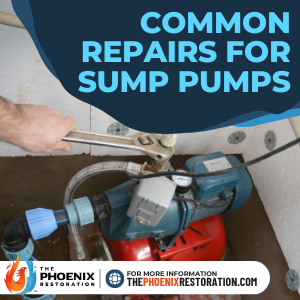
Using a garden hose can help clear debris from a clogged discharge pipe, ensuring the proper functioning of your sump pump.
Replacing Seals
One of the most frequent repairs involves replacing worn-out seals. Although this is usually straightforward, it should be done by a professional for the best results.
Fixing Float Switches
Float switches often become stuck or faulty. Repairing or replacing the float switch can resolve many running issues.
Addressing Internal Components
Sometimes, internal parts like the impeller or check valve might need replacing. It’s best to have a professional handle these components to ensure proper installation and functionality.
Installing a Backup Pump
If your sump pump is old or unreliable, consider installing a backup. This can prevent future leaks and ensure peace of mind.
When to Replace Your Sump Pump
Repairs might be insufficient at some point, and replacing the sump pump could be your best option. Here are signs it might be time for a new pump:
To ensure continuous operation during emergencies, it is also crucial to have a backup sump pump system, such as battery-operated or generator-powered options, to prevent basement flooding, especially after heavy rain.
Frequent Repairs
If you frequently repair your sump pump, it may be time to replace it. Multiple issues can indicate that your pump is nearing the end of its lifespan.
Age
Most sump pumps last about 10 years. If your pump is older than that, it’s probably a good idea to start considering a replacement.
Decreased Performance
If your sump pump no longer efficiently removes water, it may need replacing. Inefficiency can lead to leaks and potential damage.
Persistent Leaks
If you’ve tried fixing a leak multiple times to no avail, replacing the pump might be more cost-effective in the long run than continually repairing it.
How to Choose the Right Sump Pump
When it’s time to replace your sump pump, knowing what to look for will help you make the best decision for your home. A reliable sump pump system is crucial in preventing basement flooding and water damage.
It is essential to have a dependable system and potentially a backup sump pump system to address common issues and maintain a dry living environment.
Seeking professional help for installation and maintenance can ensure your sump pump system operates effectively.
Types of Sump Pumps
There are two main types of sump pumps: pedestal and submersible.
| Type | Description |
|---|---|
| Pedestal | Easier to access for maintenance but louder and more visible. |
| Submersible | Quiet and hidden in the sump basin, but harder to reach for repairs. |
Horsepower
Consider the size of your space and the severity of potential flooding. Pumps come in various horsepower levels, so choose one that meets your needs.
Battery Backup
A battery backup can be a lifesaver in power outages. Look for a model that includes a reliable backup system.
Quality and Reviews
Like with any product, quality matters. Read reviews and get recommendations from trusted professionals like The Phoenix Restoration.
Professional Help is Crucial
Many homeowners are tempted to DIY their sump pump repairs or installations. However, getting professional help ensures the job is done correctly and safely.
Additionally, having a backup sump pump system is crucial to prevent flooding during power outages, which can cause the primary pump to fail.
Professionals can diagnose and fix issues accurately, saving you time and stress. Sump pump repairs often involve electricity and water, a potentially dangerous combination. It’s safer to let experts handle the work.
While hiring a professional might seem costly upfront, it can save you money in the long run by preventing further issues and extending the life of your pump.
Emergency Contact Information
In case of an emergency, always have contact information for a professional service on hand. The Phoenix Restoration provides reliable service for sump pump leaks and more.
Contact The Phoenix Restoration:
- Email: Info@thephoenixrestoration.com
- Phone: (954) 866-8408
Conclusion: Stay Prepared and Act Fast
Emergency sump pump leaks can be stressful, but knowing how to handle them can make a difference. Regular maintenance, prompt repairs, and professional help are your best allies in keeping your home dry and safe.
Always keep an eye out for warning signs. Don’t hesitate to call in the professionals when needed.
Your sump pump can effectively protect your home from water damage with proper attention and care.
So, stay prepared, and remember: if you ever find yourself in an emergency sump pump leak situation, call for professional help immediately.