Kitchen plumbing leaks can be a homeowner’s worst nightmare, causing property damage and unnecessary stress. But with the right approach, you can address these issues efficiently and avoid further damage.
Understanding the common causes of leaks and how to respond to an emergency is crucial for safeguarding your kitchen and preventing costly repairs.
This guide will equip you with essential tips for preventing kitchen plumbing leaks and providing practical solutions when disaster strikes.
Common Causes of Kitchen Plumbing Leaks
Understanding the root cause of a problem is half the battle. Kitchen plumbing leaks can result from various issues, ranging from simple wear and tear to more complex problems.
Whether you’re dealing with kitchen sink leaks or a leaking kitchen sink, identifying the source early can save time and prevent further damage. Here are some common causes:

Worn-Out Seals and Gaskets
Over time, the seals and gaskets around your sink drains and fixtures may degrade. This can lead to small leaks that gradually become more noticeable. A kitchen sink leaking often starts with these deteriorating components.
Corroded Pipes
Pipes, especially those made of metal, can corrode over time. When pipes corrode, they become weak and prone to leaks.
Early detection is key to preventing major issues. Corroded drain pipes are a common source of persistent kitchen leaks.
High Water Pressure
Surprisingly, having too much water pressure can be detrimental. High water pressure can stress your pipes and fixtures, leading to leaks or bursts.
This is especially true for kitchen faucets, where faucet leaks can be the first sign of excessive pressure.
Clogged Drains
If your kitchen sink drains are frequently clogged, the standing water can create pressure on your pipes, leading to leaks.
Regular maintenance can prevent this issue. A clogged sink drain can cause water to back up and potentially leak from weak points in the system.
Loose Connections
Sometimes leaks occur simply because connections between pipes, hoses, and fixtures become loose. Regularly checking and tightening these connections can prevent leaks.
A leaky kitchen sink is often the result of loose fittings under the sink or around the faucet.
Signs of a Kitchen Plumbing Leak
Spotting a leak early can save you time, money, and headaches. Here are some signs to watch for:
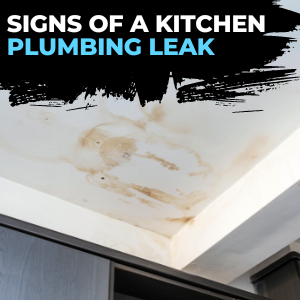
Water Stains
Water stains on your cabinets, walls, or ceiling can indicate a leak. Pay close attention to discoloration or bubbles in your paint. These stains often appear below the sink or around the base of the faucet.
Musty Odor
A persistent musty odor usually signals mold or mildew caused by moisture build-up. This is a telltale sign of a hidden leak. Check under your sink and around the drain pipes for any unusual smells.
Increased Water Bills
If your water bill suddenly spikes without a corresponding increase in water usage, you likely have a leak somewhere in your house, possibly in the kitchen.
A constantly running faucet or a slow drip from a leaky kitchen sink can waste a surprising amount of water.
Puddles or Damp Spots
Finding unexplained puddles or damp spots in your kitchen can be a clear sign that you have a plumbing issue that needs immediate attention. Look for water pooling under the sink or around the base of your faucet.
Immediate Steps to Take When You Discover a Leak
When you discover a leak, taking quick action is crucial. Here’s what you should do:
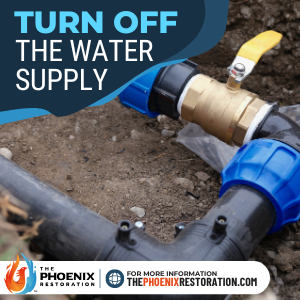
Turn Off the Water Supply
Immediately shut off the water supply to the affected area to minimize damage. Most sinks have shut-off valves underneath them. Locate these valves and turn them clockwise to stop water flow to a leaking faucet or sink.
Mop Up Excess Water
Quickly mop up any standing water to prevent further damage to your floors or cabinets. Use towels or a mop to absorb as much water as possible.
Pay special attention to areas where water may have accumulated around and under the sink drain.
Inspect the Area
Take a flashlight and carefully inspect the area to determine the source of the leak. This will help when you seek professional assistance.
Look closely at the sink drain, faucet connections, and drain pipes for any signs of water escaping.
Long-Term Solutions to Prevent Kitchen Plumbing Leaks
Preventing leaks is always better than fixing them. Here are some long-term solutions to consider:
Regular Maintenance Checks
Schedule regular maintenance checks for your plumbing system. This includes inspecting seals, gaskets, and connections to ensure they are in good condition.
Pay special attention to areas prone to leaks, such as the kitchen sink and faucet. Look for signs of a leaking sink, such as water stains or dampness under the sink cabinet.
Mind Your Water Pressure
Install a pressure regulator to maintain stable water pressure, preventing stress on your pipes and fixtures.
This can significantly reduce the risk of faucet leaks and other pressure-related issues. High water pressure can cause sink faucets to wear out faster, leading to leaks.
Replace Old Plumbing
If your plumbing system is old or corroded, consider replacing it. Modern materials are more durable and less likely to develop leaks.
This is especially important for older drain pipes prone to corrosion and leaks. If you notice that the sink is leaking frequently, it might be time to replace the entire sink and faucet assembly.
Use Strainers
Using strainers in your sinks can help prevent debris from clogging your drains, thus reducing pressure on your pipes.
This simple step can prevent many sink drain issues that lead to leaks and water damage. A clogged drain pipe can cause water to back up and leak from the sink basin or connections.
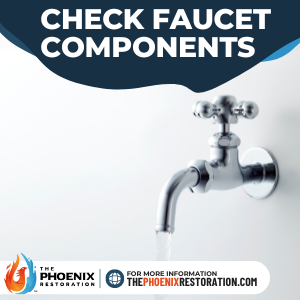
Check Faucet Components
Regularly inspect and maintain your sink faucet to prevent leaks. Replace worn-out washers, O-rings, and cartridges promptly. If not addressed, a leaky sink faucet not only wastes water but can also lead to more serious plumbing issues.
Proper Installation
Ensure all plumbing components, including the sink, faucet, and drain pipes, are properly installed. Poor installation is a common cause of leaks.
If you’re not confident in your DIY skills, hire a professional plumber to install new fixtures or make repairs.
Implementing these long-term solutions can significantly reduce the likelihood of kitchen plumbing leaks and extend the life of your plumbing system.
DIY Vs. Professional Help: When to Call in The Experts
Knowing when to tackle a plumbing issue yourself and when to call in the professionals can save you a lot of stress. Here’s a helpful comparison table:
| Issue Type | DIY Solution | When to Call Professionals |
|---|---|---|
| Minor Leaks | Tightening connections, replacing gaskets | If the leak persists or worsens |
| Clogged Drains | Using a plunger or drain cleaner | If clogs are frequent or stubborn |
| Corroded Pipes | N/A | Always call professionals |
| High Water Pressure | Installing a regulator | If unsure about installation |
| Major Water Damage | N/A | Always call professionals |
The Importance of Professional Assistance
Dealing with plumbing leaks can be tricky; sometimes, DIY solutions just won’t cut it.
When faced with plumbing issues, seeking professional help is crucial. While some might be tempted to tackle problems like a faucet leak on their own, expert assistance often proves invaluable.
That’s where we come in. At The Phoenix Restoration, our team of experts is trained to handle tough plumbing problems efficiently and effectively.

Expertise and Experience
Our professionals have years of experience dealing with every kind of plumbing issue imaginable. They can quickly diagnose and fix problems that might take hours or even days to understand.
We can quickly identify the source of the problem, whether it’s in the drain lines or water supply connections, preventing further damage to your home.
Advanced Tools and Techniques
Water leaks, if left unattended, can lead to significant structural damage and mold growth.
We use advanced tools and techniques to ensure that your plumbing system is in top shape. This includes water pressure tests, video inspections, and state-of-the-art repair methods.
Comprehensive Solutions
We don’t just fix the problem; we provide comprehensive solutions that help prevent future issues. This might include recommendations for upgrades or preventive maintenance tips.
How The Phoenix Restoration Can Help
When faced with a plumbing emergency, you want to know you’re in good hands. Here’s what you can expect when you work with us:
Thorough Inspection
We start by conducting a thorough inspection to identify all possible issues. This includes looking for hidden leaks, checking water pressure, and examining the condition of your plumbing system.
Detailed Plan
After the inspection, we’ll provide you with a detailed plan outlining the necessary repairs and their costs. Transparency is critical; we want you to be fully informed before any work begins.
Quality Repair Work
Our team will then make the repairs using high-quality materials and proven methods. We aim to get your kitchen back in perfect working order as quickly as possible.
Ongoing Support
After the repair work is done, we don’t just disappear. We offer ongoing support and maintenance plans to help ensure your plumbing system remains leak-free.
Do you have a plumbing issue you can’t solve? Don’t hesitate to contact us at Info@thephoenixrestoration.com or (954) 866-8408. We’re here to help resolve your kitchen plumbing issues efficiently and effectively.
Conclusion
Kitchen plumbing leaks can be more than a minor inconvenience. If not addressed promptly, they can lead to significant water damage, mold growth, and costly repairs.
You can protect your home from severe damage by understanding the common causes, recognizing the signs, and knowing when to call in professionals.
Our prevention and emergency tips help you deal with your kitchen plumbing leaks easily and smoothly.