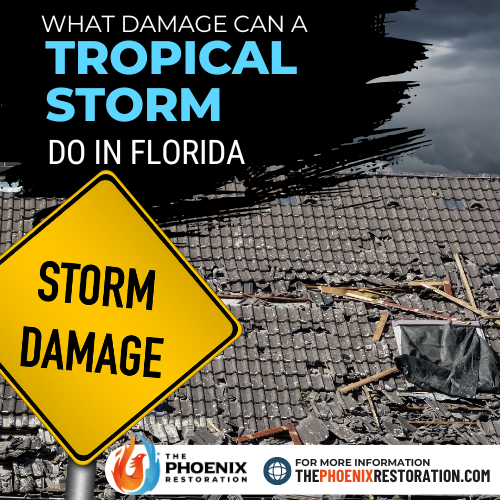
So, what damage can a tropical storm do in Florida? When considering Florida’s sunny beaches, it’s hard to imagine that powerful tropical storms regularly threaten such a paradise.
However, every year, Florida braces for hurricane season, which brings with it the possibility of devastation from these natural forces. From damaging winds to dangerous flooding, these storms can affect homes, businesses, infrastructure, and the environment in significant ways.
What Damage Can A Tropical Storm Do in Florida?
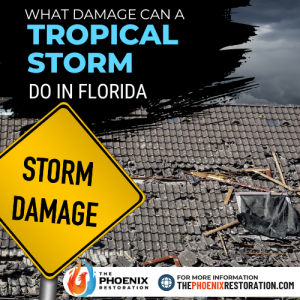
Tropical storms have the power to cause substantial structural harm. While the wind speeds aren’t as high as a hurricane’s, they can still cause damage, particularly to poorly built structures. This could include ripping off roofing materials or causing trees and poles to fall onto buildings.
What Exactly Is a Tropical Storm?
Tropical storms are weather systems with wind speeds between 39 and 73 mph. While they are not as strong as a major hurricane, tropical storms should not be underestimated.
They develop over warm waters, typically in the Atlantic or the Gulf of Mexico, and can rapidly intensify, particularly during hurricane season. The National Hurricane Center carefully monitors these systems as they form, keeping Floridians informed about potential impacts.
How Do Tropical Storms Develop?
Tropical storms form in warm, moist environments. When tropical depressions encounter the right conditions—like high humidity, low wind shear, and warm sea surface temperatures—they can quickly evolve into a full-fledged tropical storm or even a tropical cyclone.
Florida’s location, surrounded by these warm waters, makes it especially vulnerable to these storms. In some cases, these storms may escalate further, reaching the level of a major hurricane on the Saffir-Simpson Hurricane Wind Scale.
Structural Damage from Tropical Storms
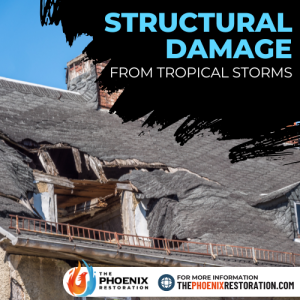
While not as severe as hurricanes, strong tropical storm winds can still cause significant damage. Dangerous winds can rip off roofs, shatter windows, and tear down fences and trees.
Poorly built homes and buildings are especially at risk. Infrastructure—roads, bridges, power lines—can be severely impacted in urban areas. Depending on the severity, recovery can take weeks or even months, and storm surges can worsen the damage, flooding streets and homes alike.
Flooding: A Major Concern
One of the most devastating effects of tropical storms is significant flooding. Over a short period, heavy rainfall overwhelms drainage systems, leading to water pooling in streets and homes.
Low-lying areas in Florida are particularly vulnerable to storm surges, which occur when powerful winds push ocean water inland. These surges can flood coastal areas within minutes, causing extensive damage to homes, businesses, and local ecosystems.
Flooding from tropical storms and tropical cyclones can also result in long-term damage, affecting both residential and commercial buildings.
Environmental Impacts of Tropical Storms
Tropical storms don’t just affect people—they can also wreak havoc on Florida’s diverse ecosystems. Floodwaters and storm surges can destroy wetlands, erode beaches, and disrupt local wildlife habitats.
Saltwater pushed inland by a storm surge can damage freshwater ecosystems, killing fish and plant life. These changes can take years to recover from, and some ecosystems may never fully return to their pre-storm state. Tropical storms and hurricanes not only pose immediate dangers but also leave lasting scars on the environment.
Economic Impact: The Cost of Recovery
After a tropical storm hits, Florida faces massive economic costs. Damage to homes, businesses, and infrastructure can run into the billions. Direct costs include repairs and reconstruction, but indirect costs—such as lost productivity and decreased tourism—are also substantial.
Many businesses have to close temporarily due to power outages or structural damage. For individuals, inadequate insurance coverage can leave homeowners struggling to afford repairs.
The National Hurricane Center emphasizes the importance of preparedness, but even the best-laid plans can’t eliminate the financial burden of these storms.
Tropical Storms and Power Outages
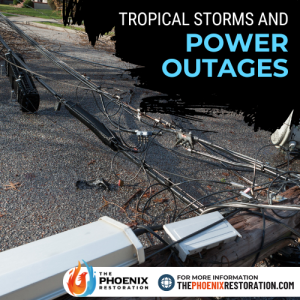
Tropical storms frequently knock out power across wide areas, and restoring electricity can be a slow process. Power lines are vulnerable to both strong winds and flooding, causing outages that can last for days or weeks.
This can be especially challenging in the hot Florida climate, where air conditioning is necessary for many residents.
Extended outages also disrupt businesses and affect essential services like hospitals and water treatment plants, compounding the challenges that follow a tropical storm.
Health and Safety Risks
The aftermath of a tropical storm presents multiple health risks. Floodwaters may contain bacteria, sewage, or harmful chemicals, posing a serious threat to public health.
Additionally, power outages can impact medical facilities, making it harder for people to access critical care. Mosquito-borne illnesses can also arise after a storm, as standing water provides the perfect breeding ground for mosquitoes.
The emotional toll of surviving a storm and coping with the aftermath can lead to mental health challenges, further underscoring the wide-ranging effects of tropical storms.
Preparing for Tropical Storms
Florida residents know that preparation is key when it comes to tropical storms. Staying informed through alerts like a tropical storm warning from the National Hurricane Center can help individuals take steps to protect themselves and their homes.
Simple actions like securing outdoor furniture, installing storm shutters, and stocking up on supplies can make a significant difference. Additionally, communities should have evacuation plans for severe storms, as tropical storms can quickly turn into more dangerous weather systems, including tropical cyclones.
So, What Damage Can a Tropical Storm Do In Florida?
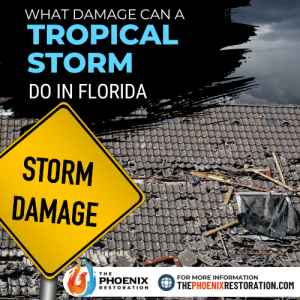
In conclusion, the question of what damage a tropical storm can do in Florida is answered by looking at its far-reaching impacts, from significant flooding and structural damage to environmental destruction and economic loss.
These storms are a constant threat to Floridians, but through careful planning and awareness, much of the damage can be minimized.
While tropical storms may not be as intense as major hurricanes, they still have enough power to impact Florida’s landscape and people.
So, as you prepare for the next storm season, remember just how much damage a tropical storm can cause in the Sunshine State.