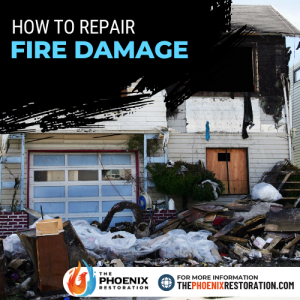
How to repair fire damage is often one of the first concerns after experiencing the devastation of a house fire. The aftermath can leave you feeling overwhelmed, with charred walls, smoke damage, and water from firefighting efforts.
But restoring your home is entirely possible with the right approach and professional help. In this guide, we’ll walk you through the process of assessing the damage, beginning restoration, and making sure your home is safe again.
Whether you’re making minor repairs or doing more extensive work, this step-by-step guide will help you confidently tackle the challenges ahead.
Understanding the Extent and How To Repair Fire Damage
Fire damage can be severe and extensive. Understanding the full extent of this damage is important to properly prepare for repairs and understand what steps need to be taken.
Identifying areas affected by the fire
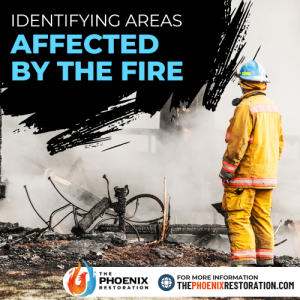
When possible, you should start by identifying the areas impacted by the fire. This includes any places where the flames touched, areas that have been charred or burned, and any spots affected by smoke or soot. Be mindful that there might be hidden damage behind walls or under floors.
Examining structural integrity
Once you’ve identified the areas impacted by the fire, it’s important to examine the structural integrity of your property. This includes checking the stability of the remaining structure, examining beams, walls, and ceilings, and assessing any potential threats to safety.
Noting smoke and soot damage
Soot removal is critical. Soot and smoke residue can leave permanent stains and pose health risks. The residue can be black and sticky or powdery and light, depending on the materials burned. Both types of damage require specific cleaning methods to ensure your home is safe and livable again.
Recognizing water damage from extinguishment efforts
Finally, it’s important to note any water damage that might have occurred during fire extinguishing efforts. This may include spots where water pooled or seeped into your structure, potentially causing further damage.
Contacting Professionals
Once you’ve ascertained the extent of damage, it’s important to contact professionals who can help you navigate through the repair process.
Finding a reputable fire damage restoration company
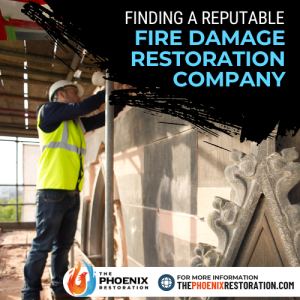
Finding a reputable fire damage restoration company is vital to properly restoring your property. These professionals are experienced in dealing with fire damage and have the necessary tools and knowledge to assess and repair the damage.
Working with insurance
Navigating insurance after a fire can feel complicated. But it’s an essential step in the fire damage restoration process. Depending on your policy, your insurance company will help cover some or all of the restoration costs. It’s a good idea to involve a professional restoration company early in the process to help document the damages and speed up your claim.
Understanding what services to expect
Depending on the company you choose, fire restoration services can be comprehensive. They should include an assessment, cleaning and deodorizing, repair work, and preventive measures, among other things.
The Role of Insurance in Fire Damage Repair
Your insurance plays a vital role in dealing with fire damage.
Navigating your policy
You must understand your policy’s specifics, such as what is covered, any limits, and deductibles. Knowing these details will help you prepare financially and understand what kind of support you can expect from your insurance company.
Filing a fire damage claim
Filing a claim as soon as possible after the fire is critical. The claim will outline all damages and necessary repairs. Your insurance may require an inspection before approving the claim.
Communicating with the insurance company
Keeping open lines of communication with your insurer is crucial. They need to be kept informed about the progress of repairs, any changes in the scenario, or potential issues that may arise.
Safety First: Dealing with the Aftermath Safely
After a fire, safety is paramount. While dealing with the aftermath, always prioritize your safety. During the assessment and repair process, ensure you have proper personal protective equipment, such as gloves, boots, and respirators, as smoke remnants can be harmful.
Avoiding structural hazards
Stay clear of areas where structural damage is severe, as these parts could collapse suddenly.
Preventing further damage
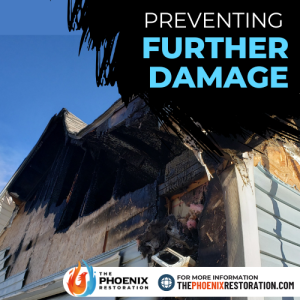
Cover any open areas in the structure to prevent the elements, pests, or intruders from causing further damage.
Implementing immediate damage control
Implement immediate damage control measures such as pumping out water and drying the area to mitigate wood rot and mold growth.
Smoke and Soot Cleanup
Dealing with smoke and soot is an integral part of fire damage restoration. Smoke residue can vary depending on what has burned. Synthetic material produces a black and sticky residue, while organic material leaves a grey and powdery residue.
Deodorization and smoke odor removal
Smoke odors can linger long after the fire. Deodorization is, therefore, vital to restoring the home’s livability.
Proper cleaning methods for soot
Professionals use various techniques, such as dry sponging and wet cleaning, depending on the kind of residue and where it’s deposited.
Water Damage Restoration Following Fire Extinguishment
Water damage is common in fire-damaged properties due to firefighting efforts, which often leave behind significant water damage. Here’s how to tackle it.
Restoration professionals can dry out the soaked areas using specialized equipment, such as industrial fans and dehumidifiers. This is vital to preventing long-term issues like wood rot or mold.
Fire damage restoration depends on quick action. If left untreated, water damage can turn into a mold problem. Restoration teams apply antimicrobial treatments to stop mold before it starts.
Repairing Structural Damage
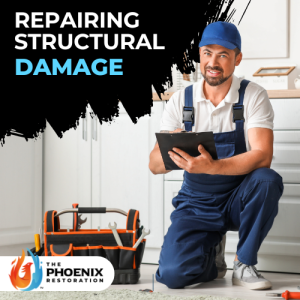
After cleaning, it’s time to address structural damage. Once the smoke damage and water removal are taken care of, the next step is addressing the actual fire damage to your home’s structure.
Rebuilding and Repairing
Whether replacing drywall, fixing floors, or even rebuilding entire rooms, fire damage restoration companies work to restore your home to its pre-fire condition. National Fire Protection Association standards are often followed to ensure the work is done safely.
Once repairs are complete, a final inspection ensures your home is structurally sound. This step is crucial to confirm that your house is safe for your family to return to.
Restoring Personal Property After A House Fire
Restoration doesn’t end at the structure; personal belongings need attention, too. Many items like furniture and appliances can often be cleaned and restored rather than replaced.
Professional restoration companies use advanced techniques to safely clean these items, removing soot and smoke damage without causing further harm.
Preventive Measures for Future Fire Damages
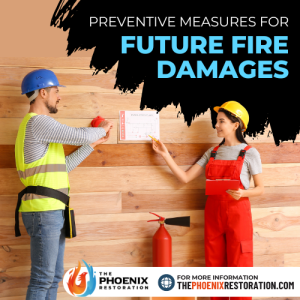
Prevention is always better than cure. After restoration, it’s time to take precautions. Once the fire damage restoration process is done, it’s time to consider preventing future fires.
Make sure your home has functioning smoke detectors. This is one of the simplest ways to ensure early detection of a fire. It’s also important to understand fire risks.
Educate your family about the potential causes of fires and ensure that you have a solid fire escape plan.
Post-repair Review and Maintenance
After restoration, regular reviews and maintenance are necessary. Regular inspections help identify potential fire hazards, which could mean the difference between a minor fire incident and a major one.
Maintaining ongoing communication with insurance
Maintain communication with your insurance company. They can provide guidance on keeping your property safe, but they may occasionally require updates or inspections.
Handling future improvements and repairs adeptly
With the lessons learned from this ordeal, handle any future improvements or repairs with far more adeptness, keeping safety at the forefront of all decisions.
By following the steps outlined above, you can restore your home and personal belongings and hopefully prevent future disasters. In conclusion, how to repair fire damage is a complex process, but with the proper guidance and professional help, it’s entirely manageable.