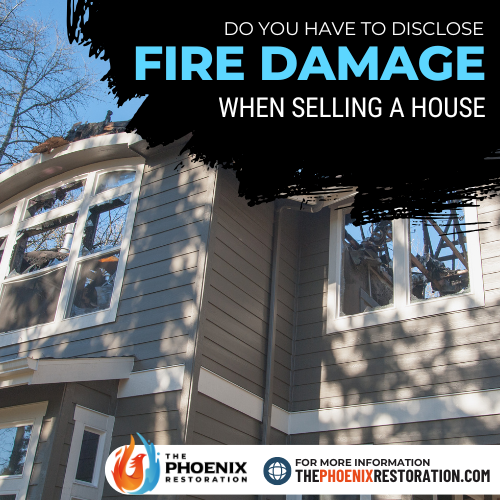
Among the big questions you might be pondering is Do You Have To Disclose Fire Damage When Selling A House?
Well, not to worry because we have all the information you need, tailored with legal requirements, ethical implications, and potential repercussions of non-disclosure.
It may seem like a no-brainer, but there are plenty of dos and don’ts to consider when selling a property, especially if it boasts a checkered past.
Legality: Do You Have To Disclose Fire Damage When Selling A House
When it comes to selling your house, honesty is the best policy. And this isn’t just a matter of being ethical—it’s also a matter of law in many cases.
Understanding the Law About Disclosure
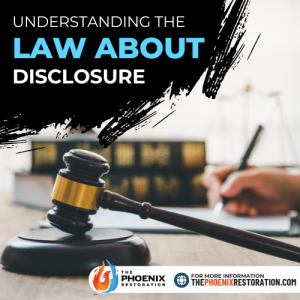
The law often requires that you notify potential buyers of any significant damage to the property, including damage caused by a fire. The reason behind this is pretty straightforward: it lets buyers know the full details about the property they’re considering buying.
Failing to disclose significant damage can lead to legal trouble down the line. Consulting a real estate attorney can help clarify your obligations if you’re unsure.
Variation in Laws by State
While the law generally favors disclosure, the specific requirements can vary quite a bit from state to state. For example, some states might only require the disclosure of structural fire damage.
At the same time, others might also need you to report any less tangible effects of a fire, such as lingering smoke damage.
It’s essential to familiarize yourself with your specific state’s laws before listing your property for sale. This is especially important given the varying state and local laws regarding property disclosures.
Consequences of Failure to Disclose Fire Damage
Selling a house without disclosing fire damage can result in heavy penalties or even legal action. Suppose a buyer discovers undisclosed fire damage after the sale.
In that case, they may be able to sue for damages, which could result in having to refund the entire purchase price, pay for repairs, or even additional punitive damages.
The Ethics of Disclosure
Selling a house without disclosing fire damage can result in heavy penalties or even legal action. Suppose a buyer discovers undisclosed fire damage after the sale.
In that case, they may be able to sue for damages, which could result in having to refund the entire purchase price, pay for repairs, or even additional punitive damages. This could lead to a complicated and lengthy legal battle every seller wants to avoid.
Duty to Prospective Buyers
As a seller, you have a responsibility to be honest with potential buyers about the state of your home. Buying a home is a significant decision, and your honesty (or lack thereof) can greatly impact someone’s quality of life. Knowing the entire history of a fire-damaged house can help buyers make informed decisions about their purchase.
Maintaining Trust in Transactions

Besides a personal duty to prospective buyers, honesty during home sales also helps maintain trust in real estate transactions. If people consistently lie about the properties they’re selling, buyers will inevitably become more skeptical and suspicious, heavily complicating the process for everyone involved.
Effect on Real Estate Reputation
It’s worth noting that though it might seem tempting to avoid mentioning fire damage to quickly close a deal, your reputation will likely suffer in the long run. If you’re caught lying or withholding information during a transaction, future prospective buyers will likely be wary of dealing with you.
The Definition of Fire Damage
The term’ fire damage’ encompasses more than it’s often given credit for. Fire damage isn’t just about what parts of the home were lit in flames. You must consider smoke damage, water damage from extinguishing the fire, mold growth post-fire, and more.
Assessing the Extent of Fire Damage
The level of fire damage also varies greatly. Even if a fire was quickly contained in a single room, the smoke damage could have affected a significantly larger area, and potential buyers have a right to know about those details. Previous fire damage should be documented, as it informs buyers about the history of the home.
Consulting Professionals for Evaluation
Given the nuance and complexity often involved in adequately assessing fire damage, it can be beneficial to consult a professional. Fire damage inspectors can provide a comprehensive evaluation, offer records to insurance matters, and even advise on estimated repair costs.
How to Document Fire Damage
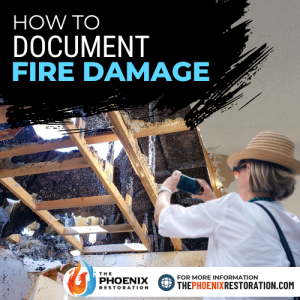
Documenting the fire damage your house sustained is crucial. Accurate documentation not only provides proof to prospective home buyers but also simplifies matters with insurance companies. Moreover, it also helps you to provide an accurate selling price, reflecting the cost imposed on you by the fire.
Methods for Documenting Fire Damage
This could include photographs of the damage, reports from professional evaluators, or even firefighter records. Essentially, anything that paints a clear picture of the damage can be corroborated.
Detailed documentation shows that you are transparent and honest about the state of your fire-damaged property.
Use of Insurance Reports in Documentation
Insurance reports are critical documents that detail the level of damage from fire and the compensation given. These reports can be valuable to prospective buyers, giving them insight into the damaged areas and any modifications to the property post-fire.
Reporting Fire Damage to Real Estate Agents
Working closely with real estate agents regarding fire damage disclosure is essential. An experienced real estate agent can guide you through the entire process of adequately disclosing fire damage—they know the legal requirements, how to phrase the information, and when to discuss it with potential buyers.
Communicating Fire Damage History to Your Agent
You should provide all details about the fire incident to your real estate agent—when it happened, what caused it, how extensive the damage was, and all the repairs that have been done.
Agent’s Responsibility in Conveying Information to Buyers
Your real estate agent will convey this information to potential buyers and answer any of their questions or concerns. Providing them with detailed, accurate information enables them to perform their role effectively.
How Fire Damage Impacts the Value of a House
Fire damage can significantly impact the value of your home. Even after repairs, houses that have experienced a fire tend to sell for less than undamaged homes. Potential buyers often anticipate hidden problems that might surface later.
Costs of Repairing Fire Damage
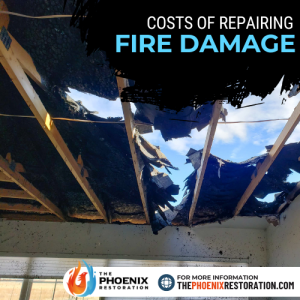
Repair costs can also add up quickly. Even small fires often cause extensive smoke damage, requiring significant cleaning and restoration. This additional cost further devalues the property.
Weighing the Cost of Repairs Against Devaluation
Often, sellers grapple with the decision of whether to make all necessary repairs before selling or sell the property as-is at a lower price.
Disclosing the Repair History
Buyers need to know full details about the restoration that has been performed on the property. Detailing the quality and extent of the repairs can provide some reassurance to prospective buyers, which could lead to an increase in the asking price.
Backing Up Claims with Receipts or Professional Evaluations
Keep records of all repairs and provide them to prospective buyers. Receipts and evaluations from professional contractors will give your claims a sound basis.
Effect of High-Quality Repairs on Home Value
Home buyers are bound to appreciate high-quality repairs, showing that the property was adequately taken care of despite the unfortunate incident. This may somewhat counteract the devaluation caused by the fire.
Discussing Fire Damage During Home Viewings
Discussing fire damage with potential homebuyers requires some finesse. Tips for discussing fire damage include speaking honestly, sticking to the facts, pointing out the positives, and sympathetically answering your prospective buyer’s queries.
Avoiding Scare Tactics While Discussing Fire Damage
Avoid over-dramatizing the fire damage or using it as a ploy to elicit a quick buy. It might backfire and give the impression that the damage is far worse than it is.
Using Disclosure to Build Trust
How you handle disclosing fire damage can also tell potential buyers a lot about you. It can build trust and reassure them that they’re dealing with an honest seller if handled correctly.
Buyer’s Response to Disclosure of Fire Damage
Buyers react predictably when notified of fire damage. Prospective buyers are understandably skeptical about purchasing properties that have experienced a fire, fearing the potential of hidden problems.
Use of Inspection Contingencies by Buyers
Most will likely request an independent inspection, even if you’ve already had the property professionally inspected or not, just a natural desire for a second opinion.
Negotiating the Price After Disclosure
Once buyers are aware of the fire history, they will likely negotiate the price downwards, reflecting the perceived risk and the cost of potential repairs or adjustments they might have to make.
Finalizing the Deal Despite Fire Damage

Despite the challenges, honesty continues to be the best policy. Despite the initial hesitation that comes with disclosing fire damage, transparency can pave the way to a smoother transaction overall.
How to Work with an Apprehensive Buyer
If a buyer is understandably apprehensive, reassure them with copies of the professional assessment report and repair receipts and show them that you’re open to more independent assessments if they require them.
Ensuring a Smooth Sales Process Post-Disclosure
By fully reporting fire damage and being transparent about repairs, you’re less likely to face legal action post-sale. Essentially, honestly disclosing fire damage aids in protecting both parties involved in the transaction—buyer and seller alike.
Conclusion: The Importance of Honest Disclosure
It’s a legal and ethical obligation that can save you from future troubles. The potential consequences of failing to disclose fire damage are significant, ranging from legal action to losing your reputation as a seller.
Navigating the sale of a fire-damaged home might be daunting. Still, transparency, proper documentation, and professional guidance can help maximize your sales while ensuring buyers feel confident in their decisions.
Always remember that honesty protects you legally and promotes a healthier and more trusting real estate environment for everyone involved. In conclusion, do you have to disclose fire damage when selling a house? Yes, you absolutely must!