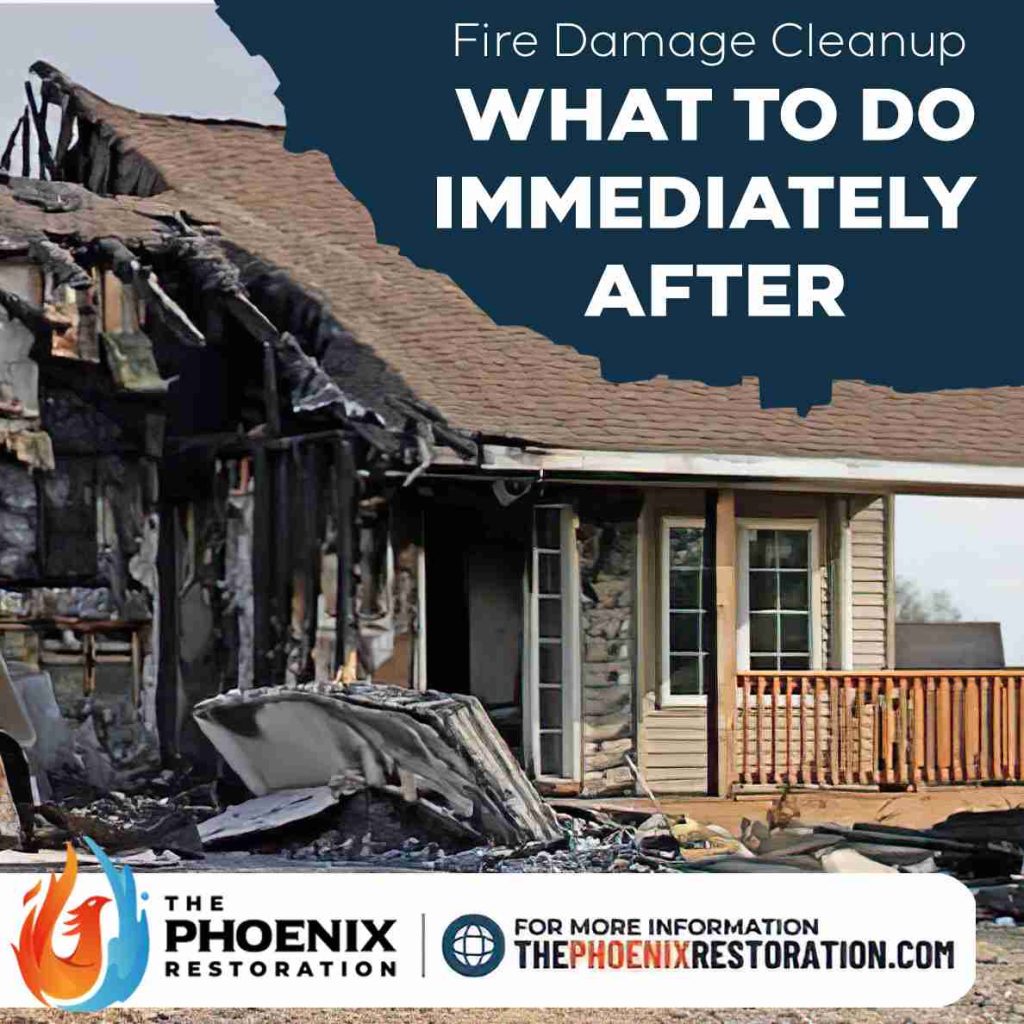
Have you ever walked into your home after a fire and wondered, Where do I even begin? The chaos, the burnt smell lingering in the air, and the visual shock of charred belongings can be overwhelming. Whether it’s a small kitchen fire or more extensive electrical fire damage cleanup, knowing what steps to take immediately after the flames are out is critical—not just for your safety, but for minimizing long-term damage.
In this guide, we’ll walk you through exactly what to do in the crucial moments and days following a house fire. From securing your property to handling the emotional toll, each section is designed to help you regain control and begin the journey of restoration with confidence.
If you’re searching for answers like how to handle residential fire cleanup or what to do about that persistent burnt smell, you’re in the right place. This isn’t just about cleanup—it’s about clarity, safety, and getting your life back on track, step by step.
Let’s take that first step together.
Assessing the Immediate Aftermath
The moments right after a house fire are a blur of emotions—shock, confusion, and fear. You may find yourself staring at smoke-damaged walls, wondering what’s safe to touch, or whether it’s even okay to re-enter. So, what should you really do in those first critical hours?
Before anything else, your safety comes first. Fires can leave behind more than just visible destruction. Hidden dangers like structural instability, lingering smoke, and electrical hazards may still be present. Here’s how to navigate those first steps with clarity and caution:

1. Prioritize Personal Safety
Ask yourself: Is it truly safe to go back in?
Even if the flames are out, risks remain.
- Wait for clearance from fire officials or emergency services before re-entering.
- If you’re dealing with an electrical fire, don’t turn anything back on until a professional inspects the area.
- Wear protective gear—gloves, masks, sturdy shoes—if you must go inside.
2. Contact Emergency Support Services
Quick communication is key.
- Call emergency fire cleanup professionals—they’re trained to handle post-fire hazards and can provide guidance on what to do next.
- If the situation involves significant destruction, request board up services to prevent weather damage or looting.
3. Document the Damage
It might feel counterintuitive when you’re overwhelmed, but taking photos or videos now is essential.
- Focus on visible fire damage, including smoke stains, collapsed areas, and water-drenched possessions.
These records will be vital when you begin the fire damage assessment with your insurance company or cleanup team.
4. Know What Not to Do
Sometimes, what you avoid doing matters just as much as what you do.
- Don’t attempt house fire cleanup alone—especially if you’re unsure about the safety of your surroundings.
- Avoid turning on electronics, flipping switches, or using the HVAC system, which can spread contaminants.
Taking these early steps not only ensures your safety—it sets the stage for a more efficient and effective cleanup process. Whether it’s a minor kitchen mishap or a full-scale fire, approaching the aftermath with a calm, strategic mindset can make all the difference.
And remember, you’re not alone. The right help—whether from local fire cleanup experts or restoration pros—is just a call away.
Notifying the Right People
Once the initial shock has settled and safety is under control, one pressing question often arises: Who should I call first? The truth is, what you do—and who you notify—in the hours following a fire can significantly impact your recovery timeline and financial protection. Communication isn’t just important; it’s essential.
Let’s break down who needs to know, and why timing matters so much.

1. Your Insurance Company
This should be one of your first calls. Fire damage claims often hinge on early documentation and prompt reporting.
- Provide a summary of the damage and your current situation.
- Ask what steps are required to begin your fire damage assessment.
- Be sure to mention whether the fire originated from specific sources, such as a kitchen fire or an electrical fire, as it can influence coverage details.
Pro Tip: Keep a log of every call, name, date, and conversation summary. It will help if discrepancies arise later.
2. Property Stakeholders
Depending on your situation, others may need to be in the loop too.
- Renters: Contact your landlord or property manager immediately. They need to assess structural damage and initiate building repairs.
- Business owners: If your building suffered a commercial fire, notify partners, vendors, and clients as needed. Transparency maintains trust.
3. Fire Damage Professionals
Don’t wait to bring in the experts.
- Search for fire restoration near me to find reputable local specialists.
- Confirm whether they offer emergency fire cleanup, especially if smoke, soot, or fire extinguisher residue cleanup is needed.
- Choose teams experienced in your specific scenario—whether it’s residential fire cleanup or something more complex.
4. Utility Companies
Fire often damages more than walls—it can wreak havoc on power lines, gas pipes, and water systems.
- Contact electricity, gas, and water providers to report the incident.
- Request a temporary shutoff if it hasn’t already been done.
- Ask if an inspection is needed before restoring service.
By reaching out to the right people promptly, you streamline your cleanup efforts and avoid costly missteps. Plus, with trained professionals on your side, you’ll feel far less alone as you move forward.
Timely, clear communication isn’t just about ticking boxes—it’s a powerful step toward taking back control.
Preventing Further Damage
You’ve taken the first steps. You’re safe. The right people have been contacted. Now comes a crucial but often overlooked part of the process: protecting your property from further damage. Fire may have stopped burning, but its impact continues unless you act fast.
So, what can you do right now to keep the situation from getting worse?
1. Secure the Property Immediately
A damaged home is vulnerable—not just to the elements, but to unwanted visitors, too.
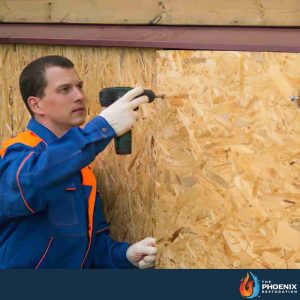
- Board up services for fire-damaged areas are essential. Cover broken windows, shattered doors, and large wall openings to keep out rain, debris, and intruders.
- If your roof is compromised, ask professionals to tarp over exposed sections to prevent water damage and mold growth.
This isn’t just a safety move—it can also strengthen your case with insurance by showing you took action to prevent additional loss.
2. Shut Off Utilities If You Haven’t Already
Don’t assume everything is under control just because the fire is out.
- Turn off gas, water, and electricity until a certified technician inspects them. Fires—especially electrical fire damage—can weaken systems in hidden ways.
- If you’re unsure how to do this safely, your local emergency fire cleanup team can assist.
3. Remove or Protect Undamaged Belongings
Time is of the essence here.
- Salvage what you can—but only once it’s safe to enter. Move valuables, documents, and electronics to a clean, dry space.
- Items left inside may suffer smoke-damaged walls cleanup fallout, or absorb soot and moisture from firefighting efforts.
Even if things look “okay,” lingering smoke can ruin items over time. Act quickly to minimize secondary damage.
4. Avoid DIY Cleanup (For Now)
It’s tempting to jump in with gloves and garbage bags. But fire residue isn’t like regular dirt—and improper handling can do more harm than good.
- Soot and fire extinguisher residue cleanup often require special chemicals and equipment.
You could accidentally smear toxic ash deeper into surfaces or create health hazards without realizing it.
Protecting your home post-fire isn’t just about saving what’s left—it’s about setting the stage for a smoother, safer recovery. Taking smart, strategic steps now can prevent thousands of dollars in avoidable damage down the line.
When in doubt, rely on local fire cleanup professionals who know exactly how to handle these challenges. You’ve come this far—don’t let preventable damage take an even bigger toll.
Initial Cleanup and Safety Measures

So you’ve secured the property, the professionals are on their way—or maybe already on site—and now you’re asking, What can I safely start doing myself? While full restoration is a job for the experts, there are a few crucial cleanup and safety steps you can take in the early stages to protect your health, your belongings, and your peace of mind.
Let’s walk through what’s safe to handle—and what’s better left alone.
1. Suit Up: Safety Comes First
Before touching anything, ask yourself: Am I properly protected?
Fires leave behind more than debris. Soot, ash, and chemical residues from fire extinguishers can be harmful if inhaled or touched.
- Wear N95 masks, heavy-duty gloves, and long sleeves to reduce exposure.
- Eye protection is also a smart choice, especially if you’re dealing with fine ash or burnt smell removal efforts.
2. Air It Out
The lingering smoke and chemical smell isn’t just unpleasant—it can be harmful.
- Open windows and doors to create airflow.
- Use fans near openings to push smoke outside.
- If the HVAC system was running during the fire, keep it off to avoid spreading contaminants through the ducts.
Pro Tip: Placing bowls of vinegar or baking soda around the house can help absorb residual odors in the short term.
3. Remove What You Can
Not everything is a total loss—but time matters.
- Start with items that are clearly unaffected or lightly touched by smoke.
- Focus on personal essentials: documents, jewelry, electronics, and irreplaceable keepsakes.
If you’re dealing with kitchen fire cleanup, inspect cabinets, utensils, and food items carefully—smoke and soot can be toxic.
4. Avoid Cleaning Walls or Ceilings
This might sound surprising, but stop yourself before reaching for a sponge.
- Smoke damaged walls cleanup requires professional methods. Scrubbing can embed soot deeper or damage paint and drywall.
- The same goes for ceilings—residues may be acidic and need specialized treatment.
5. Leave Specialized Cleaning to Pros
From fire extinguisher residue to charred structural materials, certain tasks aren’t safe or effective to DIY.
- Call in a residential fire cleanup team for deeper sanitation and deodorization.
- They have the tools and know-how to fully remove contaminants without spreading them.
Taking action during this phase can make a huge difference in your recovery—but only if it’s done safely. By focusing on what’s manageable and avoiding risky cleanup tasks, you’re not just protecting your property—you’re protecting your health.
The road to restoration is just beginning, but these initial steps help you move forward with confidence, clarity, and a cleaner start.
Professional Restoration and Recovery Steps

Once the immediate chaos has passed, and you’ve handled the first rounds of cleanup, you may be wondering: What’s next? This is the stage where a professional restoration team becomes your greatest ally. They don’t just clean up the mess—they help you rebuild your space, your routines, and your sense of normalcy.
Here’s what to expect during this critical recovery phase, and how to navigate it like a pro.
1. Schedule a Full Fire Damage Assessment
Before any repair work begins, your property needs a thorough evaluation.
- Certified inspectors will check for hidden damage behind walls, under floors, and in HVAC systems.
- Whether you’re facing residential fire cleanup or a more complex scenario like commercial fire cleanup, this assessment sets the blueprint for all future work.
Tip: Ask for a written report. This will be useful for insurance claims and contractor estimates.
2. Understand the Fire Restoration Process
Every fire is different, and so is every cleanup plan.
Most fire damage restoration services follow a multi-step process:
- Inspection & Assessment – Identifying all areas affected by fire, smoke, and water.
- Immediate Board-Up & Roof Tarping – If not already done, this protects the property from further exposure.
- Water Removal & Drying – Essential if the fire was extinguished with hoses or sprinklers.
- Smoke and Soot Removal – Specialized equipment is used to clean surfaces and air.
- Cleaning & Sanitizing – Includes burnt smell removal and treatment of salvageable belongings.
- Reconstruction – Repairing or replacing damaged structures like walls, floors, and ceilings.
3. Get Clear on Costs and Timelines
Transparency is everything during this stage.
- Ask for a written estimate that includes labor, materials, and any subcontractor fees.
- Get a projected timeline and set milestones for progress check-ins.
- If you’re searching for services like fire restoration near me, check for local providers with strong reviews and quick response times.
4. Discuss What Can Be Salvaged
Just because something looks damaged doesn’t mean it’s a total loss.
- Restoration professionals can often save furniture, electronics, and personal items with specialized equipment.
- Prioritize sentimental items—photos, heirlooms, important documents—and discuss their restoration potential early.
5. Plan for the Unexpected
Even with a solid plan, fire recovery can be unpredictable.
- Structural damage might require permits or inspections.
- Hidden issues like mold or asbestos may arise during demolition.
- Set aside a contingency budget and prepare for temporary housing if needed.
Bringing in the right restoration team isn’t just about fixing a house—it’s about reclaiming your space and your peace of mind. With a clear process, realistic expectations, and expert help, you’ll go from devastation to restoration with confidence.
When the road ahead feels long, remember: every step you take is one step closer to home.
Coping Emotionally and Rebuilding Confidence

Recovering from a fire isn’t just about repairing walls or removing smoke—it’s about healing emotionally, too. Whether it was a small chimney fire or a devastating house-wide event, the emotional toll can be just as lasting as the physical damage. So how do you begin to process everything and rebuild your sense of safety and stability?
You’re not alone in asking that question—and you don’t have to navigate it alone, either.
1. Acknowledge the Emotional Impact
Fire disrupts more than your home; it shakes your entire sense of normalcy.
- It’s perfectly normal to feel overwhelmed, angry, anxious, or even numb.
- You may be mourning the loss of irreplaceable items or feeling unsettled by the sudden loss of control.
Recognizing those feelings is not weakness—it’s part of the healing process.
2. Lean on a Support System
You may be tempted to “power through,” but this isn’t a time to go it alone.
- Talk to family, friends, or neighbors who understand what you’ve been through.
- Community organizations or local churches can offer temporary housing, meals, or emotional support.
Some local fire cleanup services also offer resources for emotional recovery and counseling referrals.
3. Take Small Steps Toward Routine
Reclaiming your routine—even in tiny ways—can help rebuild confidence.
- Re-establish daily rituals: morning coffee, evening walks, phone calls with loved ones.
- If you’re temporarily displaced, set up a familiar “home base” with photos or personal comforts.
The return of small habits can feel like big victories in times of instability.
4. Involve Yourself in the Restoration Process
Taking part in the rebuilding can restore your sense of agency.
- Work closely with your residential fire cleanup team to understand the progress.
- Choose paint colors, furniture, or design details when you’re ready—it helps the space feel like yours again.
Keep a recovery journal to track milestones, from small wins to major rebuilds.
5. Know When to Ask for Professional Help
Sometimes, the emotional damage goes deeper than you can handle alone.
- Watch for signs of lingering trauma: insomnia, panic attacks, depression, or withdrawal.
- Don’t hesitate to reach out to a licensed counselor or mental health specialist.
- Many insurance policies may cover therapy under disaster recovery benefits—ask your provider.
Conclusion
Fire may take things from you, but it doesn’t define you. Through support, self-awareness, and time, you’ll not only rebuild your home—you’ll rebuild your confidence, too.
This phase isn’t just about surviving. It’s about reclaiming your story. And you have the strength to do just that—one step, one day, one breath at a time.
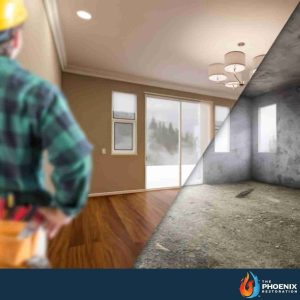
Facing the aftermath of a fire can feel overwhelming, but remember—you don’t have to face it alone. From the initial steps of house fire cleanup to working with trusted fire restoration near me experts, every action you take moves you closer to reclaiming your home and peace of mind. Have you thought about how crucial it is to act quickly and thoughtfully, not just for the physical repair but for your safety and emotional well-being?
By prioritizing safety, reaching out to the right professionals, and taking care of both your property and yourself, you lay a strong foundation for recovery. Whether it’s removing that stubborn burnt smell or dealing with complex smoke damaged walls cleanup, each task is part of a bigger journey toward restoration.
So, what’s your next step? Take a breath, make the calls you need, and know that with the right support, this chapter is not an end—but a new beginning. Your home, your life, and your resilience are worth every effort.