When a fire strikes your home or business, the aftermath can feel overwhelming. You’re left staring at soot-covered walls, breathing in lingering smoke odors, and wondering where to even begin. Do you call a contractor? A cleaning crew? Or a specialized fire remediation team?
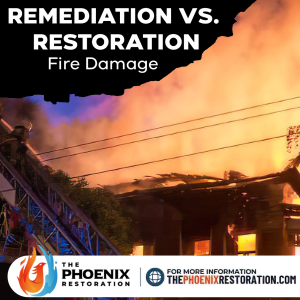
Understanding the difference between fire damage remediation and restoration is the first—and most important—step in reclaiming your space. These aren’t just industry buzzwords; they represent two distinct phases in the recovery process. Whether you’re dealing with residential fire remediation after a kitchen blaze or commercial fire remediation following an electrical fault, knowing who to call and when can save you time, money, and unnecessary stress.
In this blog, we’ll break down the core differences between remediation and restoration, explore what each process entails, and help you determine which services are right for your situation. We’ll also touch on specialized solutions like smoke odor remediation and soot removal, offering a clear path forward whether you’re facing minor damage or a major structural cleanup.
Let’s walk through the smoke and debris—together—so you can confidently move toward recovery.
1. Understanding the Basics of Fire Damage
Experiencing a fire—no matter the scale—can shake your sense of safety and stability. But before you can begin rebuilding, it’s crucial to understand what fire damage truly involves. What exactly happens to a structure when flames take over? And why does the aftermath often look worse than the fire itself?
Let’s unpack the fundamentals, so you can make more informed decisions when the time comes to take action.
What Constitutes Fire Damage?
Fire damage isn’t just about what the flames touch. It’s a combination of several destructive elements, including:
- Heat: High temperatures can warp, melt, or crack structural components, appliances, and finishes.
- Flames: Direct contact with fire can burn materials beyond recognition, leading to burnt material remediation needs.
- Smoke and Soot: These byproducts travel fast and far, leaving behind greasy, acidic residues on every surface.
- Water: Ironically, putting out the fire often leads to water damage from fire remediation, especially in large-scale emergencies.
Each of these elements requires a different remediation strategy—and if left unaddressed, can create long-term risks to health and property.
Immediate and Long-Term Effects on Property
You might be surprised by how widespread fire damage can be—even in areas where flames never reached. Here’s what typically happens:
- Visible Damage: Burnt walls, melted fixtures, and charred wood may be immediately obvious.
- Invisible Damage: Smoke can infiltrate insulation, crawlspaces, and even HVAC systems, requiring HVAC system remediation after fire.
- Structural Instability: Load-bearing elements can be compromised, necessitating thorough structural fire remediation.
- Lingering Odors: If you’ve ever walked into a room after a fire, you know the smoke smell remediation challenge is real.
The key takeaway? Fire damage is multi-layered—and missing even one layer can impact the safety and livability of your space.
⚖️ Severity Levels: Not All Fires Are the Same
Fires range in intensity, and so does the damage. From a minor stovetop incident to a full-scale electrical fire, the type of blaze will determine the type of response needed.
- Small-Scale Fires (e.g., minor kitchen fires): May require surface-level cleanup and targeted soot removal and remediation.
- Moderate Fires: Often involve content cleaning fire remediation, where personal belongings and soft goods are restored.
Major Fires: Could call for emergency measures including fire debris removal remediation and structural assessments.
✅ Why Early Assessment Matters
Before any meaningful remediation or restoration can happen, a fire damage assessment is critical. This initial evaluation identifies safety hazards, estimates costs, and sets the stage for recovery.
Think of it as your roadmap—because without one, you’re essentially navigating a disaster blindfolded.
Understanding fire damage is the first empowering step toward reclaiming your home or business. In the next section, we’ll take a closer look at fire damage remediation, the immediate actions needed to stabilize and secure your space.
2. What is Fire Damage Remediation?
After a fire, the instinct is often to start repairing what’s been lost—but hold that thought. Before any rebuilding can happen, there’s a crucial first step: fire damage remediation.
So, what exactly is remediation, and why is it the foundation of a safe recovery process?
Remediation Defined: What It Really Means
Remediation is all about stabilizing your property, removing hazardous materials, and preventing further damage. It’s the urgent, technical work that happens before restoration begins.
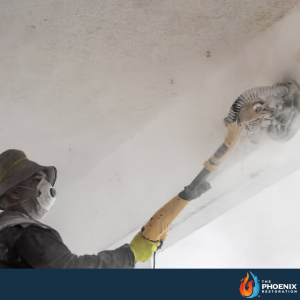
Think of it as damage control—literally.
You’re not repainting walls or replacing furniture just yet. Instead, you’re:
- Removing harmful soot and debris
- Decontaminating the air and surfaces
- Stopping the spread of odors and mold
- Addressing any water damage left from firefighting efforts
Without proper remediation, any restoration work is just a temporary fix.
The Core Objectives of Fire Remediation
Fire remediation focuses on making your space safe, breathable, and structurally sound. This means dealing with immediate threats like:
- Soot removal and remediation: Soot is acidic and can continue damaging surfaces if left untouched.
- Smoke odor remediation: Lingering odors aren’t just unpleasant—they can signal unseen contamination.
- Fire debris removal remediation: Burnt materials and ash must be safely cleared before any rebuild begins.
- Water damage from fire remediation: Yes, even water can pose a problem, especially if it leads to mold or rot.
These tasks must be done with care and speed—which is why emergency fire remediation services exist.
When Should Remediation Begin?
Timing is everything.
The earlier remediation starts, the better the outcome. Delaying even a few days can allow corrosive soot and moisture to cause permanent damage.
Here’s a general timeline:
- Within 24–48 Hours: Contact local fire remediation services near you to begin assessment and hazard removal.
- Days 2–5: Teams begin air purification, soot cleanup, and moisture extraction.
- After Initial Cleanup: The transition into full restoration planning can begin.
So if you’re wondering, “Should I wait until the insurance company visits?”—the answer is no. Call in a residential fire remediation or commercial fire remediation team as soon as it’s safe.
Tools and Techniques Professionals Use
Professional fire remediation teams bring more than mops and vacuums. They use specialized tools and methods to ensure deep, effective cleaning:
- HEPA vacuums for fine soot particles
- Ozone machines and hydroxyl generators for odor elimination
- Industrial dehumidifiers for water removal
- Sealing agents to contain and neutralize contaminants
Each of these steps supports the goal of returning your environment to a pre-loss condition—or better.
Why You Shouldn’t DIY This
We get it—you want to jump in and help. But fire remediation isn’t a DIY job. There are health risks, hidden hazards, and specialized skills involved.
Trying to handle things on your own could:
- Spread soot and smoke particles further
- Miss hidden moisture or mold issues
- Jeopardize your insurance claim
Leave it to trained professionals with the tools and certifications to do it right.
Fire remediation is your first step toward normalcy. It’s what makes your home or business livable again—and sets the stage for true restoration. In the next section, we’ll explore what that restoration process actually looks like, and how it picks up where remediation leaves off.
3. What is Fire Damage Restoration?
Once your space has been stabilized and the immediate threats cleared, the next chapter begins: fire damage restoration. This is the part most people look forward to—the transformation from damage and disruption to comfort and normalcy.
But restoration isn’t just about aesthetics. It’s a meticulous, multi-phase process that ensures your home or business is not only beautiful again but safe, functional, and structurally sound.
️ What Does Fire Restoration Actually Involve?
Fire restoration picks up where remediation ends. While remediation addresses the aftermath of fire—smoke, soot, and water—restoration is all about rebuilding and repairing.
Here’s what the process typically includes:
- Structural repairs (e.g., framing, drywall, roofing)
- Surface restoration (walls, flooring, ceilings)
- Electrical and HVAC checks (especially after electrical fire remediation)
- Appliance replacement or repair
- Interior finishes (paint, cabinetry, fixtures)
In some cases, restoration teams also help with kitchen fire remediation and chimney fire remediation, where both damage and code compliance are critical.
Restoration vs. Remodeling: Not the Same Thing
Here’s a common misunderstanding: restoration is not the same as renovation or remodeling.
- Restoration aims to return your space to its pre-fire condition—preserving its original layout and purpose.
- Remodeling involves design changes and upgrades, which often happen later (and at your own expense).
Restoration work may feel invisible when done right, but it’s what makes a fire-damaged property safe to occupy again.
Materials and Techniques Used in Restoration
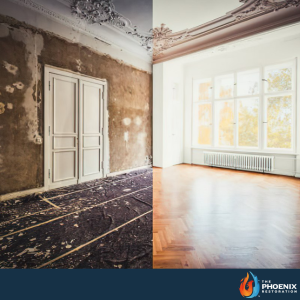
Professionals don’t just rebuild—they use materials and strategies designed to improve resilience against future incidents.
Expect methods like:
- Fire-resistant insulation and drywall
- Smoke-sealing paints and coatings
- Replacement of charred wood with treated lumber
- Sanitization of HVAC systems if not already addressed during HVAC system remediation after fire
These upgrades often meet or exceed current building codes, offering greater peace of mind.
⏱️ How Long Does Fire Restoration Take?
Every situation is different, but here’s a rough guide:
- Minor damage (1–3 weeks): Includes surface repairs and small-area restoration.
- Moderate damage (3–6 weeks): Might involve partial reconstruction and systems testing.
- Severe damage (6+ weeks): Often requires full rebuilds, inspections, and deep structural work.
A full-service team will provide a timeline and keep you updated at each step—because we know waiting in limbo is frustrating.
Insurance, Budgeting, and What to Expect
Most fire restoration projects are covered under homeowners’ or commercial property insurance. That said, here’s what you should know:
- Document everything—from the moment the fire is out
- Work with a contractor experienced in business fire remediation or house fire restoration
- Ask if they offer direct billing to insurance providers
- Clarify what’s covered (structural vs. cosmetic, temporary housing, etc.)
Restoration doesn’t have to break the bank—but it does require careful coordination between property owners, insurers, and licensed professionals.
With the restoration phase, your space begins to feel like home—or a productive business environment—once again. In the next section, we’ll dive into how remediation and restoration differ, and why choosing the right service at the right time can make or break your recovery.
4. Key Differences Between Remediation and Restoration
If you’ve made it this far, one thing is probably clear: fire recovery isn’t a one-size-fits-all process. But how do you know whether you need fire damage remediation, restoration, or both? And what truly sets them apart?
Let’s clear the smoke with a breakdown of the key differences that could make or break your recovery timeline, budget, and peace of mind.
Purpose and Timing: Prevention vs. Rebuilding
The biggest difference? It comes down to when and why each process happens.
- Remediation is immediate. It’s your first line of defense—focused on emergency fire remediation, removing hazards like soot, smoke, and debris.
- Restoration comes later. Once your space is clean and stable, restoration focuses on rebuilding and repairing everything that was lost or damaged.
Think of remediation as stopping the bleeding. Restoration is the surgery and recovery. Both are vital—but they serve completely different purposes.
Different Skill Sets, Different Pros
You might assume a single team handles everything. But in reality, these are two specialized services often performed by different experts.
Fire Remediation Specialists Typically Handle:
- Soot removal and remediation
- Smoke odor remediation
- Fire debris removal remediation
- Moisture extraction and HVAC system remediation after fire
Fire Restoration Contractors Typically Handle:
- Structural repair and code compliance
- Interior and exterior reconstruction
- Electrical fire remediation and safety checks
- Cosmetic repairs and finishing touches
The transition from one team to another needs to be seamless—especially for larger incidents like commercial fire remediation or apartment complexes.
Insurance and Policy Coverage: Know What’s Included
Insurance companies often treat remediation and restoration as separate claims categories. This means understanding what your policy covers is crucial.
Here’s a quick tip:
✅ Most policies require documented proof that you took immediate action—i.e., called in local fire remediation services—to prevent further damage.
Delaying remediation can result in denied claims or reduced coverage for your restoration efforts.
️ Impact on Property Value and Livability
Let’s talk outcomes.
- Without proper remediation, restoration may be compromised by lingering smoke odors, trapped moisture, or unstable materials.
- Without restoration, your space may be clean—but not functional, habitable, or compliant with local codes.
In short, you can’t skip either step if your goal is full recovery.

Understanding the divide between remediation and restoration helps you take decisive action—and avoid costly missteps. In the next section, we’ll show you how to choose the right service at the right time, and why a clear plan can dramatically speed up your recovery process.
5. Choosing the Right Service: Remediation, Restoration—Or Both?
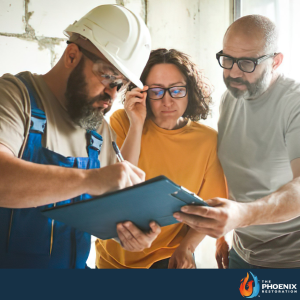
You’ve experienced a fire. The adrenaline fades, and now you’re left wondering: What’s the next best move? Should you start cleaning? Call a contractor? Or get both remediation and restoration services involved?
The truth is, there’s no one-size-fits-all answer. But by understanding your specific situation and recognizing key warning signs, you can make a confident, informed decision that gets your life—and your space—back on track faster.
When You Need Fire Damage Remediation
Remediation is your first step when:
- You smell lingering smoke but aren’t sure where it’s coming from
- There’s soot coating surfaces across rooms—even ones untouched by flames
- The fire department used water to extinguish the fire
- There’s visible debris, charred wood, or burnt materials left behind
- You need fast fire debris removal remediation before re-entry is safe
In these cases, don’t delay. Call in a local fire remediation service immediately. Remediation is about preventing further damage, and time is critical. Especially in cases of apartment fire remediation or residential fire remediation, prompt action can reduce repair costs and health risks.
️ When It’s Time for Fire Damage Restoration
Once your property is stable and clean, it’s time to bring it back to life.
You’re ready for restoration if:
- All hazardous debris and contaminants have been removed
- Moisture and smoke odors are under control (or gone)
- Structural integrity has been professionally assessed
- You’re looking to rebuild damaged walls, floors, or utilities
- You’re navigating larger-scale repairs such as business fire remediation
If you’re unsure, a professional team can often provide a combined inspection and quote for both remediation and restoration services—saving time and reducing coordination headaches.
Can You Do One Without the Other?
Technically, yes. But should you? Probably not.
Skipping remediation may lead to:
- Persistent smoke odor
- Hidden mold from water damage from fire remediation
- Contaminated HVAC systems that recycle smoke and soot
- Voided insurance claims due to inaction
On the flip side, trying to remediate without eventually restoring won’t return your home or business to livable condition.
These services are like puzzle pieces: one stabilizes, the other rebuilds. To fully recover, they work best together.
✅ Pro Tips for Making the Right Call
Here’s how to choose the right path forward:
- Start with a fire damage assessment
A certified team will evaluate the extent of damage and outline a remediation/restoration timeline. - Work with specialists, not general contractors
Especially for issues like smoke odor remediation or HVAC system remediation after fire, experience matters. - Get a written scope of work
It helps you understand what’s covered under each service—and what your insurance will support.
Search local
Look for trusted professionals near you. Use terms like “fire remediation near me” or “licensed fire restoration contractors in [your city]” to find reviews and credentials.
Final Thought: It’s Not About One or the Other
It’s about what your property needs—when it needs it. Choosing the right service isn’t about picking sides. It’s about staging your recovery in the smartest, safest way possible.
In our final section, we’ll recap what you’ve learned and guide you toward taking that all-important first step toward a fully restored space.
Conclusion: Moving Forward with Confidence After Fire Damage
So now you know—fire damage remediation and restoration aren’t just industry jargon. They’re the two essential phases of recovering from one of life’s most devastating events. But knowing what needs to be done is only half the battle. The bigger question is: Are you ready to take the next step?
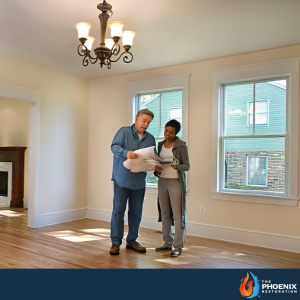
Whether you’ve faced a kitchen fire, an electrical fire, or a full-scale blaze in a commercial property, the path to healing starts with clarity. Clarity about who to call. What to expect. And how to protect your home, business, and well-being in the days ahead.
️ Don’t Wait—Act with Purpose
Every hour after a fire counts. Lingering smoke smells, burnt materials, and moisture can quietly erode what’s left—both structurally and emotionally.
By partnering with a trusted provider of local fire remediation services, you ensure:
- Faster insurance processing
- Healthier indoor air quality
- Reduced risk of long-term structural issues
- Peace of mind knowing the job is done right
And remember, residential fire remediation and business fire remediation aren’t one-size-fits-all. Find a team that understands your property type, your goals, and your timeline.
One Last Question…
What would it mean for you to walk back into your home or business and feel relief, instead of overwhelm?
That moment is possible. With the right guidance and a professional crew by your side, you won’t just recover—you’ll rebuild stronger.
If you’re searching for “fire remediation near me” or just need advice on where to begin, don’t hesitate. The best time to start is now.
You’ve already taken the first step by educating yourself. The next one? Putting what you’ve learned into action—and reclaiming what the fire tried to take.