Knowing how to prevent storm damage in Florida is crucial to protecting your home and property. Living in the Sunshine State means enjoying beautiful weather year-round, but it also comes with the risk of severe storms, especially during hurricane season.
This guide will provide you with essential tips to help safeguard your home against intense weather conditions.
Understanding the Risk and How To Prevent Storm Damage in Florida
Florida’s tropical climate makes it particularly vulnerable to tropical storms and hurricanes. High winds, heavy rain, and flying debris pose significant risks to homes and businesses. With the right preparation, however, you can minimize the impact when a storm hits.
Impacts of Hurricanes and Tropical Storms
The hurricane-force winds and torrential downpours that accompany tropical storms can lead to both wind and water damage.
Tree branches can break, and shallow root systems can cause trees to uproot, resulting in structural damage to roofs and walls. Additionally, flooding from heavy rain can severely damage your home’s foundation, walls, and belongings.
Common Causes of Storm Damage
Storm damage in Florida typically falls into two main categories: wind damage and water damage. Wind can knock down tree branches, uproot trees with shallow root systems, or send debris flying into your home. Meanwhile, water damage often comes from heavy rain, flooding, or even sewage backflow during storms.
Reinforcing Your Home
Protecting your house from storm damage often involves making modifications to strengthen its structure.
Fortifying Your Roof
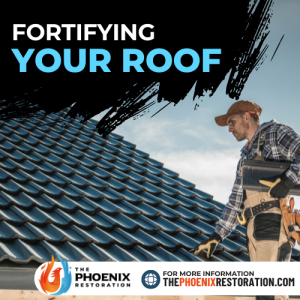
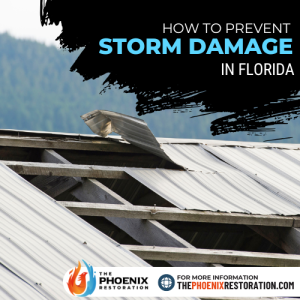
Since the roof is often the most vulnerable part of a house during a storm, reinforcing it is essential. Regularly check that shingles are secure; if any are loose or missing, replace them promptly. A well-fortified roof can make all the difference when enduring hurricane-force winds.
Strengthening Doors and Windows
Ensure your doors and windows are equipped to handle storm conditions. Installing storm shutters and adding extra reinforcement to garage doors and entryways can significantly reduce the risk of damage. Regularly check the seals around your windows to ensure water can’t seep in during heavy rain.
Protecting the Garage
Your garage is another weak spot that requires attention. A reinforced garage door will help keep your home secure, as damaged garage doors can create internal pressure that weakens the structure and could potentially blow off the roof.
Building and Maintaining a Safe Room
A safe room inside your home can provide a high level of protection to you and your loved ones during severe storms. The room should be adequately reinforced, without windows, and should be stocked with necessary supplies such as food, water, and a first aid kit.
Outdoor Preparations
Outdoor preparation plays a significant role in protecting your home from potential damage.
Securing Outdoor Furniture and Decor

Before a storm, secure outdoor furniture, decor, and any items that could become projectiles in hurricane-force winds. Anchoring or bringing these items inside reduces the chances of them causing damage to your home.
Trimming Trees and Shrubs
Regularly trimming tree branches and ensuring that trees with deep roots are well-maintained can prevent trees from falling on your home. Keep in mind that trees with shallow root systems are more prone to uprooting, so it’s important to keep these areas under control, especially during hurricane season.
Installing Hurricane Shutters
Installing hurricane shutters to your windows not only strengthens doors and windows but also protects against flying debris.
Consider Wind-Resistant Landscaping
Wind-resistant landscaping includes using native plants adapted to local conditions, planting trees away from your home, and using mulch that doesn’t easily blow away.
Flooding Preventions
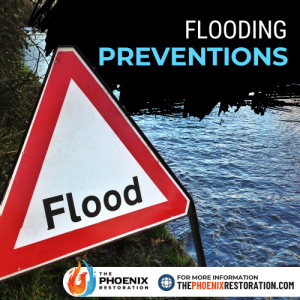
Flooding can be a significant problem during a hurricane, but there are steps you can take to reduce the risk. Consider elevating critical utilities such as electric panels, heaters, and air conditioners to prevent water damage.
Installing Sewage Backflow Valves
Sewage backflow can be a significant problem during heavy rainfall. Installing backflow valves can prevent this unsanitary issue.
Building with Flood-Resistant Materials
If you’re building a new home or renovating an old one, consider using flood-resistant materials such as concrete, stone, or tile.
Insurance Review
It’s crucial to frequently review your insurance policies and make sure you have enough protection. Take the time to fully understand what your homeowners insurance policy does and doesn’t cover when it comes to storm damage.
Considering Flood Insurance
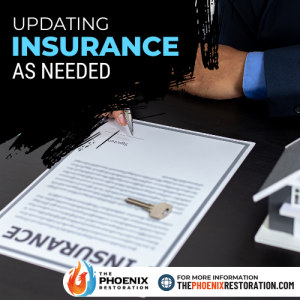
Considering that standard homeowner’s insurance policies don’t typically cover flooding, you may want to invest in flood insurance.
Updating Insurance as Needed
As your life changes, so do your insurance needs. Regardless of storms, be sure to regularly review and update your coverage as needed.
Creating a Disaster Plan
Having a well-thought-out disaster plan can help ensure the safety of your family in case of a storm. A family communication plan will ensure everyone knows how to contact each other and where to meet up in an emergency.
Deciding When to Evacuate
Depending on the severity of the storm, evacuation might be necessary. Stay updated with local news and alerts, and make the decision to evacuate in a timely manner.
Preparing an Emergency Kit
Create a well-stocked emergency kit in a waterproof container that includes non-perishable food, water, flashlights, batteries, personal hygiene items, and essential documents. This kit should be accessible and ready to use during hurricane season.
Keeping Essential Documents Safe
Keep all essential documents, such as birth certificates, passports, and insurance policies, in a safe and easily accessible place.
Maintaining Your Home for Storm Safety
Regular home maintenance goes a long way in safeguarding your home from potential storm damage. Regular home inspections can help you identify potential vulnerabilities in your home’s structure before they become major issues during a storm.
Keeping Gutters Clean
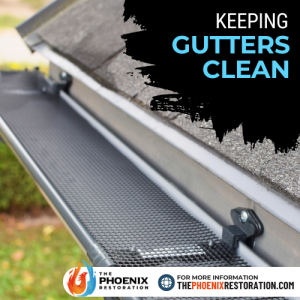
Clogged gutters can cause water to overflow and damage your home’s foundation. Clean your gutters regularly and check for any signs of blockage.
Maintaining Sump Pumps
If you have a basement, maintaining your sump pump system can help prevent flooding and water damage.
Sealing Windows and Doors
Make sure that your windows and doors are well-sealed. This can prevent water from getting into your home during heavy rainfall.
Investing in a Generator
Power outages are common during tropical storms. A generator ensures you’ll have electricity for essential items, like refrigerators, during power outages.
Choosing the Right Generator for Your Home
Generators come in different sizes and capacities. Choose one that can handle your home’s power needs.
Safe Usage of Generators
Use generators in a well-ventilated outdoor area to avoid carbon monoxide poisoning. Refrain from refueling a running generator; ensure you have installed a carbon monoxide detector in your home.
Maintaining Your Generator
Regular maintenance helps ensure that your generator will work when you need it. Keep it clean, check oil levels regularly, and service it as the manufacturer recommends.
Community Awareness and Preparedness
Being aware of your community’s disaster planning can make a huge difference in how you respond to a storm. Join local community meetings and stay informed about your community’s disaster response protocols.
Know your community’s evacuation routes in case of an emergency evacuation. Identify the nearest storm shelters in your area and plan how to get there if necessary.
Taking Care After the Storm
Post-storm recovery can be a difficult time, but there are essential steps to follow for a safe and efficient recovery. Contact a professional restoration company to prevent mold growth and other health and structural damage.
Immediate Safety Measures
Immediately after the storm, ensure everyone’s safety and avoid downed power lines, gas leaks, and other hazards. Protect your property in advance, and store extra batteries and non-perishable food, too.
Assessing and Documenting Damage
As soon as it’s safe to do so, assess and document all damage to your property for insurance purposes. Contact your insurance company as soon as possible to file a claim and start the recovery process.
In summary, storms can pose a substantial risk to your property. But with understanding, preparation, and the right prevention measures, you can significantly reduce the risk and damage associated with storms.
After all, a well-prepared home is a safer home. Knowing how to prevent storm damage in Florida requires a combination of proactive preparation, home reinforcement, and smart landscaping.